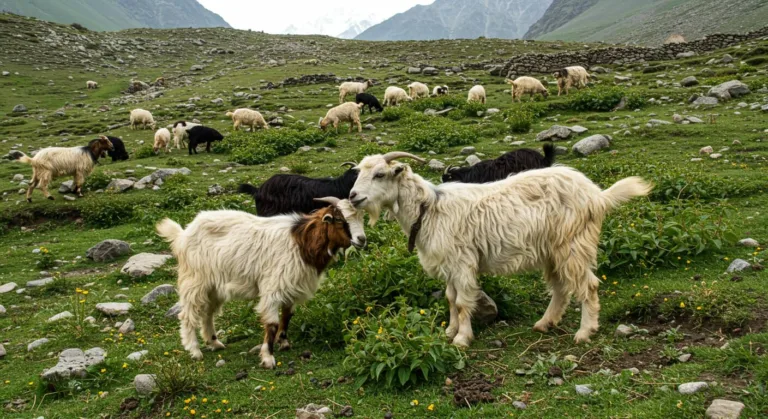
Imagine waking up to the sound of playful bleats echoing across a golden field in Pakistan. Hundreds of goats are scampering around, some munching on fresh grass, others playfully head-butting each other like they’re in a goofy wrestling match. This isn’t just any farm, it’s a bustling goat farm in the heart of Punjab, where kids like you could spend a whole day learning, laughing, and maybe even milking a goat. Welcome to the world of Pakistani goat farming, a mix of hard work, smart animals, and tasty rewards that keeps families fed and happy.
In places like Multan, farms turn dusty lands into lively spots full of energy. Goats here aren’t just pets, they’re superheroes of the farmyard, providing milk, meat, and even leather for shoes and bags. Today, we’ll dive into the breeds that make these farms tick, peek at a farmer’s daily routine, and uncover why goats are such a smart choice in Pakistan. By the end, you’ll see how this simple setup helps people thrive, and you might even dream of starting your own mini-farm someday. Ready to bleat your way through some fun facts?
Pakistan boasts over 80 million goats, more than almost any other country. That’s like having a goat for every kid in your school times a thousand! These farms, especially around sunny Multan, show how raising goats can be both exciting and essential. Let’s jump in and explore.
Meet the Goats: Pakistan’s Furry Farm Stars
Have you ever seen a goat that looks like a fluffy teddy bear? That’s the Teddy goat, one of Pakistan’s favorite breeds. These cuties come from the hills of Balochistan and are prized for their meat. They’re small, with curly fur that keeps them cozy in cooler spots, and they grow fast, which means farmers can sell them sooner. Picture a teddy bear that loves to climb rocks and eat almost anything, from leaves to kitchen scraps, that’s your Teddy goat.
Then there’s the Beetal goat, the gentle giant of the bunch. Originating from the Punjab region, including areas near Multan, these goats are like the basketball players of the farm, tall and strong with long ears that flop like airplane wings. They’re milk machines, producing up to four liters a day, which is enough for a family’s breakfast yogurt or cheese. At farms like Multan Farms, Beetal goats roam in open yards, soaking up the sun while giving farmers a steady supply of creamy milk.
Don’t forget the Kajli goat, tough as nails and built for hot, dry lands. From the Salt Range in Punjab, these goats have black-and-white spots that make them look like speedy race cars. They’re great for meat and can survive on tough scrubby plants that other animals ignore. Did you know? A single Kajli doe can have twins or even triplets every year, turning one goat into a whole team in no time. These breeds aren’t just random, they’re chosen for Pakistan’s varied climates, from deserts to green valleys.
A Day on the Farm: From Dawn Bleats to Sunset Snacks
Ever wondered what it’s like to run a goat farm? Let’s tag along with a farmer at a spot like Barkat Goat Farm in Multan. The day starts early, around 5 a.m., when the sun peeks over the horizon. Farmers check the herd for any signs of sickness, like a limp or a cough, because healthy goats mean happy profits. It’s like being a school nurse for a class of 200 wiggly kids, all needing a quick once-over.
Next comes feeding time, the highlight of the morning. Goats aren’t picky eaters, they’ll chomp on green fodder like berseem grass, mixed with grains and mineral blocks to keep their bones strong. In modern farms, like those using stall feeding, goats stay in comfy pens instead of wandering far. This setup is like giving your pets a cozy bedroom with room service, preventing fights and making milking easier. Farmers mix feeds carefully, adding extras like molasses for energy, so the goats stay plump and productive.
Afternoons bring breeding and playtime. Male goats, called bucks, are matched with females, or does, to grow the herd. It’s a bit like a school dance, but with more nudges and less awkward chatting. Evenings wrap up with milking for dairy breeds, where a farmer squeezes warm milk into buckets, chatting with helpers about the day’s wins. At Multan Farms, this routine turns raw energy into products that feed thousands. It’s tiring, but the fresh air and goat cuddles make it feel like an outdoor adventure.
Why Goats Win the Farm Game in Pakistan
So, why pick goats over cows or chickens? For starters, they’re cheap to start with. A baby goat, or kid, costs way less than a calf, and you can begin with just a few in your backyard. In Pakistan, where land can be tight, goats thrive on scraps and weeds, acting like nature’s lawnmowers. They clear bushes that might start fires or crowd out crops, keeping fields neat without fancy tools.
Goat farming also builds family security. If times get tough, you can sell a goat for quick cash, like trading a video game for school supplies. It’s a safety net, especially in rural spots like Multan, where over half of families rely on livestock. Plus, goats multiply fast, one doe can raise three kids a year, growing your herd like a snowball rolling downhill.
Environmentally, they’re stars too. Goats help improve soil by eating weeds and fertilizing with their droppings, which is like free compost for gardens. In sustainable setups, farmers rotate grazing areas to avoid overeating grass, keeping the land green for years. Compare that to bigger animals that need tons of water, goats sip less and adapt to dry spells, perfect for Pakistan’s hot summers.
From Hooves to Home: Goat Goodies We All Love
What do you get from all this goat magic? First up, milk, a creamy powerhouse packed with protein and easy to digest, unlike some cow milks that upset tummies. In Pakistan, goat milk turns into lassi, a yogurt drink that’s like a cool smoothie on a steamy day, or paneer cheese for spicy curries. At Multan Farms, fresh milk goes straight to local markets, helping kids grow strong bones.
Then there’s meat, known as mutton in dishes like spicy korma or biryani. Goats provide lean cuts that cook fast, perfect for family feasts during Eid celebrations. Imagine the sizzle of grilled chops at a holiday barbecue, that’s goat power in action. One farm can supply enough for a village, turning bleats into belly-fills.
Don’t overlook leather and other perks. Goat hides make soft shoes, bags, and even soccer balls, supporting craftspeople across Pakistan. Their wool from some breeds knits warm scarves, and manure boosts veggie gardens. It’s like a goat gift basket, full of surprises that touch every part of life. Fun analogy: If a farm is a vending machine, goats are the button that spits out snacks, tools, and treats all at once.
Tackling Tricks: Challenges and Smart Fixes on the Farm
No adventure is perfect, and goat farming has its hurdles. Pests like ticks can make goats itchy and sick, so farmers use natural dips or vaccines, like giving your dog a flea bath but with herbs. Hot weather stresses them too, but shady sheds and wet cloths cool them down, turning a sauna into a spa day.
Breeding mix-ups happen if you don’t track family lines, leading to weaker kids. Modern farms fix this with records, like a goat family tree app on paper. In Pakistan, programs from groups like ICARDA teach better ways, boosting milk by 20 percent in some herds. It’s teamwork, with vets visiting like guest coaches to share tips.
Despite bumps, success stories shine. Take rooftop farms in cities, where space is tiny, but goats stack up like Lego blocks, producing milk for urban families. Or community groups in Punjab sharing bucks for better babies. These fixes show goat farming isn’t just surviving, it’s evolving into a clever business.
Wrapping Up the Bleat: Why Goat Farms Matter More Than You Think
From fluffy Teddys to mighty Beetals, Pakistani goat farms like those in Multan blend hard work with heartwarming results. We’ve seen the daily hustle, the breed superstars, the endless benefits, and even the clever ways farmers overcome obstacles. Goats aren’t just animals, they’re bridges to better food, jobs, and healthier lands, feeding millions and fueling dreams in a country full of sunshine and spirit.
Next time you sip a lassi or spot leather shoes, think of the farms behind it all. They remind us how small steps, like caring for a kid goat, can lead to big changes. What about you? If you had a patch of yard, would you start with a curious goat or two, and see what adventures unfold? The farm gate’s always open for dreamers like us.