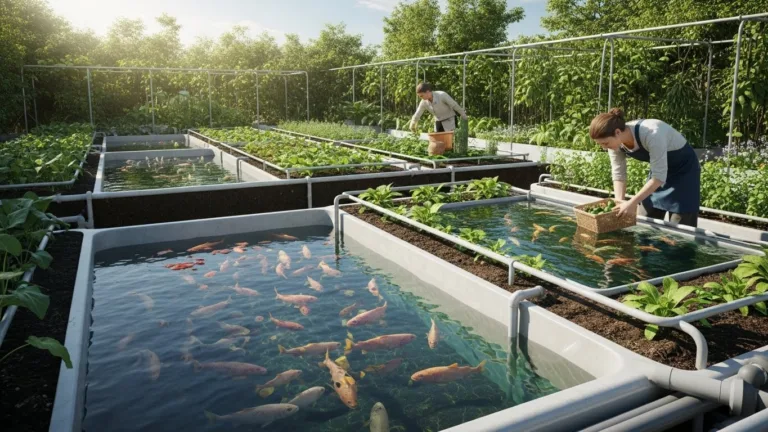
Hey, imagine this: instead of planting tomatoes or carrots in your backyard, you’re raising thousands of shiny fish in a big pool of water, and in just a few months they’re ready to eat or sell. Sounds like something from a video game, right? Nope! It’s totally real, and it’s called fishery farming, or as most people say, fish farming. Let’s dive in (see what I did there?) and discover how people all over the world are growing fish the same way farmers grow crops.
By the time you finish reading, you’ll know exactly what fish farming is, why it’s super important right now, the cool ways people do it, and even some mind-blowing facts that will make you say “Whoa!” out loud. Ready? Let’s go!
Wait, Can You Actually Farm Fish?
Yes, 100%! Fish farming, also called aquaculture, is when people raise fish in controlled places instead of just catching them from rivers, lakes, or the ocean. Think of it like a chicken coop, but for fish. You give them food, clean water, and protection, and they grow big and healthy super fast.
Right now, more than half of the fish and shrimp we eat come from farms, not the wild. That’s wild (okay, I’ll stop with the puns… maybe). In places like China, Norway, and even Pakistan, fish farms are everywhere because they help feed millions of people without emptying the oceans.
Why Do We Even Need Fish Farms?
Here’s the big problem: we love eating fish, but there are way too many fishing boats chasing too few fish in the oceans. Some types of fish, like cod or tuna, are disappearing because we catch them faster than they can have babies. Fish farming is like hitting the “respawn” button for seafood.
Plus, it creates jobs! At Multan Farms, for example, people work every day feeding fish, checking water, and harvesting them when they’re ready. It’s like running a giant underwater pet store, except the “pets” end up as delicious dinners.
Different Ways to Grow Fish (It’s Like Choosing Your Game Level)
Not all fish farms are the same. There are a few cool styles:
- Ponds: The classic one. People dig big ponds, fill them with water, and add baby fish (called fingerlings). It’s the easiest and cheapest way, perfect for villages.
- Cages in lakes or the sea: Giant nets floating in open water. The fish swim inside like they’re in the ocean, but they can’t escape.
- Tanks and raceways: These look like huge swimming pools or long channels with flowing water. Farmers use them for fish that like fast-moving rivers, like trout.
- Recirculating systems (the high-tech ones): The water gets cleaned and reused over and over, almost like a giant fish aquarium that never needs a full water change.
Each method is like picking easy, medium, hard, or expert mode, depending on how much money and tech you have.
What Fish Are the Popular Kids at Fish School?
Not every fish wants to be farmed. The superstars right now are:
- Tilapia – They grow crazy fast (ready in 6-8 months), eat almost anything, and taste awesome grilled.
- Catfish – Tough little guys that can live even if the water isn’t perfect.
- Carp – Huge in Asia; some grow bigger than your little brother!
- Salmon – The fancy one you see in sushi or at nice restaurants. Norway grows tons of these in ocean cages.
- Shrimp – Okay, not a fish, but still grown on farms and totally delicious.
Fun fact: one tilapia mama can lay up to 1,000 eggs at a time. That’s like having a thousand baby brothers and sisters… but as fish.
How Do You Actually Take Care of a Million Fish?
Running a fish farm is like being a superhero for fish. You have to:
- Feed them the right food (usually tiny pellets made from fish meal, soy, or veggies)
- Keep the water clean and full of oxygen (fish hate dirty swimming pools)
- Watch out for bullies – some fish bite each other, so farmers separate the troublemakers
- Protect them from diseases with vaccines or natural plants that work like medicine
At places like Multan Farms, workers check the water every single day, kind of like how you check your phone battery. If something’s off, they fix it fast so the fish stay happy and healthy.
Is Fish Farming Good for the Planet?
This is the tricky part. When it’s done right, yes! It takes pressure off wild oceans, and farmed fish usually need less space than cows or pigs to make the same amount of food.
But when it’s done wrong, it can pollute water or let farmed fish escape and mess with wild ones. The cool news? Scientists and farmers are inventing better ways every year – like feeding fish insects instead of wild-caught fish, or building farms that clean the water for nearby crops.
So, What’s the Future of Growing Your Own Fish?
Picture this: in the future, you might have a mini fish tank in your garage growing dinner while you do homework. Or giant floating farms in the ocean making food for whole cities. Some people are even trying to grow fish meat in labs without the actual fish – like 3D-printing a burger, but for salmon!
Fish farming is already feeding the world, and it’s only going to get bigger, smarter, and greener.
Your Turn to Make Waves!
Now you know the secret behind so much of the fish on your plate. Next time you eat fish sticks, grilled tilapia, or shrimp fried rice, you can smile and think, “Hey, some farmer out there grew these little guys just for me.”
What about you – would you ever want to try raising fish in your own backyard pond? Or maybe visit a real fish farm one day? The ocean (and your dinner) might just thank you for caring. Go out there and tell your friends how we’re basically farming underwater chickens. They’re gonna freak!