Imagine stepping into your backyard and picking fresh tomatoes, crunchy carrots, or spicy green chilies whenever you feel like it. In Pakistan, farmers do exactly that, but they have a secret calendar that tells them exactly when to plant each vegetable so it grows big, tasty, and healthy. It’s like having a video-game schedule where every vegetable has its own perfect season to level up! Want to know when Pakistan turns into a giant vegetable garden? Let’s jump in and explore the vegetable growing season in Pakistan together.
Why Does Pakistan Have Different Growing Seasons Anyway?
Pakistan’s weather is like a roller coaster: super hot summers, freezing winters in the mountains, and two rainy seasons called monsoon. Because the country stretches from snowy peaks to sandy deserts, different areas get different amounts of sun, rain, and cold. That’s why farmers in Multan, Lahore, or Quetta plant the same vegetable at totally different times. It’s nature’s way of saying, “Hey, grow warm-loving plants when it’s hot, and cold-loving ones when it’s chilly!”
The Three Big Seasons Pakistani Farmers Love
Farmers divide the year into three main growing periods, kind of like school terms, but for vegetables:
- Kharif season (summer/monsoon crops) – April to October
- Rabi season (winter crops) – October to March
- Zaid season (short summer extras) – March to June
Each season is like a different level in a farming game with its own superstar vegetables.
Summer Stars: The Kharif Vegetables (April–October)
When the sun is blazing and the monsoon rains arrive, these heat-loving veggies explode with growth:
- Tomatoes – planted in May-June, ready by August
- Okra (bhindi) – loves the heat so much it grows like a weed
- Eggplant (brinjal) – those purple beauties you see in baingan bharta
- Chilies – green ones turn red right on the plant
- Bitter gourd and bottle gourd – they climb fences like jungle vines!
Fun fact: one okra plant can give you fresh bhindi almost every day for months!
Winter Winners: The Rabi Vegetables (October–March)
As soon as the weather cools down, farmers switch to cold-loving crops that taste sweeter after a little frost, just like ice cream tastes better when it’s cold outside.
Here are the cool kids of winter:
- Cauliflower and cabbage – they form giant flower-like heads
- Spinach and fenugreek (methi) – ready in just 30-40 days
- Carrots and radishes – grow underground like hidden treasure
- Peas – sweet pods you can eat straight from the plant
- Turnips and beets – colorful roots that make your plate look like a rainbow
Did you know carrots actually taste sweeter when they grow in cool weather? That’s why winter carrots from Pakistan are extra crunchy and yummy.
Quick Bonus Round: Zaid Season Superheroes (March–June)
This short season is like overtime in a soccer match. Farmers squeeze in fast-growing veggies between the main seasons:
- Cucumbers – ready in just 45-60 days
- Melons and watermelons – perfect for beating the heat
- Pumpkins – start small, end up bigger than your backpack!
How Do Farmers at Multanfarms.com Know Exactly When to Plant?
Experienced farmers watch the sky, feel the soil temperature, and even check the moon sometimes (yes, really!). At places like Multanfarms.com, they use modern tricks too: weather apps, soil tests, and greenhouses to start seedlings early. It’s like having cheat codes for perfect vegetables every single time.
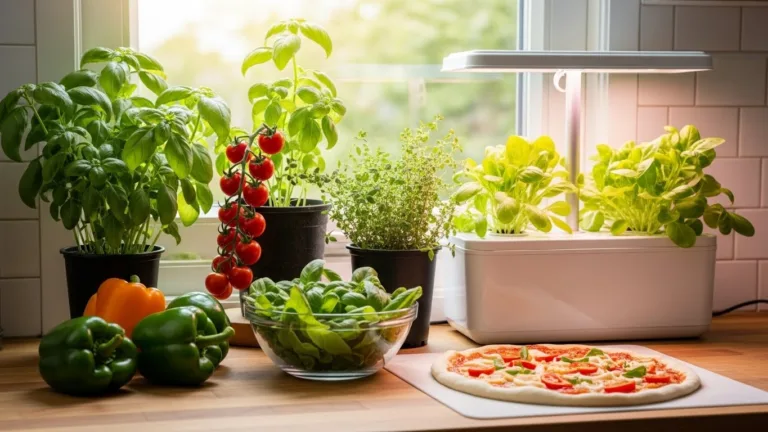
Can You Try This at Home or on Your Balcony?
Totally! Here’s a simple cheat sheet you can use anywhere in Pakistan:
- February-March: plant tomatoes, chilies, and okra seedlings
- September-October: sow spinach, radish, and carrot seeds
- Right now (if you’re reading in summer): throw some cucumber or pumpkin seeds in a pot and watch them race!
All you need is a sunny spot, a pot or patch of soil, and water. Before you know it, you’ll be eating vegetables you grew yourself, talk about bragging rights at school!
Why Knowing the Seasons Makes Everything Taste Better
When vegetables grow in their perfect season, they need fewer chemicals because bugs and diseases don’t like that weather either. That means healthier, tastier food on your plate and more money for farmers. Plus, seasonal veggies are usually cheaper at the market because there’s tons of them!
So next time your mom brings home giant winter cauliflowers or summer tomatoes that smell like sunshine, you’ll know exactly why they taste so good.
Ready to Become a Mini Farmer?
Pakistan’s vegetable calendar is like a treasure map that changes every few months. Whether you live in Karachi, Islamabad, or a village near Multan, there’s always something yummy you can grow right now.
What vegetable are you going to try planting first? Grab a pot, some seeds, and start your own tiny farm today. Your future self (and your taste buds) will thank you!