Have you ever walked into a Pakistani kitchen and smelled something warm, nutty, and completely irresistible coming from the stove? Chances are, besan was involved. This golden flour has been a staple in South Asian cooking for thousands of years, and today it’s catching the attention of food lovers, health enthusiasts, and chefs all around the world.
So what exactly is besan flour called in English? And why is everyone suddenly talking about it? Let’s dig in.
What Is Besan Called in English?
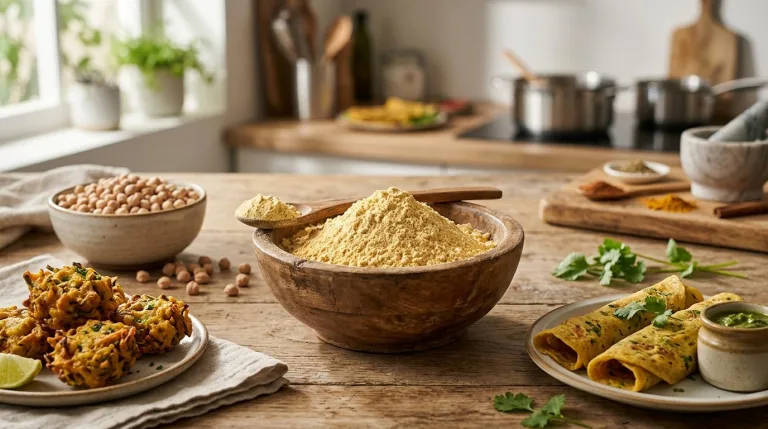
Besan flour goes by two common English names, gram flour and chickpea flour. Both terms refer to the same thing, a fine, yellow flour made by grinding dried chickpeas, specifically a variety called Bengal gram or chana dal. You might also come across the name “garbanzo bean flour” in some Western grocery stores, but gram flour and chickpea flour are the terms you’ll see most often on labels and in recipes.
The word “gram” in gram flour doesn’t refer to a unit of weight. It actually comes from the Portuguese word “grão,” meaning grain or seed. So when you spot gram flour on a package, you’re looking at a name that traces its roots all the way back to ancient trade routes between South Asia and Europe.
Where Does Besan Come From?
Besan has been part of South Asian food culture for over 4,000 years. Archaeological evidence suggests that chickpeas were cultivated during the Indus Valley Civilization, which means the people living in the very region that is now Pakistan were using this ingredient long before recorded history. That’s a pretty impressive legacy for a humble yellow flour.
Pakistan is one of the largest producers and consumers of besan in the world. In cities like Multan, Lahore, and Karachi, besan is not just a kitchen ingredient, it’s a cultural cornerstone woven into festivals, everyday cooking, and even traditional skincare routines. At Multanfarms.com, we celebrate exactly this kind of deep agricultural heritage that has kept Pakistani kitchens rich and nourishing for generations.
How Is Besan Flour Made?
The process of making besan is more straightforward than you might expect. Bengal gram chickpeas are first cleaned and dried thoroughly, then milled into a fine powder using stone grinding or industrial mills, depending on the scale of production.
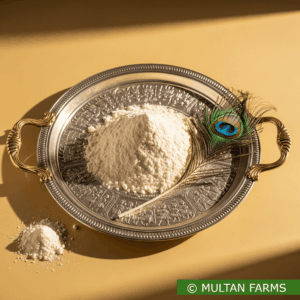
The finer the grind, the smoother the flour, and the better it performs in recipes like pakoras, besan halwa, or ladoo. High-quality besan has a bright yellow color, a slightly nutty aroma, and a texture that feels soft and uniform between your fingers. If your besan smells sour or looks greyish, it has likely gone stale or was poorly processed, so always source it from a trusted supplier.
What Makes Besan Nutritionally Powerful?
Here’s where besan really earns its reputation. Gram flour is packed with plant-based protein, making it an excellent food for vegetarians and anyone looking to add more nutrition to their diet. A 100-gram serving of besan contains roughly 22 grams of protein, which is comparable to many animal-based protein sources, a remarkable number for a simple flour.
Besan is also rich in dietary fiber, which supports healthy digestion and keeps you feeling full for longer. It contains essential minerals like iron, magnesium, and zinc, along with B vitamins that support energy and brain function. Best of all, besan is naturally gluten-free, making it a safe and highly nutritious option for people with gluten intolerance or celiac disease.
The glycemic index of besan is significantly lower than that of regular wheat flour. This means it causes a slower, steadier rise in blood sugar rather than a sharp spike, making it a smart choice for anyone managing their sugar intake or watching their overall health.
How Is Besan Used in Pakistani Cooking?
If you’ve ever enjoyed crispy pakoras at a family gathering or street food stall, you’ve already experienced besan at its finest. That crunchy golden batter coating the vegetables or chicken? That’s gram flour doing exactly what it does best.
Beyond pakoras, besan appears in a remarkable variety of dishes across Pakistani cuisine. Besan ki sabzi is a spiced gram flour curry that’s a comfort food favorite throughout Punjab. Besan halwa is a rich, buttery dessert prepared for celebrations and cold winter mornings. Kadhi, a tangy yogurt-based curry thickened with gram flour dumplings, is loved from Karachi to Peshawar. Even Multan’s famous Sohan Halwa features regional variations that incorporate besan into its dense, sweet base.
Outside the kitchen, besan carries an equally impressive legacy in traditional Pakistani skincare. Mixed with turmeric, yogurt, or rose water, a besan face pack is traditionally used to brighten skin, reduce tan, and keep the complexion naturally smooth. This dual role in cooking and in beauty routines makes besan one of the most versatile natural ingredients in the Pakistani home.
Why Is Besan Flour Gaining Global Popularity?
The rise of plant-based diets, gluten-free lifestyles, and a growing appetite for whole-food cooking has put besan firmly on the global radar. In the United States, the United Kingdom, and across Europe, chickpea flour now lines the shelves of mainstream grocery stores, not just specialty South Asian shops.
Food bloggers and health-conscious cooks are using it to make high-protein pancakes, chickpea pasta, and even gluten-free pizza crusts. Meanwhile, the people of Pakistan have known about besan’s incredible versatility for centuries. What the world is just discovering, we’ve been cooking with all along.
The famous French dish “socca,” a thin, savory crepe from Nice made with chickpea flour, is essentially a cousin of Pakistani besan cheela. Different names, different spices, but the same golden flour at the heart of it, which says a lot about how universal and timeless this ingredient really is.
A Flour That Connects Cultures
Whether you call it besan, gram flour, or chickpea flour, this golden ingredient has proven itself across thousands of years and countless cuisines. It’s nutritious, deeply versatile, naturally gluten-free, and firmly rooted in the food heritage of Pakistan. From the busy kitchens of Multan to health-conscious homes across Europe, besan flour is one of those rare ingredients that simply never goes out of style.
If you want to explore more about authentic Pakistani agricultural products and the natural ingredients that make our food culture so extraordinary, visit Multanfarms.com and discover the goodness that starts right here in the heart of Pakistan.