Have you ever wondered why some places grow the juiciest mangoes or the tallest fields of wheat? It’s not just luck. The secret often lies in the land itself. One interesting example of this is Multan bottom, a special type of land found in the Multan region.
If you’ve visited Multanfarms.com, you probably know that farming in Multan is a big deal. But what makes this area so great for agriculture? In this article, we’ll explore what Multan bottom really means, why it’s so fertile, and how it helps farmers grow the food we all enjoy. Let’s dig in, literally.
Where Is Multan Bottom Located?
Multan is a city in the Punjab region of Pakistan. It’s famous for its hot weather, delicious mangoes, and rich farming traditions. When people talk about Multan bottom, they usually mean the low-lying land near rivers like the Chenab.
The word bottom doesn’t mean something funny. It simply refers to land that sits lower than the surrounding areas. This land often receives water and soil deposits from nearby rivers.
Think of it like pouring muddy water into a bowl. After some time, the mud settles at the bottom. That mud is full of nutrients. River bottom land works the same way. When rivers overflow, they leave behind rich soil that helps plants grow better.
Why Is the Soil So Fertile?
One of the most amazing things about Multan bottom is its fertile soil. Fertile means the soil contains important nutrients that plants need to grow strong and healthy.
Here’s how it happens. Rivers carry tiny pieces of rocks and minerals. During floods or heavy rains, water spreads across nearby land. When the water dries up, it leaves behind nutrient-rich soil.
It’s almost like nature is delivering free plant food. If you’ve ever added compost to a garden and seen plants grow faster, you already understand how this works. Multan bottom gets that natural boost regularly, which makes it perfect for farming.
What Crops Grow in Multan Bottom?
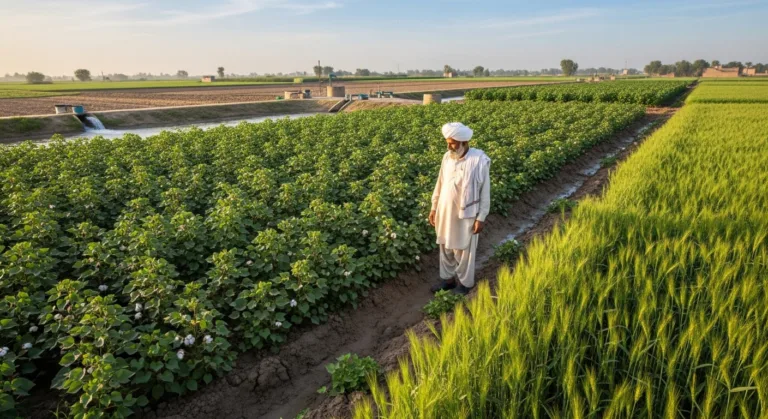
Because the soil is so rich, many crops grow very well in this area. Some common crops include mangoes, wheat, cotton, sugarcane, and different vegetables.
Multan is especially famous for its sweet mangoes. The fertile bottom land gives mango trees the strength to produce juicy and flavorful fruit.
Think of it like baking a cake. If you use fresh and high-quality ingredients, your cake tastes amazing. If you use poor ingredients, the cake won’t turn out good. Crops work the same way. Good soil means better harvests.
How Does Water Help Multan Bottom?
Water is extremely important for farming. In Multan bottom, water is easier to access because the land is close to rivers. Farmers can irrigate their fields more easily and keep crops hydrated during very hot weather.
Multan can become extremely hot during summer. Without proper irrigation, crops would dry up quickly. But bottom land often has better underground moisture.
It’s like having a sponge under the soil that stores water for plants. That extra moisture can protect crops during dry days and improve overall growth.
Are There Any Challenges?
You might be thinking this land sounds perfect. But like everything in life, it has some challenges too.
Because Multan bottom is low-lying, it can sometimes flood. While floods bring fresh nutrients, too much water can damage crops.
Imagine filling a plant pot with water and not letting it drain. The roots would rot. In the same way, if fields remain underwater for too long, crops can be destroyed. Farmers manage this risk by building canals, improving drainage systems, and carefully planning planting seasons. Farming is not just planting seeds, it’s understanding nature.
Why Is Multan Bottom Important for the Economy?
Multan bottom does more than grow crops. It supports the entire community. When farmers produce more crops, markets become active, transport businesses grow, and many people get jobs.
For example, mango farms create work for people who pick, pack, and transport fruit. Wheat supplies flour mills. Cotton supports the textile industry.
It’s like a chain reaction. When the land produces more, the whole region benefits. That’s why this fertile land plays such a big role in the local economy.
Conclusion: Why Should You Care About Multan Bottom?
At first, Multan bottom may just sound like a geographical term. But now you know it’s much more than that. It’s rich land shaped by rivers, filled with nutrients, and perfect for growing important crops.
It feeds families, supports farmers, and strengthens the economy. Even though it faces challenges like flooding, smart farming methods help manage those risks.
Next time you enjoy a sweet mango or see golden wheat fields, think about the land that made it possible. Isn’t it amazing how the soil beneath our feet can shape the lives of so many people?