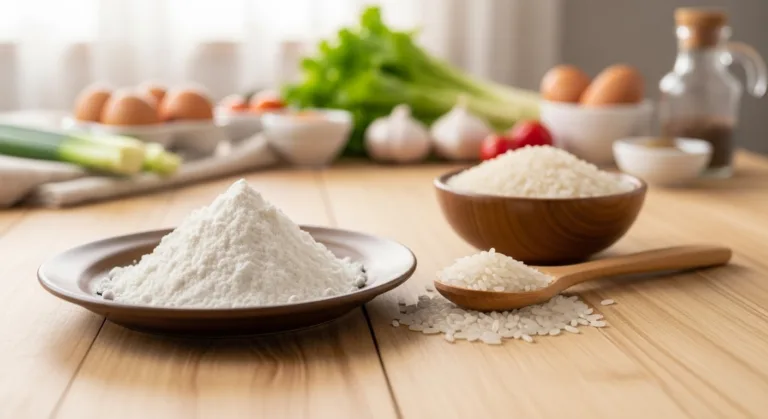
Have you ever noticed those super smooth, delicate noodles in your favorite Asian restaurant? Or maybe you’ve seen someone in your family make incredibly soft rotis that are easier to digest than regular wheat ones? There’s a good chance they used something called chawal ka atta, which is just the Urdu term for rice flour! This powder might look simple, but it’s actually a kitchen superhero with some pretty amazing powers.
Rice flour has been around for thousands of years, and people across Asia have been using it to create everything from crispy snacks to fluffy cakes. But here’s the cool part: rice flour isn’t just popular because it tastes good. It’s also a lifesaver for people who can’t eat wheat, and it’s way easier on your stomach than regular flour. Plus, it’s incredibly versatile, which means you can use it in tons of different recipes!
In this article, we’ll explore what rice flour really is, how it’s made, why it’s becoming super popular around the world, and how you might already be eating it without even knowing! Whether you’re curious about cooking or just want to understand what’s in your food, this is going to be a fun journey into the world of this amazing flour.
What Exactly Is Rice Flour?
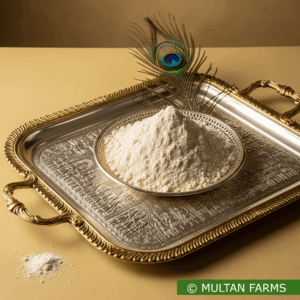
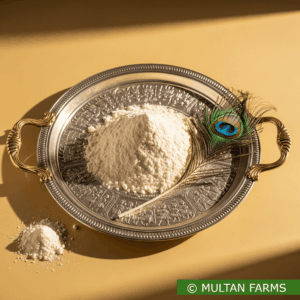
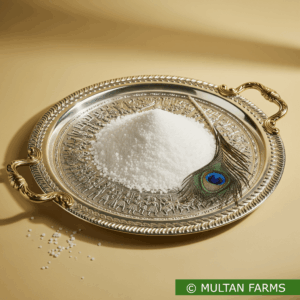
Let’s start with the basics. Rice flour, or chawal ka atta, is exactly what it sounds like: flour made from rice! You know how regular flour comes from grinding wheat? Well, rice flour comes from grinding rice grains into a super fine powder. It’s like turning something crunchy into something soft and powdery, kind of like crushing cookies into crumbs, but way finer.
There are actually different types of rice flour depending on what kind of rice is used. White rice flour comes from regular white rice that you might eat with your meals. It has a mild, slightly sweet taste and is really smooth. Brown rice flour comes from brown rice, which still has its outer layer intact. This makes it more nutritious because it has extra fiber and vitamins, though it has a slightly nuttier taste.
The texture of rice flour is pretty unique. If you touch it, it feels softer and finer than wheat flour. When you cook with it, it behaves differently too. It doesn’t have something called gluten, which is the stretchy protein in wheat that makes bread fluffy and chewy. This means rice flour creates lighter, more delicate foods. Think of gluten like the rubber bands in bread dough, rice flour doesn’t have those rubber bands, so it makes things that are crispy or soft in different ways!
How Is Rice Flour Made?
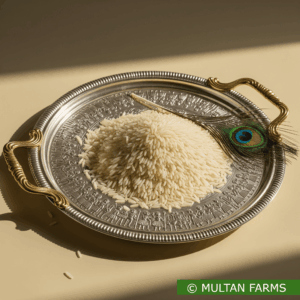
The journey from rice grain to flour is actually pretty fascinating! It starts with regular rice, the same kind you’d see in a rice cooker at home. First, the rice needs to be cleaned really well to remove any dirt, stones, or damaged grains. Nobody wants those in their flour!
Next comes the drying process. The rice is spread out and dried to remove extra moisture. This step is super important because wet rice won’t grind properly. It would just turn into a sticky mess instead of a fine powder. Once the rice is completely dry, it’s ready for the grinding process.
The actual grinding happens in special mills that crush and pulverize the rice grains into an incredibly fine powder. Modern mills use powerful machines that can grind rice to different levels of fineness. Some rice flour is ground so fine that it feels like baby powder! After grinding, the flour is sifted to make sure it’s uniform and doesn’t have any chunks. Finally, it’s packaged and sent to stores or companies like Multanfarms.com that provide quality ingredients to customers.
Why Is Rice Flour So Special?
You might be wondering, “If we already have regular flour, why do we need rice flour?” Great question! Rice flour has some seriously cool benefits that make it stand out from the crowd. Let’s break them down.
First up, it’s gluten-free! Remember how we talked about gluten being like rubber bands in wheat flour? Well, some people’s bodies don’t handle gluten well. They might have something called celiac disease or gluten sensitivity, which means eating gluten makes them feel sick. For these folks, rice flour is like a gift from heaven because they can still enjoy breads, cakes, and other baked goods without getting sick.
Second, rice flour is easier to digest than wheat flour. Your stomach doesn’t have to work as hard to break it down, which is why many people feel lighter after eating rice flour foods. If you’ve ever felt super full and heavy after eating lots of bread or pasta, you know what we’re talking about. Rice flour doesn’t usually cause that same heavy feeling.
Third, it’s incredibly versatile in cooking. You can use rice flour to make crispy coatings for fried foods (think tempura!), smooth sauces and gravies, chewy mochi desserts, delicate crepes, and even traditional rotis. It’s like the Swiss Army knife of flours! Some cultures have been using it for centuries in their traditional recipes, and now the rest of the world is catching on.
Delicious Foods Made with Rice Flour
Now let’s talk about the fun part, all the amazing foods you can make with rice flour! You’ve probably eaten some of these without even realizing they contained chawal ka atta.
Idli and dosa are popular South Indian foods that use rice flour. Idlis are soft, fluffy steamed cakes that are perfect for breakfast, while dosas are crispy, thin crepes that you can fill with all sorts of delicious stuff. Both are made with fermented rice flour batter, which gives them a slightly tangy taste.
Rice noodles are another awesome rice flour creation. These are the transparent or white noodles you see in dishes like pad thai or Vietnamese pho. They’re smooth, slippery, and soak up flavors really well. Unlike wheat noodles, rice noodles have a unique texture that’s lighter and more delicate.
Mochi is a Japanese treat made from rice flour that’s chewy, sweet, and totally addictive. It’s often filled with ice cream or sweet bean paste. The texture is unlike anything else, super soft and stretchy! Then there are rice crackers, which are crispy snacks that come in tons of different flavors. They’re lighter and crunchier than crackers made from wheat.
Even in Pakistani and Indian cooking, rice flour shows up in lots of places. It’s used to make special rotis for people with dietary restrictions, to thicken curries and gravies (it works better than cornstarch!), and to coat vegetables before frying them for extra crispiness.
Rice Flour Around the World
Here’s something cool: rice flour isn’t just popular in one place, it’s used all over the world! In Asian countries like Japan, Thailand, Vietnam, India, and Pakistan, it’s been a kitchen staple for thousands of years. These cultures have developed hundreds of recipes specifically designed for rice flour.
But lately, rice flour has been gaining fans in Western countries too. As more people discover they’re sensitive to gluten, they’re looking for alternatives to wheat flour. Rice flour has become super popular in health food stores and regular supermarkets. You can now find rice flour bread, pizza crusts, cookies, and even pancake mixes in places like the United States and Europe!
Companies like Multanfarms.com recognize how important quality rice flour is to people’s diets and health. They work to provide rice flour that’s pure, finely ground, and perfect for all kinds of cooking and baking. As more people around the world discover the benefits of rice flour, the demand keeps growing!
Cooking with Rice Flour: Tips and Tricks
If you’re thinking about trying to cook with rice flour, here are some helpful tips! Rice flour behaves differently than wheat flour, so you can’t always substitute it directly in recipes. Since it doesn’t have gluten, baked goods made with only rice flour can sometimes be crumbly or dry. Many bakers mix rice flour with other gluten-free flours or add ingredients like eggs or xanthan gum to help things stick together better.
For coating foods before frying, rice flour is actually better than wheat flour! It creates an extra crispy, light coating that stays crunchy. For thickening sauces, use about half as much rice flour as you would use wheat flour because it’s more powerful. And always store your rice flour in an airtight container in a cool, dry place to keep it fresh.
Conclusion: The Flour with Power
So there you have it! Chawal ka atta, or rice flour, is way more than just ground-up rice. It’s a versatile, healthy, and delicious alternative to wheat flour that’s been feeding people for centuries and is now helping folks with dietary restrictions enjoy all kinds of foods they thought they’d have to give up. From crispy pakoras to soft idlis, from chewy mochi to delicate crepes, rice flour can do it all!
Whether you need to avoid gluten, want easier-to-digest foods, or just love trying new recipes, rice flour is definitely worth exploring. Next time you’re at the grocery store or browsing online at places like Multanfarms.com, why not pick up some rice flour and experiment? Who knows, you might discover your new favorite way to cook! Have you ever tried making something with rice flour, or is there a rice flour dish you’ve been wanting to try?