Have you ever noticed how the world seems to transform when autumn arrives? The air feels different, the colors change, and suddenly everyone’s talking about the weather. But here’s something interesting: autumn in Pakistan isn’t quite like the fall season you might see in movies or read about in books set in other countries. It’s a unique blend of comfortable temperatures, cultural celebrations, and agricultural activity that makes it one of the most beloved times of the year.
Pakistan’s autumn season is like nature’s gift after a long, exhausting summer. Imagine spending months under scorching heat, and then suddenly the weather becomes just right, like finding the perfect temperature setting on your air conditioner. This magical transformation typically happens from September through November, and it brings changes that affect everything from what farmers grow to what foods appear on dinner tables across the country. Let’s explore what makes this season so extraordinary in Pakistan!
When Does Autumn Actually Arrive in Pakistan?
The autumn season in Pakistan doesn’t follow a strict calendar date like it might in some Western countries. Instead, it gradually sneaks in, usually starting in late September and lasting through November. Think of it like a slow fade between two songs, where summer doesn’t just end abruptly but gently transitions into cooler, more comfortable weather.
The exact timing can vary depending on where you are in Pakistan. In northern areas like Islamabad and the scenic valleys, autumn arrives a bit earlier and brings crisp, cool air that makes you want to grab a light jacket. Meanwhile, in southern regions like Karachi, the change is more subtle, and the weather stays warmer for longer. It’s like Pakistan experiences autumn in layers, with different parts of the country getting their turn at different times.
One of the coolest things about autumn in Pakistan is how the temperature drops from the extreme summer highs. During summer, temperatures can soar above 40°C (that’s over 104°F!), making it almost unbearable to step outside. But when autumn rolls around, temperatures settle into a comfortable range of 20-30°C (68-86°F), which feels absolutely perfect for outdoor activities.
What Changes Can You See During Pakistan’s Autumn?
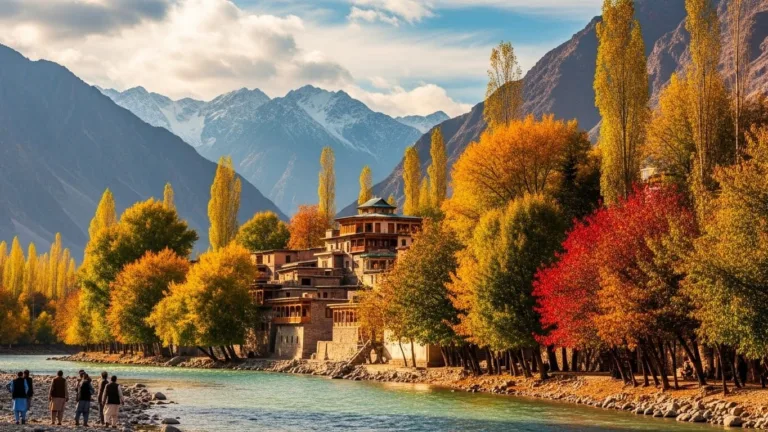
Unlike countries where autumn means leaves turning brilliant shades of red, orange, and gold, Pakistan’s autumn shows itself in different ways. In most urban and agricultural areas, you won’t see the dramatic color changes that happen in places like Canada or New England. However, in the northern mountainous regions, especially in places like Hunza, Skardu, and parts of Kashmir, you can witness spectacular autumn foliage that rivals anywhere in the world.
The real changes during autumn in Pakistan are more about how life feels and functions. The oppressive heat lifts, and suddenly people are spending more time outdoors. Parks fill with families having picnics, cricket matches happen in streets and fields, and evening walks become enjoyable again instead of sweaty ordeals. It’s like the whole country collectively breathes a sigh of relief.
Another visible change happens in the markets and bazaars. Autumn brings a completely different selection of fruits and vegetables. You’ll start seeing pomegranates, guavas, persimmons, and sweet potatoes appearing at fruit stands. The variety of citrus fruits increases, and everyone starts preparing for the winter months ahead by preserving foods and making pickles.
Why Is Autumn So Important for Pakistani Farmers?
Here’s where things get really interesting, especially for agricultural regions like Multan. Autumn is one of the busiest and most critical seasons for Pakistani farmers because it marks the planting season for major winter crops. Think of it as farmers preparing for a huge performance, where all the planning and hard work happens in autumn for a harvest that will come months later.
During autumn, farmers across Pakistan plant wheat, which is the country’s most important staple crop. They also plant various vegetables like carrots, turnips, radishes, cauliflower, and peas. In regions like Multan, famous for its fruits, farmers are busy tending to citrus orchards and preparing mango trees for their dormant period. Cotton harvesting also happens during this time, making autumn a season where fields are buzzing with activity from dawn to dusk.
The weather during autumn is perfect for agriculture because crops need moderate temperatures to establish strong root systems. If you plant during the scorching summer, seeds might dry out or fail to germinate properly. But autumn’s cooler temperatures and occasional rainfall create ideal conditions for seeds to sprout and grow. It’s nature’s perfect timing, like everything falls into place at exactly the right moment.
What Cultural Events Happen During Autumn in Pakistan?
Autumn in Pakistan isn’t just about weather and agriculture, it’s also packed with cultural significance and celebrations. Many of Pakistan’s most important festivals and events take place during these months, making it a socially vibrant time of year.
One of the most significant aspects is that autumn overlaps with the Islamic calendar’s important months. Depending on the lunar calendar, events like Eid Milad-un-Nabi (the Prophet’s birthday) often fall during autumn. The pleasant weather makes it easier for people to participate in religious gatherings, processions, and community events that mark these occasions.
Wedding season also peaks during autumn in Pakistan. Why? Because no one wants to get married during the unbearable summer heat or the chilly winter months. Autumn provides the perfect backdrop for outdoor wedding ceremonies and elaborate celebrations. If you have relatives in Pakistan, chances are you’ve noticed that most wedding invitations arrive for dates in October and November!
Additionally, autumn coincides with the start of the academic year in many educational institutions. After summer breaks, students return to school with fresh energy, and the comfortable weather makes it easier to focus on studies without dealing with extreme temperatures. It’s like nature cooperates with the school calendar to make learning more pleasant.
How Do People Adapt Their Daily Lives in Autumn?
When autumn arrives in Pakistan, you’ll notice changes in how people live their daily lives. Morning and evening routines shift as the weather becomes more inviting. Early morning joggers and walkers become more common because the temperature is finally tolerable for exercise. People start their days earlier because the mornings are refreshing rather than already hot.
Food preferences also change dramatically. The heavy, cold drinks of summer give way to warmer beverages like chai (tea), which people enjoy without sweating. Street food vendors adjust their menus, offering seasonal treats like roasted corn on the cob, sweet potatoes cooked over charcoal, and special autumn fruits. Your grandmother might start making heartier soups and stews that would have been unthinkable during summer.
Clothing choices transform too. Out come the light sweaters, shawls, and jackets that have been packed away during summer. Markets start displaying warmer clothing options, and people enjoy shopping for transitional wardrobes. It’s that sweet spot where you don’t need heavy winter coats yet, but you appreciate having something to throw on during cooler evenings.
What Makes Autumn Special in Agricultural Regions Like Multan?
In agricultural heartlands like Multan, autumn takes on even greater significance. Multan, often called the “City of Saints” and famous for its delicious mangoes, transforms during autumn into a hub of agricultural activity. While mangoes are a summer fruit, the autumn season is when farmers prepare the orchards for the next year’s crop.
The region’s famous citrus fruits, including the sweet kinnow (a type of mandarin orange), begin their growing season during autumn. Farmers carefully tend to these orchards, ensuring trees receive proper irrigation and nutrients. The moderate autumn weather allows citrus fruits to develop their characteristic sweetness. By late autumn, early varieties start appearing in markets, giving people a preview of the winter harvest to come.
Multan’s vegetable farms also become incredibly productive during autumn. The region’s fertile soil and favorable autumn climate create perfect conditions for growing high-quality vegetables that supply not just local markets but also other parts of Pakistan. Fields that looked brown and dormant during summer suddenly turn green with rows of vegetables growing rapidly in the comfortable temperatures.
Why Should You Appreciate Pakistan’s Autumn Season?
Pakistan’s autumn season is truly a time of balance and transition. It bridges the extreme heat of summer and the coldness of winter, creating a period where life becomes more enjoyable and productive. For farmers, it’s a season of hope and hard work, planting seeds that will feed millions. For families, it’s a time of celebrations, outdoor activities, and reconnecting with nature. For students, it represents new beginnings and opportunities to learn.
The next time autumn arrives in Pakistan, take a moment to appreciate the subtle changes happening around you. Notice how the evening breeze feels different, how markets offer new varieties of fruits, and how people seem just a bit more relaxed and happy. This season reminds us that nature has its rhythms, and when we align ourselves with these natural cycles, life becomes more harmonious and fulfilling.
What’s your favorite thing about autumn in Pakistan? Is it the comfortable weather, the delicious seasonal foods, or perhaps the festive atmosphere that fills the air? Whatever it is, autumn proves that Pakistan’s diverse climate and rich agricultural traditions create experiences that make each season worth celebrating!