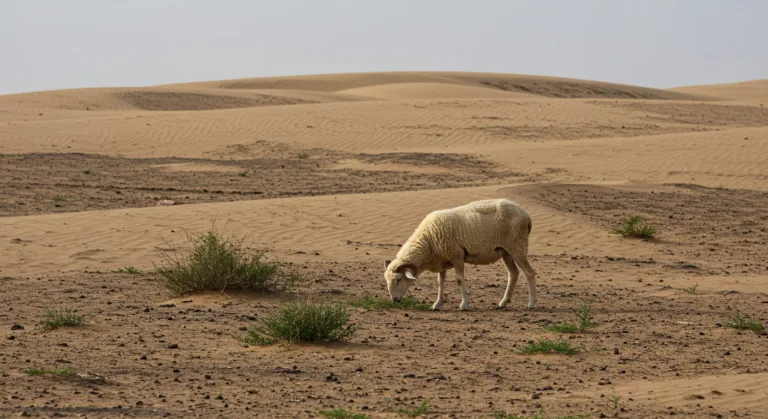
Imagine you’re on a dusty road trip through the endless sands of a desert, where the sun beats down like a giant spotlight. Suddenly, you spot a fluffy white sheep with a head like a chocolate-dipped cookie and a tail so fat it wobbles like a balloon full of jelly. That’s no ordinary sheep—it’s a Bedouin sheep, tough as nails and ready for adventure. These amazing animals come from the wandering tribes of the Middle East, but guess what? They’ve found a new home in Pakistan, especially in hot spots like Multan, where farms like Multanfarms.com are turning them into stars of the show.
You might think sheep are just for cozy wool sweaters or counting to fall asleep, but Bedouin sheep are built for survival in places where water is scarce and the ground is rock-hard. They’re like the superheroes of the farm world, with capes made of thick wool that keep them cool in the heat. In this article, we’ll dive into their wild origins, what makes them tick, and how they’re helping families in Pakistan thrive. Get ready to learn why these woolly wonders might just change how you see your next lamb dinner.
Where Did These Woolly Wanderers Come From?
Picture this: Thousands of years ago, groups of people called Bedouins roamed the deserts of Syria and Iraq like nomads in a giant playground. They needed animals that could handle scorching days and chilly nights without complaining. Enter the Awassi sheep, often called Bedouin sheep because they’re the go-to buddy for those desert travelers. These sheep aren’t picky eaters—they munch on tough grasses that other animals would turn their noses up at, kind of like how you might eat a slightly burned pizza because it’s all you’ve got.
The name “Awassi” might sound fancy, but it’s just from an old tribe in northern Syria. From there, these sheep spread like wildfire across the Middle East, carrying fat in their tails like a built-in snack pack for lean times. Fast forward to today, and they’ve crossed borders into Pakistan, where the dry lands feel just like home. It’s like they packed their bags and said, “Pakistan’s got the perfect vibe for us!”
Did you know? One Awassi ewe can produce enough milk to make over 100 cups of yogurt in a season. That’s like filling your school’s snack cart single-handedly!
What Do Bedouin Sheep Look Like Up Close?
Ever seen a sheep that looks like it glued a cotton ball to its back end? That’s the fat tail of a Bedouin sheep—it’s their secret weapon, storing energy like a camel’s hump but way cuter. These sheep have snowy white wool that covers most of their body, but their heads and legs are a rich brown, almost like they dipped them in hot chocolate before heading out. Rams, the boy sheep, grow big horns that curve like a fancy headband, while ewes keep it simple and horn-free.
They’re medium-sized, standing about as tall as your waist, with ears that flop like puppy dog tails. In Pakistan’s farms, like those run by Multanfarms.com, farmers pick these sheep for their sturdy build—they don’t trip over rocks or whine about the heat. Imagine them as the rugged jeans of the animal world: practical, tough, and always ready for the next dusty trail.
Key Features at a Glance:
- Color: White body, brown face and legs—like a vanilla ice cream cone with chocolate drizzle.
- Tail: Fat and fluffy, can weigh up to 20 pounds when full, like carrying a backpack of marshmallows.
- Wool: Coarse and curly, perfect for carpets, not fancy scarves.
These looks aren’t just for show; they help Bedouin sheep blend into sandy landscapes and stay comfy in 100-degree weather.
How Do Bedouin Sheep Thrive in Pakistan’s Tough Spots?
Pakistan’s got deserts hotter than a summer sidewalk, and that’s where Bedouin sheep shine brightest. Places like Cholistan near Multan are semi-arid, meaning rain is rare, but these sheep don’t mind. They’re pros at finding water from juicy plants after a shower, just like how you’d squeeze the last drop from a water bottle on a hike. Farmers in Punjab province, home to Multanfarms.com, love them because they walk miles without tiring, grazing on sparse bushes that grow in sandy soil.
Take Multan, for example—it’s smack in the middle of Pakistan’s breadbasket, but parts are as dry as crackers. Here, Bedouin sheep roam open fields, turning scrubby land into productive pastures. They’re like eco-warriors, helping control weeds so the ground doesn’t turn into a dust bowl. And in a country with over 30 million sheep, these imports boost local farms by mixing with native breeds, creating stronger flocks that handle droughts better.
Analogy time: Think of Bedouin sheep as your video game character with maxed-out endurance stats. While other sheep might “game over” in the heat, these guys keep leveling up, munching away and growing strong.
Did you know? In dry years, a single fat tail can provide enough calories to keep a sheep going for weeks—nature’s emergency snack bar!
Why Are Bedouin Sheep Farm Favorites at Places Like Multanfarms.com?
Starting a sheep farm might sound like herding cats, but with Bedouin breeds, it’s more like leading a pack of loyal puppies. At Multanfarms.com, experts guide new farmers on picking the right stock, like buying the Balochi or Harnai mixes that echo Bedouin’s toughness. These sheep grow fast—lambs hit market weight in just four months, turning a tiny fluffball into a feast provider quicker than you can say “barbecue.”
Farming them means low costs: No fancy barns needed, just open land and some shade trees. Feed them local grasses, add a bit of grain, and watch the magic. Multanfarms.com even shares tips on fattening young ones for sale, starting with 300 sheep and scaling up smartly. It’s profitable too—Pakistan’s sheep industry pumps out millions in meat and wool yearly, helping families afford school fees or new bikes.
Real-world example: In Multan’s countryside, a farmer named Ahmed started with 50 Bedouin sheep. Within a year, their wool sold for rugs, milk for cheese, and meat fed his village. Now, his flock’s double the size, all thanks to hardy breeds that don’t quit.
Quick Farm Perks:
- Fast Growth: Lambs gain weight like they’re in a growth spurt race.
- Multi-Use: Meat, milk, wool—it’s like a Swiss Army knife on four legs.
- Low Drama: Rarely get sick in dry climates, saving vet bills.
Raising them teaches patience, but the rewards? Huge, like acing a tough school project.
What Do Bedouin Sheep Bring to the Table—Literally?
Pull up a chair; it’s time to talk about why these sheep end up on plates across Pakistan. Their meat is tender and flavorful, perfect for kebabs or biryani, with that fat tail melting like butter for extra juiciness. One sheep can feed a family of four for days, and in markets, a fattened lamb fetches enough cash for a month’s groceries.
But it’s not just dinner—their milk makes creamy labneh cheese, spreadable like peanut butter but way healthier. Wool? Spun into blankets that keep you toasty on chilly evenings. In Pakistan, where sheep provide 40% of red meat, Bedouin types step up big time, especially during festivals like Eid when everyone celebrates with feasts.
Example in action: During a dry spell in Punjab, farmers turned to Bedouin milk for yogurt sales, keeping income steady while crops struggled. It’s like having a backup plan that’s also delicious.
Fun fact: That wobbly tail fat is a delicacy in some spots, roasted like a steak—talk about tail-end treasure!
Daily Life with Bedouin Sheep: Care and Community
Ever wondered what it’s like to wake up and count sheep for real? On a farm like those featured on Multanfarms.com, days start with checking water troughs and herding flocks to fresh grass. Bedouin sheep are social butterflies—they stick together like your best friends at recess, making them easy to move.
Care is simple: Shear wool once a year (like a haircut for fluff), vaccinate against bugs, and watch for twins during lambing season—ewes often pop out two babies at once! Communities in Pakistan share tips, trading rams for better herds, building bonds stronger than wool thread.
Analogy alert: Herding them is like organizing a playground game—set the rules, give space, and everyone plays nice. One farmer in Multan says his kids help out, learning responsibility while petting the softest “dogs” ever.
Challenges? Heat waves or sneaky predators, but with group effort, it’s doable. Plus, the bleats and bounces make it feel like a party.
Wrapping Up the Woolly Adventure
So, we’ve trekked through deserts, peeked at fat tails, and seen how Bedouin sheep are rocking farms in Pakistan, from their ancient roots to modern spots like Multanfarms.com. These tough, multi-talented animals provide food, fiber, and fun, proving that even in harsh lands, a little wool can go a long way. They’re not just livestock; they’re lifelines for families chasing dreams in the sand.
Next time you spot a sheep in a field or bite into a juicy kebab, think about the journey—from Bedouin tents to Pakistani plates. Why not chat with a local farmer or check out Multanfarms.com for tips? Who knows, you might inspire your own backyard flock. What’s your favorite animal adventure waiting to happen?