Have you ever bitten into a juicy, sun-ripened mango and wondered where it came from? Or maybe you’ve seen fields of golden wheat swaying in the breeze and thought about how it gets from the farm to your breakfast table? Well, if you’re curious about agriculture in Pakistan, there’s one place you absolutely need to know about: Bottom Multan. This isn’t just any farming area, it’s like the VIP section of Pakistan’s agricultural world, and today we’re going to explore why farmers and food lovers can’t stop talking about it.
Bottom Multan refers to the fertile lowland areas near the city of Multan in southern Punjab, Pakistan. Think of it as nature’s gift to farmers, a place where the soil is so rich and the conditions are so perfect that growing crops feels almost magical. But what exactly makes this region stand out from other farming areas? And why should you care about a farming region halfway around the world? Stick around, because the answers might surprise you and change the way you think about where your food comes from.
Where Exactly Is Bottom Multan?
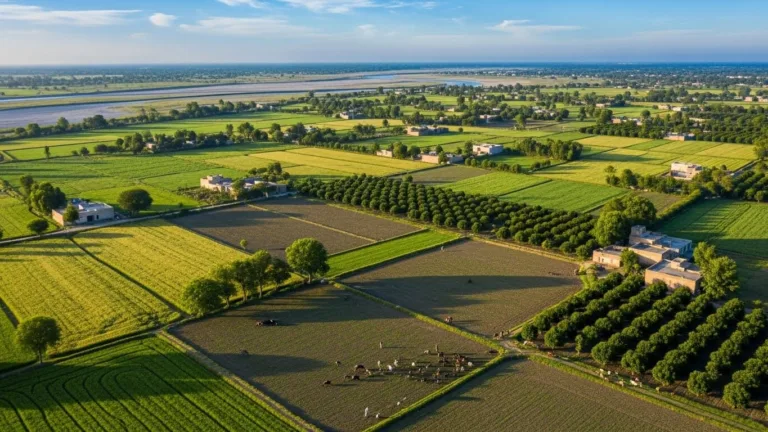
Let’s start with the basics. Multan is an ancient city in Punjab province, and when farmers talk about “Bottom Multan,” they’re referring to the lower-lying agricultural lands surrounding the city, especially areas closer to the Chenab River and its tributaries. Imagine a massive bowl where water naturally flows and collects, that’s basically what bottom land means. These areas sit at lower elevations compared to the surrounding regions, which makes them perfect for holding moisture and nutrients.
Why does elevation matter so much? Well, think about it this way: if you pour water on a flat table, it spreads everywhere and eventually drips off. But if you pour it into a shallow dish, it stays put and soaks in. That’s exactly what happens in Bottom Multan. When it rains or when the rivers flood (in a good way), the water doesn’t rush away. Instead, it seeps deep into the ground, creating super fertile soil that crops absolutely love.
The Secret Sauce: Why Bottom Multan’s Soil Is Like Gold
Here’s where things get really interesting. The soil in Bottom Multan isn’t just regular dirt, it’s what scientists call alluvial soil. Don’t let the fancy name scare you off. Alluvial soil is basically soil that rivers have been depositing for thousands of years. Every time the Chenab River floods, it carries tiny particles of rock, minerals, and organic matter from upstream and spreads them across the lowlands like nature’s own fertilizer service.
This process has been happening for so long that the soil in Bottom Multan is incredibly deep and packed with nutrients. It’s like comparing a thin slice of cheese on your pizza to a deep-dish pizza loaded with toppings. Crops grown here get access to all the good stuff they need: nitrogen for leafy growth, phosphorus for strong roots, and potassium for healthy fruits. Farmers in Bottom Multan often joke that you could plant a stick in the ground and it would probably grow into something!
The texture of the soil matters too. Bottom Multan’s soil has the perfect balance, it’s not too sandy (which would let water drain away too quickly) and not too clay-like (which would suffocate plant roots). This goldilocks combination means water and air can move through the soil easily, giving plant roots everything they need to thrive.
What Grows Best in Bottom Multan?
You might be wondering, “Okay, so the soil is great, but what actually grows there?” The answer is: almost everything! Bottom Multan is famous for several crops that have made the region a superstar in Pakistan’s agricultural scene.
Cotton is the king here. Pakistan is one of the world’s top cotton producers, and a huge chunk of that fluffy white gold comes from areas like Bottom Multan. The warm climate and fertile soil create perfect conditions for cotton plants to produce those fiber-filled bolls that eventually become your t-shirts and jeans.
Sugarcane is another champion crop. These tall, sweet plants need tons of water and nutrients, and Bottom Multan delivers both. When you’re sipping on a cold soda or eating candy, there’s a good chance the sugar came from sugarcane grown in regions just like this one.
But wait, there’s more! Farmers here also grow wheat (for bread and pasta), mangoes (Pakistan’s mangoes are legendary), citrus fruits, dates, and vegetables like tomatoes and onions. It’s like a year-round farmers market, with different crops thriving in different seasons.
Water: The Lifeline of Bottom Multan
Let’s talk about something you use every single day but might not think much about: water. In farming, water isn’t just important, it’s everything. And Bottom Multan has hit the jackpot in this department too.
The Chenab River system provides a steady supply of water through an intricate network of canals and channels. These waterways were built over a century ago (some during British colonial times) and they still work like a charm today. Think of it as a giant irrigation highway system, bringing water exactly where farmers need it, when they need it.
But here’s the cool part: because Bottom Multan sits in those lower-lying areas, the groundwater table (that’s the level where underground water sits) is relatively high. This means farmers can dig wells and access water pretty easily, even during drier months. It’s like having a backup water supply right under your feet.
However, this blessing comes with responsibility. Farmers in Bottom Multan have to be careful not to overuse water resources, because too much irrigation can lead to problems like waterlogging (when soil becomes too saturated) or salinity (when salt builds up in the soil). It’s all about finding that perfect balance.
The Climate Connection
Imagine trying to grow tomatoes in Antarctica or palm trees in Alaska. Sounds impossible, right? That’s because climate matters enormously for farming, and Bottom Multan’s climate is another reason it’s such a farming powerhouse.
The region experiences what’s called a semi-arid climate, which means it gets hot summers, mild winters, and moderate rainfall. Temperatures can soar above 100°F (38°C) in summer, which might sound miserable to you and me, but crops like cotton and sugarcane actually love it. These hot conditions help plants grow quickly and produce more.
Winter temperatures are much more comfortable, ranging from 40-70°F (4-21°C), which is perfect for wheat and vegetables. This seasonal variation means farmers can grow different crops throughout the year, maximizing their land’s productivity. It’s like having two completely different farms on the same piece of land, just at different times!
Modern Farming Meets Ancient Land
Here’s something really fascinating: while Bottom Multan has been farmed for literally thousands of years (Multan is one of the oldest cities in Asia), farmers today are using cutting-edge technology to make their farms even more productive.
Many farmers now use drip irrigation systems that deliver water directly to plant roots, wasting way less water than traditional flood irrigation. Some are flying drones over their fields to check crop health and spot problems early. GPS-guided tractors ensure that seeds are planted at perfect intervals. It’s like watching ancient traditions meet The Jetsons!
Social media and websites like Multanfarms.com are also changing the game. Farmers can now share tips, check weather forecasts, learn about new techniques, and even sell their produce online. This digital revolution is helping Bottom Multan farmers compete in global markets while preserving the traditional knowledge passed down through generations.
Challenges Facing Bottom Multan’s Farmers
Of course, it’s not all sunshine and mangoes (well, actually there’s plenty of both). Farmers in Bottom Multan face some real challenges that we should understand.
Climate change is making weather patterns less predictable. Unexpected droughts or floods can devastate crops. Water scarcity is becoming more serious as populations grow and more water is needed for cities. Soil degradation from overuse of chemical fertilizers is a concern. And like farmers everywhere, those in Bottom Multan have to deal with fluctuating crop prices that can make or break their income for the year.
But here’s the inspiring part: these farmers are incredibly resilient and innovative. They’re experimenting with drought-resistant crop varieties, adopting organic farming methods, and forming cooperatives to share resources and knowledge. It’s a reminder that farming isn’t just about planting seeds and hoping for the best, it’s about constantly adapting and problem-solving.
Why Should You Care About Bottom Multan?
You might be thinking, “This is all interesting, but I live thousands of miles away. Why should I care about farming in Bottom Multan?” That’s a fair question, and here’s your answer: we’re all connected through the food we eat and the clothes we wear.
The cotton from Bottom Multan might become the hoodie you’re wearing right now. The agricultural techniques developed there could inspire sustainable farming practices in your own community. Understanding how food is grown helps you make better choices about what you eat and appreciate the incredible work farmers do to feed the world.
Plus, Bottom Multan’s story is really a story about how humans and nature can work together. When we respect the land, use resources wisely, and combine traditional wisdom with modern innovation, amazing things can happen. That’s a lesson that applies whether you’re growing tomatoes in your backyard or managing thousands of acres of farmland.
The Bottom Line on Bottom Multan
So what have we learned? Bottom Multan is way more than just some farmland in Pakistan. It’s a perfect storm of geographical advantages, fertile alluvial soil, strategic water access, ideal climate, and hardworking, innovative farmers. Together, these factors create one of the most productive agricultural regions in South Asia.
The next time you eat bread, wear a cotton shirt, or enjoy something sweet, take a second to think about where it came from. There’s a good chance the story begins in a place like Bottom Multan, where the land is rich, the traditions run deep, and farmers work hard every single day to grow the things we need.
What’s something you eat regularly that you’ve never thought about where it’s grown? Maybe it’s time to do a little research and discover the amazing agricultural regions that help feed and clothe the world. Who knows, you might find your new favorite topic!