Have you ever eaten pakoras, that crispy, golden snack that’s basically impossible to stop munching on? Or maybe you’ve tried those soft, delicious flatbreads called rotis that seem to melt in your mouth? Well, here’s a little secret: many of these amazing foods get their magic from something called chickpea flour, which lots of people also call besan. It’s not just any ordinary flour, it’s made by grinding up chickpeas into a fine, silky powder that’s been feeding people for thousands of years!
You might be thinking, “Wait, chickpeas? Aren’t those the little round beans in my salad?” Exactly! But when you grind them into flour, something incredible happens. This humble ingredient becomes a cooking superhero that can do everything from making crispy fritters to helping your skin glow. People all around the world, especially in South Asia and the Middle East, have been using besan for centuries because it’s nutritious, delicious, and incredibly versatile.
In this article, we’re going to dive deep into the world of chickpea flour. We’ll explore what makes it so special, how it’s different from regular wheat flour, why it’s so good for your body, and even discover some surprising ways people use it beyond just cooking. Trust me, by the end of this, you’ll look at those little chickpeas in a whole new way!
From Chickpea to Flour: How Besan Is Made
Let’s start with the basics. Chickpea flour begins its journey as regular chickpeas, which are also called garbanzo beans. These beans come in different varieties, but the most common ones are the creamy-colored chickpeas you’ve probably seen before. To make besan, farmers first grow and harvest these chickpeas, and then here’s where the transformation begins!
The chickpeas are cleaned thoroughly to remove any dirt or debris, kind of like how you’d rinse vegetables before eating them. Then comes the important part: they’re dried completely. Why does this matter? Well, think about trying to grind up wet clay versus dry clay. The dry version turns into a fine powder much more easily, right? It’s the same principle with chickpeas.
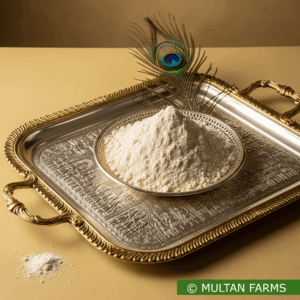
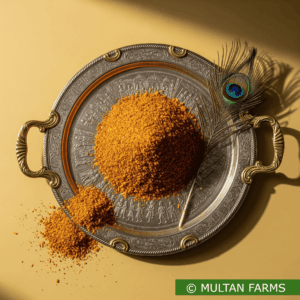
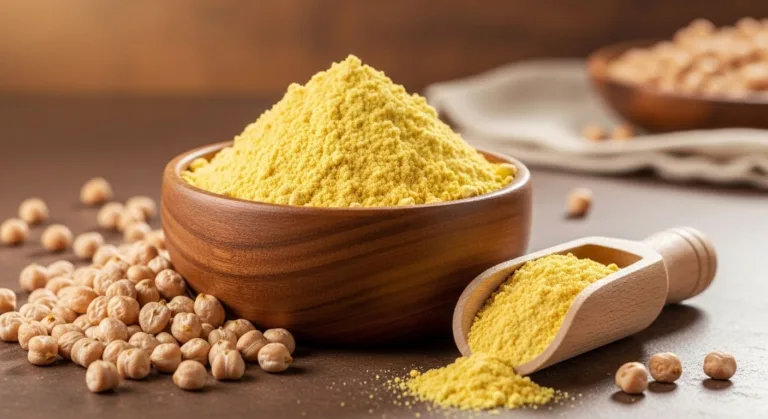
Once the chickpeas are totally dry, they’re ground using special mills that crush them into an incredibly fine powder. Some places still use traditional stone mills, while others use modern machines, but the goal is the same: create a smooth flour that’s perfect for cooking. The final product is a pale yellow powder with a slightly nutty smell that’s ready to become all sorts of delicious foods. At places like Multanfarms.com, you can find high-quality besan that’s carefully made to preserve all the natural goodness of chickpeas.
Why Your Body Loves Chickpea Flour
Here’s where things get really interesting! Chickpea flour isn’t just tasty, it’s actually packed with nutrients that your growing body needs. Remember when your parents tell you to eat your protein so you can grow strong? Well, besan is loaded with protein! In fact, it has way more protein than regular wheat flour, which is why it’s such a popular choice for people who want to build muscle or just stay healthy.
But wait, there’s more! Besan is also rich in fiber, which might not sound exciting until you realize what fiber does. Think of fiber as your digestive system’s best friend. It helps keep everything moving smoothly through your body and makes you feel full longer, so you’re not constantly raiding the snack cabinet. Plus, chickpea flour has tons of vitamins and minerals like iron, magnesium, and B vitamins that help your body work properly.
Here’s something really cool: besan is naturally gluten-free. You’ve probably heard about gluten, it’s a protein found in wheat that some people can’t eat because it makes them sick. For people with celiac disease or gluten sensitivity, chickpea flour is like finding a treasure chest because they can still enjoy pancakes, breads, and other baked goods without getting sick. Even if you can eat gluten just fine, mixing besan into your diet adds variety and extra nutrition to your meals.
Cooking Magic: What Can You Make with Besan?
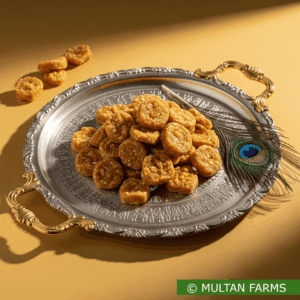
Now for the fun part, what can you actually do with chickpea flour? The answer is: so much more than you’d think! In South Asian cooking, besan is the star ingredient in countless dishes. Those crispy pakoras we mentioned earlier? They’re made by mixing besan with water, spices, and vegetables like onions or potatoes, then deep-frying them until they’re golden and crunchy. They’re so good that people often serve them when guests come over or during special celebrations.
But besan isn’t just for savory foods. You can also make sweet treats with it! There’s a dessert called besan ladoo, which are little round balls made from roasted chickpea flour, sugar, and ghee (a type of clarified butter). They taste rich and slightly nutty, kind of like a cookie made from nature’s ingredients. In Middle Eastern cooking, chickpea flour is used to make something called socca, which is basically a big, flat pancake that’s crispy on the edges and soft in the middle.
Here’s where it gets even more creative: you can use besan as a replacement for eggs in vegan baking! When you mix chickpea flour with water, it becomes thick and sticky, almost like beaten eggs. This means people who don’t eat eggs can still make fluffy pancakes, moist muffins, and other baked goods. It’s like besan has secret superpowers that let it transform into whatever a recipe needs. You can even use it to make a thick batter for coating vegetables or chicken before frying, which creates an extra-crispy coating that’s absolutely delicious.
Beyond the Kitchen: Surprising Uses for Chickpea Flour
Hold on to your hats, because chickpea flour isn’t just for eating! For hundreds of years, people have been using besan as a beauty treatment. I know that sounds weird at first, but think about it: if something is natural, gentle, and good for your body inside, why wouldn’t it be good for your skin outside?
In many cultures, especially in South Asia, people make face masks by mixing chickpea flour with things like milk, yogurt, or turmeric (a yellow spice). They spread this paste on their face, let it dry for about 15 minutes, and then wash it off. The besan acts like a gentle scrub that removes dead skin cells and makes your face feel super soft and smooth. It’s like nature’s version of those expensive face scrubs you see in stores!
Some people even use chickpea flour mixed with water as a natural cleanser for their hair. The flour helps absorb extra oil and dirt, leaving hair feeling clean and fresh. It’s an old-school trick that people used before modern shampoos were invented, and some folks still swear by it today. While you probably shouldn’t ditch your regular shampoo completely, it’s pretty amazing that a simple flour can be so multi-talented!
Besan vs. Regular Flour: What’s the Difference?
You might be wondering, “Why should I care about chickpea flour when I already have regular flour at home?” Great question! Let’s break down what makes besan different from the wheat flour you’re used to. First off, they taste completely different. Regular white flour has a pretty neutral taste, but chickpea flour has a distinct, slightly earthy flavor that adds character to whatever you’re making.
The texture is different too. When you mix wheat flour with water, it becomes sticky and elastic because of that gluten we talked about earlier. This stretchiness is perfect for making bread that rises and pizza dough that you can toss in the air (well, maybe not on your first try!). Chickpea flour, on the other hand, doesn’t have gluten, so it doesn’t get stretchy. Instead, it creates a denser, more crumbly texture that’s perfect for things like fritters or flatbreads.
From a nutrition standpoint, besan wins in several categories. It has more protein, more fiber, and more vitamins and minerals than regular white flour. White flour is often enriched, meaning nutrients are added back in after processing, but chickpea flour keeps its nutrients naturally. Plus, besan has a lower glycemic index, which basically means it doesn’t cause your blood sugar to spike as quickly as white flour does. This makes it a smarter choice if you’re trying to maintain steady energy throughout the day instead of getting that rush-and-crash feeling after eating sugary foods.
Growing and Sourcing Quality Chickpea Flour
Ever wonder where your food actually comes from before it hits the grocery store? Chickpeas grow in warm climates and need plenty of sunshine, kind of like how you might feel more energetic on a bright, sunny day. Countries like India, Pakistan, Turkey, and parts of the Mediterranean have been growing chickpeas for thousands of years because the conditions are just right.
When you’re looking for good-quality besan, freshness really matters. Flour that’s been sitting on a shelf for months can start to taste bitter or stale, just like how potato chips taste better when they’re fresh out of a newly opened bag. That’s why getting your chickpea flour from reliable sources like Multanfarms.com makes a difference. They focus on providing fresh, high-quality besan that still has all its natural flavor and nutrients intact.
The way chickpeas are grown also impacts the final flour. Chickpeas grown without harsh pesticides and chemicals tend to be healthier for both you and the environment. They’re also better for the soil, helping it stay fertile so more crops can grow in the future. When you choose quality chickpea flour, you’re not just getting a better-tasting product, you’re also supporting farming practices that take care of our planet. Pretty cool, right?
Wrapping It Up: The Power of This Ancient Superfood
So, what have we learned about chickpea flour? It’s way more than just ground-up beans! Besan is a nutritional powerhouse that’s been feeding people for centuries, a versatile cooking ingredient that works in both sweet and savory dishes, and even a natural beauty product that people use to take care of their skin and hair. It’s proof that sometimes the simplest ingredients are the most amazing.
Whether you’re looking to try new foods, eat healthier, or just understand more about what goes into your meals, chickpea flour is definitely worth exploring. Maybe you’ll convince your family to try making homemade pakoras together, or perhaps you’ll experiment with adding besan to your favorite recipes to boost their nutrition. The possibilities are endless!
Next time you’re at the grocery store or checking out websites like Multanfarms.com, take a moment to appreciate that bag of pale yellow powder. Inside that simple package is thousands of years of culinary tradition, tons of nutrients your body will thank you for, and the potential to create some seriously delicious food. Who knew chickpeas could be so incredible? What dish will you try making with besan first?