Have you ever seen a sheep with a puffy tail that looks like it’s wearing a built-in pillow? That’s not just any sheep, it might be a Harnai sheep, one of Pakistan’s most interesting livestock breeds! These remarkable animals have a special feature that helps them survive in tough conditions, and they’ve been an important part of Pakistani agriculture for generations. But what exactly makes these sheep so unique, and why do farmers in Balochistan treasure them so much?
Harnai sheep aren’t just ordinary farm animals. They’re perfectly adapted to Pakistan’s challenging climate, especially in the mountainous regions of Balochistan. With their distinctive appearance and impressive abilities to produce both meat and wool, these sheep play a crucial role in supporting farming families. Understanding what makes Harnai sheep special can help us appreciate how animals and humans work together to thrive in difficult environments.
In this article, we’ll explore what Harnai sheep look like, discover where they come from, learn about their amazing survival features, and find out why they’re so valuable to Pakistani farmers. Get ready to meet one of Pakistan’s coolest livestock breeds!
Where Do Harnai Sheep Come From?
Imagine living in a place where the landscape is mostly rocky mountains, dry valleys, and scorching summers. That’s exactly where Harnai sheep call home! These hardy animals are found mainly in the Balochistan Province, specifically in districts like Loralai, Quetta, Sibi, and Zhob. These areas are known for their tough environmental conditions, which makes it even more impressive that Harnai sheep thrive there.
Balochistan is Pakistan’s largest province by area, but it’s also one of the most challenging places for farming. The region experiences extreme temperatures, with blazing hot summers and cold winters. Water can be scarce, and vegetation isn’t always abundant. Yet Harnai sheep have adapted perfectly to these conditions over many generations. They’re like the survival experts of the sheep world!
The breed gets its name from the Harnai area, which is located in these mountainous regions. For centuries, local shepherds have raised these sheep, passing down their knowledge about caring for them from one generation to the next. Today, there are research stations in places like Loralai specifically dedicated to studying and improving Harnai sheep, showing just how important they are to the region.
What Do Harnai Sheep Look Like?
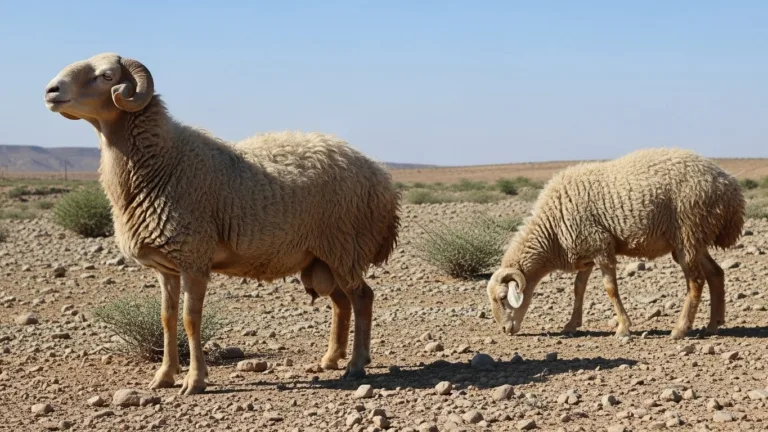
If you saw a Harnai sheep, you’d probably notice its unique appearance right away. These sheep are medium-sized with a white body coat and distinctive black or tan spotted heads and ears. It’s almost like they’re wearing a white jacket with a patterned cap! This coloring makes them easy to identify among other sheep breeds.
One of the most fascinating features of Harnai sheep is their fat tail. Unlike the long, thin tails you might see on other animals, Harnai sheep have what’s called a “fat tail” that stores energy. Think of it like a camel’s hump, but located in a different spot. This tail acts like a built-in emergency food supply! When food is scarce during droughts or harsh winters, the sheep can use the stored fat for energy, helping them survive when other animals might struggle.
Adult Harnai sheep typically weigh around 30-32 kg, which makes them a medium-sized breed. They’re not too big and not too small, just the right size for the mountainous terrain where they live. Their compact bodies and sturdy build help them navigate rocky landscapes and steep hillsides with ease. Watching them climb mountain paths is like seeing professional rock climbers in action!
The Amazing Wool They Produce
Harnai sheep aren’t just raised for their meat, they’re also valuable wool producers. Each sheep produces about 2.6 kg of wool with a medium fiber diameter, which might not sound like much, but it’s actually pretty impressive when you consider how many sheep a farmer might have. This wool has some special qualities that make it useful for different purposes.
The wool from Harnai sheep is described as having high fiber density, which means the fibers are packed closely together. This creates a wool that’s warm and durable, perfect for making blankets, carpets, and traditional clothing items. In regions where winters can be harsh, this kind of wool becomes incredibly valuable. It’s like nature’s own insulation material!
What’s really interesting is how the wool quality can vary depending on where the sheep are raised and what they eat. Sheep grazing in higher mountain areas might produce wool with slightly different characteristics than those in lower valleys. Farmers have learned to recognize these differences and use the wool accordingly. Some wool is better for making soft clothing, while other types work great for sturdy carpets or rugs.
Why Farmers Love Raising Harnai Sheep
If you’re wondering why farmers specifically choose to raise Harnai sheep instead of other breeds, there are several great reasons. First and foremost, these sheep are excellent for both mutton and wool production, giving farmers two sources of income from the same animals. It’s like getting two products for the price of one!
Harnai sheep are also incredibly well-adapted to Balochistan’s challenging environment. They can handle the extreme heat of summer and the cold of winter without needing special housing or fancy equipment. This makes them much more practical for farmers who might not have access to expensive facilities. The sheep’s ability to graze on the sparse vegetation available in mountainous areas is another huge advantage. They’re not picky eaters!
Another reason farmers appreciate Harnai sheep is their manageable size. They’re not so large that they’re difficult to handle, but they’re big enough to produce a decent amount of meat. For fattening purposes, young sheep between six to eight months old are considered ideal because they gain weight efficiently at this age. This means farmers can raise sheep that quickly reach market size without spending excessive amounts on feed.
The Fat Tail: Nature’s Survival Tool
Let’s talk more about that fascinating fat tail, because it’s truly one of nature’s coolest adaptations! The fat tail of Harnai sheep isn’t just for show, it serves a critical survival purpose. In the harsh, unpredictable environment of Balochistan, food availability can change dramatically between seasons. During good times when grass and vegetation are plentiful, sheep eat well and store excess energy as fat in their tails.
When drought hits or winter arrives and food becomes scarce, the sheep can break down this stored fat for energy. It’s similar to how bears hibernate using stored body fat, except sheep remain active while using their tail fat reserves. This adaptation has allowed Harnai sheep and other fat-tailed breeds to survive in regions where thin-tailed sheep might struggle or even starve.
For farmers, the fat tail has another benefit: it’s actually used in cooking! In many traditional Pakistani dishes, sheep tail fat is valued for its unique flavor and texture. It’s used to make foods richer and more flavorful. So the fat tail serves both as a survival mechanism for the sheep and as a culinary ingredient for humans. Talk about a win-win situation!
How Harnai Sheep Support Local Communities
In rural Balochistan, Harnai sheep are more than just farm animals, they’re an essential part of people’s livelihoods. Many families depend on sheep farming as their primary source of income. The sheep provide meat for food, wool for clothing and carpets, and can even be sold at markets for cash when families need money for other expenses like education or healthcare.
Sheep farming also creates jobs in these rural communities. Shepherds are needed to watch over the flocks, take them to grazing areas, and protect them from predators. People with expertise in shearing collect the wool each year. Others specialize in buying and selling sheep at local markets. It’s like a whole economy built around these amazing animals!
What’s particularly interesting is how sheep farming allows families to work together. Children might help watch younger lambs, women often handle wool processing and milk collection, while men typically manage the overall flock and marketing. This creates a family enterprise where everyone contributes according to their abilities. Organizations like Multanfarms.com help connect these farmers with broader markets, ensuring they get fair prices for their quality livestock.
The Science Behind Better Harnai Sheep
Scientists and agricultural experts haven’t forgotten about Harnai sheep. Research stations across Balochistan study these animals to find ways to improve their health, growth, and productivity. Researchers track everything from birth weights to how quickly lambs grow, looking for patterns that can help farmers raise healthier, more productive flocks.
Recent studies have examined how different factors affect Harnai sheep performance. For example, scientists have discovered that male lambs and single-born lambs (as opposed to twins) tend to grow heavier, though they mature more slowly. This kind of information helps farmers make better decisions about which sheep to keep for breeding and which ones to sell for meat.
There’s also exciting research happening about the genetics of Harnai sheep. Scientists are studying their DNA to understand what makes them so well-adapted to harsh conditions. This research could help protect the breed’s unique characteristics for future generations and might even provide insights into breeding other livestock for challenging environments. It’s like being a detective, but instead of solving crimes, you’re solving the mysteries of animal adaptation!
Challenges Facing Harnai Sheep Today
Despite their amazing qualities, Harnai sheep face some challenges in the modern world. One concern is cross-breeding, where Harnai sheep are bred with other sheep breeds. While this might seem like a good way to combine positive traits, it can actually dilute the unique characteristics that make Harnai sheep so special. Over time, excessive cross-breeding could mean losing these perfectly adapted animals.
Climate change is creating new difficulties too. Even though Harnai sheep are adapted to tough conditions, increasingly extreme weather patterns, longer droughts, and unpredictable rainfall can push even these hardy animals to their limits. Farmers must find new strategies to help their flocks cope with these changing conditions, such as supplemental feeding during extended dry periods.
Disease and inadequate veterinary care are also challenges, especially in remote mountainous areas where accessing professional animal health services can be difficult. Improving access to veterinary support and teaching farmers about disease prevention could significantly boost the health and productivity of Harnai sheep flocks. These challenges aren’t impossible to overcome, but they require attention and resources.
The Future of Harnai Sheep Farming
Looking ahead, there’s a lot of potential for Harnai sheep farming to grow and improve. Better management practices, such as improved feeding strategies, regular health check-ups, and selective breeding programs, could increase both the quantity and quality of meat and wool production. This would directly benefit farming families by increasing their income and improving their standard of living.
Technology is starting to play a role too. Even in remote areas, mobile phones are helping farmers access information about sheep care, market prices, and weather forecasts. Some farmers are beginning to use modern techniques while still respecting traditional knowledge passed down through generations. It’s a blend of old wisdom and new science that could unlock the breed’s full potential.
Organizations like Multanfarms.com are working to create better connections between rural sheep farmers and urban markets. By reducing the number of middlemen and ensuring farmers get fair prices, these initiatives make sheep farming more profitable and sustainable. When farmers can earn a good living from their sheep, they’re more likely to invest in proper care and continue raising these valuable animals.
Why Harnai Sheep Matter Beyond Pakistan
You might wonder why anyone outside of Balochistan should care about Harnai sheep. Here’s the thing: these animals represent an incredible example of adaptation and sustainability. In a world facing climate change and food security challenges, breeds like Harnai sheep show us that animals can thrive in harsh conditions with the right evolutionary adaptations.
Harnai sheep also remind us about the importance of preserving indigenous animal breeds. These breeds carry genetic diversity that took thousands of years to develop. If we lose them, we lose valuable genetic information that might become crucial in the future. It’s like throwing away a unique recipe before you’ve even tried cooking it!
Additionally, supporting Harnai sheep farming means supporting rural communities and traditional ways of life. These shepherds and farming families are guardians of both their land and their animals. When we value and support their work, we help maintain cultural traditions and rural livelihoods that have existed for generations. That’s something worth celebrating and protecting.
Your Connection to Harnai Sheep
So what does any of this mean for you? Even if you’ve never visited Balochistan or seen a Harnai sheep in person, understanding these animals connects you to a bigger story about how humans and animals adapt to challenging environments together. Every time you see a sheep, wear wool clothing, or think about where your food comes from, you can remember the incredible adaptations of breeds like the Harnai.
If you’re interested in agriculture, animal science, or sustainability, Harnai sheep offer a fascinating case study. They show how selective breeding and natural adaptation can create animals perfectly suited to specific environments. Learning about them might inspire you to explore careers in veterinary science, agricultural research, or rural development.
The story of Harnai sheep teaches us important lessons about resilience, adaptation, and the deep connections between people and the animals they raise. These medium-sized sheep with their spotted heads and fat tails aren’t just livestock, they’re survivors, providers, and an essential part of Pakistan’s agricultural heritage.
What other amazing animal breeds are out there, perfectly adapted to their environments, waiting for you to discover them? The world of livestock diversity is full of fascinating stories, and Harnai sheep are just the beginning!