Have you ever walked into your grandmother’s kitchen and noticed that her cooking smells absolutely amazing? Like, way better than anything you’d get at a restaurant? Well, there’s a good chance her secret ingredient isn’t some fancy spice or special recipe. It might actually be the oil she’s using! In many traditional kitchens, especially in South Asia, cooks use something called “kachi ghani ka tel,” and it’s been a kitchen superstar for hundreds of years.
So what exactly is kachi ghani ka tel? The name might sound complicated, but it’s actually pretty simple. “Kachi” means raw or cold, “ghani” refers to a traditional wooden or stone press, and “tel” just means oil. Put it all together, and you’ve got cold-pressed oil made the old-fashioned way, without heat or chemicals. Think of it like the difference between freshly squeezed orange juice and the stuff that comes in a carton. Both are orange juice, but one tastes way better and keeps more of the good stuff your body needs!
In this article, we’ll explore why this traditional oil is making a comeback, how it’s different from regular cooking oils, and why people at Multanfarms.com believe it’s worth bringing back to modern kitchens.
How Is Kachi Ghani Oil Actually Made?
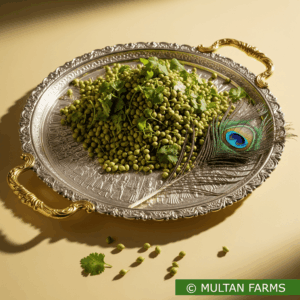
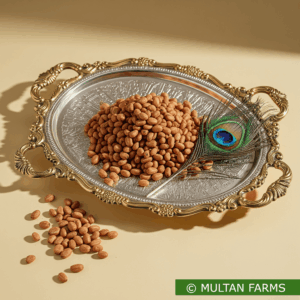
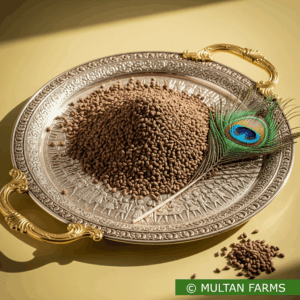
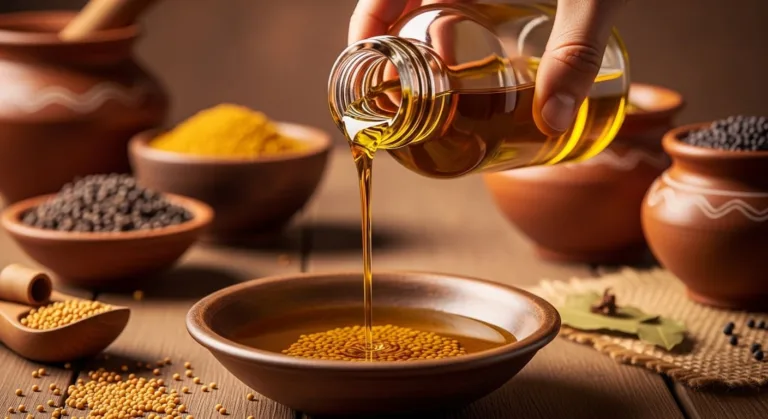
Imagine you’re trying to get juice from an orange. You could blast it with heat and chemicals to extract every last drop, or you could simply squeeze it gently and get pure, fresh juice. Kachi ghani oil works on the second principle. The traditional method uses a giant wooden or stone press (called a ghani) that slowly crushes seeds like mustard, sesame, or groundnut to release their oil.
Here’s what makes this method special: the whole process happens at room temperature or below. There’s no heating involved, which is super important because heat can destroy many of the nutrients and natural flavors in the oil. It’s kind of like how heating honey too much makes it lose its health benefits. The slow crushing method also means that the oil keeps its natural color, smell, and taste. If you’ve ever smelled fresh mustard oil made this way, it has this sharp, pungent aroma that tells you it’s the real deal.
The traditional ghani method is slow, there’s no doubt about that. A modern factory can produce hundreds of liters of oil in the time it takes a traditional press to make just a few. But that’s exactly the point! Slow and steady wins the race when it comes to keeping all those healthy compounds intact.
What Makes It Different from Regular Store-Bought Oil?
Walk down the cooking oil aisle at any supermarket and you’ll see dozens of bottles, all looking pretty similar in their clear plastic containers. Most of these oils go through something called “refining,” which is basically a series of processes involving heat, chemicals, and filtering. The goal? To make the oil look clear, last longer on shelves, and taste neutral.
But here’s the thing: all that processing strips away a lot of the good stuff. Natural antioxidants, vitamins, and the original flavor of the seeds all get reduced or removed completely. It’s like comparing a fresh apple to applesauce that’s been sitting in a can for months. Sure, it’s still food, but it’s definitely not the same thing.
Kachi ghani ka tel skips all that processing. What you get is oil in its most natural form, complete with all the vitamins, minerals, and antioxidants that nature put in there. The oil might look a bit cloudy or have a stronger smell, but that’s actually a good sign! It means nothing’s been filtered out or processed away.
Why Are Health-Conscious People Choosing Traditional Oils?
You’ve probably heard adults talking about “eating clean” or “going back to basics” with their food. Kachi ghani oil fits right into this trend, and there are some pretty solid reasons why. For starters, cold-pressed oils contain higher amounts of vitamin E, which is great for your skin and helps protect your cells from damage. They also have natural antioxidants that work like tiny bodyguards, fighting off harmful substances in your body.
Another cool benefit? These oils haven’t been chemically altered, which means your body recognizes and processes them more easily. Think of it this way: if your body is a video game console, natural oils are like the original game cartridges designed specifically for that system. They just work better together! Refined oils, on the other hand, are like forcing a cartridge into a console it wasn’t made for. It might work, but not as smoothly.
People who use kachi ghani mustard oil, for example, often say it helps with digestion and adds an authentic taste to their traditional dishes. At Multanfarms.com, the focus is on bringing these traditional, minimally processed oils to people who want to cook the way their ancestors did, with ingredients that haven’t been stripped of their natural goodness.
The Environmental Side of Traditional Oil Making
Here’s something interesting you might not have thought about: the way we make oil can actually affect the environment. Big industrial oil factories use tons of energy to heat and process their oils. They also use chemical solvents (basically, strong chemicals that help extract more oil from seeds) that need to be disposed of properly.
Traditional kachi ghani presses? They run on much less energy. Some are even powered by animals or simple motors. There are no chemical solvents involved, which means no chemical waste to worry about. It’s a more sustainable way of making oil, kind of like riding a bike instead of driving a car everywhere. Both get you where you need to go, but one is definitely better for the planet.
Plus, traditional oil pressing often happens on smaller farms or in local communities, which means the money stays in the community instead of going to huge corporations. When you choose kachi ghani ka tel from places like Multanfarms.com, you’re supporting traditional farming methods and local economies.
Can You Actually Taste the Difference?
Absolutely! This is where kachi ghani oil really shines. Have you ever eaten a homemade cookie fresh from the oven versus one from a package that’s been sitting on a store shelf for weeks? The difference is pretty obvious, right? The same thing happens with oils.
Cold-pressed mustard oil has this intense, spicy kick that can transform a simple salad or curry. Cold-pressed sesame oil (which is also made using kachi ghani methods) has a rich, nutty flavor that makes stir-fries taste incredible. These flavors come from all the natural compounds that survive the gentle pressing process. Refined oils, by comparison, are designed to taste like basically nothing so they don’t interfere with other flavors in your cooking.
Chefs who really care about authentic flavors often insist on using traditional oils. They know that these oils don’t just cook the food, they actually add another layer of flavor that makes the whole dish better. It’s the difference between painting with a full set of colors versus just having black and white.
Is Kachi Ghani Oil Right for Your Kitchen?
So should you rush out and replace all your cooking oil with kachi ghani ka tel? Well, that depends on what you’re cooking! These traditional oils are perfect for dishes where you want that authentic, traditional flavor. They’re also great for lower-temperature cooking or for using raw in dressings and dips.
However, some kachi ghani oils (like mustard oil) have lower smoke points, which means they start smoking and breaking down at lower temperatures than refined oils. This makes them less ideal for deep frying at super high heat. But for everyday cooking, tempering spices, making pickles, or adding to salads, they’re absolutely perfect.
The best part? You don’t have to choose just one type of oil forever. You can keep different oils for different purposes, just like you probably have different shoes for different activities. Sneakers for sports, fancy shoes for special occasions, and maybe traditional kachi ghani oil for when you want that authentic, healthy, delicious cooking experience!
Wrapping It All Up
Kachi ghani ka tel represents something pretty special: it’s a connection to traditional cooking methods that have worked for centuries. While modern food technology has given us convenient, cheap cooking oils, it’s also stripped away a lot of what makes food naturally nutritious and flavorful. Cold-pressed oils bring those benefits back to your kitchen.
Whether you’re interested in eating healthier, supporting sustainable farming practices, or just making food that tastes amazing, traditional oils like those from Multanfarms.com offer a simple way to upgrade your cooking. They prove that sometimes the old ways really are the best ways.
So next time you’re helping out in the kitchen, maybe suggest trying some kachi ghani ka tel. Who knows? You might just discover the secret ingredient that makes everything taste a little bit better. After all, if it worked for your great-great-grandparents’ generation, there’s probably something to it, right?