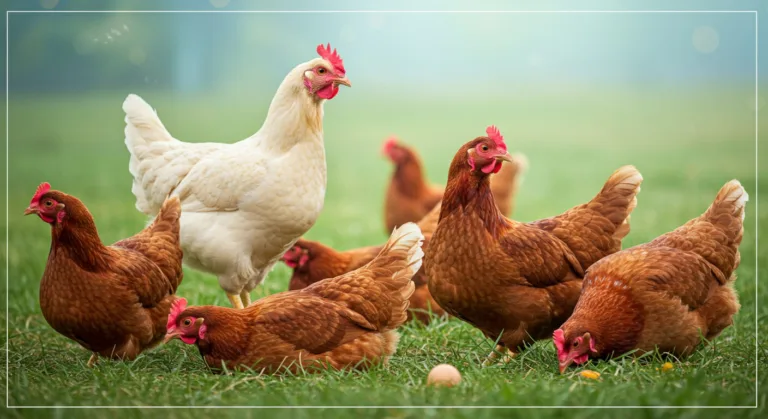
Picture this: you wake up every morning, walk out to your backyard, and find a fresh egg waiting for you in a cozy nest box. It sounds like magic, but it’s actually the amazing work of layer hens, some of the most incredible birds on the planet! These feathered superstars have one primary job that they absolutely excel at, producing delicious, nutritious eggs almost every single day.
You might think all chickens are basically the same, but layer hens are like the Olympic athletes of the chicken world. They’ve been specially bred and trained for one thing: creating the perfect breakfast ingredient. While some chickens are raised for meat and others are kept as pets, layer hens are the specialists who dedicate their entire lives to giving us those protein-packed ovals we love.
By the time you finish reading this article, you’ll understand why layer hens are so special, how they manage to produce so many eggs, and what makes them different from regular backyard chickens. Get ready to be amazed by these incredible egg-laying machines!
The Science Behind Super Egg Production: How Do They Do It?
Hens should begin producing eggs when they are 18-22 weeks old, which is like a teenager getting their first job! But here’s the really amazing part: once they start laying, during ideal day length (14-16 hours of light) and with adequate nutrition, housing, and management, these incredible birds can produce an egg almost every single day.
Think of a layer hen’s body like a perfectly designed egg factory that never stops working. Inside her body, there’s a complex system that creates a complete egg, complete with shell, yolk, and white, in just about 24 hours. It’s like having a 3D printer that works around the clock, except instead of plastic objects, it creates nutritious food!
The process is so efficient that layer hens require fresh feed and water to be available at all times because they’re constantly working to produce their next egg. Imagine if you had to eat and drink constantly to fuel your body for creating something new every single day, that’s exactly what these amazing birds do.
What’s really cool is that the artificial day should be increased either in one step, or in a number of steps until the artificial day reaches 16 to 17 hours, which will ensure constant and maximized egg production. This means farmers can actually help layer hens produce more eggs by giving them extra light, kind of like how you might be more productive when you have good lighting for studying.
Meet the Champions: Different Breeds, Different Superpowers
Not all layer hens are created equal! Just like how different dog breeds have different talents, different chicken breeds have different egg-laying abilities. Brown egg laying hens are larger in size. They eat more food, compared to white egg layers. Lay bigger eggs than other laying breeds, but that doesn’t necessarily mean they’re better.
Some of the most popular layer hen breeds include Isa Brown, Hi Sex Brown, Sever 579, Lehman Brown, Hi Line Brown and many others. Each breed is like a different model of car, they all get you where you want to go (fresh eggs), but some are more efficient, some produce larger eggs, and some work better in different climates.
White egg layers are typically smaller and more efficient, kind of like compact cars that use less gas. They eat less food but still produce plenty of eggs. Brown egg layers are like SUVs, bigger and more robust, producing larger eggs but requiring more fuel (food) to keep running.
The really fascinating thing is that many hatcheries sell what are called sex-link crosses. These specific crosses allow the hatchery to sex the chicks at hatch based on feather color. This means farmers can tell male and female chicks apart right when they’re born, which is super important since only female chickens (hens) lay eggs!
From Chick to Champion: The Layer Hen Journey
The journey from a tiny, fluffy chick to a productive layer hen is like watching someone train to become a professional athlete. Beak trimming and some vaccinations are done during the grower stage to prepare the birds for their adult life as laying hens, kind of like how young athletes get coaching and medical checkups to prepare for their careers.
During their growing phase, which is like their teenage years, these future layer hens need very careful nutrition and care. Restriction to feed supply to birds during growing stops them from growing fast, resulting in both feed savings and increased egg production when the birds mature. This might sound strange, but it’s like how athletes sometimes follow specific training diets to perform better later.
The growing period is absolutely crucial because the bird’s purchased need to be able to maintain a high level of production from point-of-lay until approximately 80 weeks of age. That’s like preparing for a marathon that lasts over a year! These birds need to be in perfect condition to keep producing eggs for such a long time.
During the first weeks after birth, many chicks do not want to drink the water due to transporting them from one place to another, so farmers often mix 5% glucose with water, so that they can easily get energy. It’s like giving a sports drink to someone who needs quick energy!
The Daily Life of a Layer Hen: More Than Just Laying Eggs
You might think that layer hens just sit around all day waiting to lay eggs, but their daily routine is actually quite busy and interesting! A layer can consume up to one-quarter of a litre a day of water, which means they’re constantly drinking throughout the day to stay hydrated for egg production.
Layer hens are surprisingly social and intelligent birds. They establish what’s called a “pecking order,” which is basically like having popular kids and less popular kids in school, except it determines who gets to eat first and who gets the best nesting spots. They communicate with each other through different sounds and even have distinct personalities.
Layer poultry farming requires attention to detail, dedication, and a love for caring for animals because these birds need consistent care, proper nutrition, and a safe, comfortable environment to produce their best eggs. Think of it like taking care of a pet that gives you breakfast every morning in return!
The housing can vary significantly. The housing and management of layer hens can be carried out using one of two methods, caged layer production or floor production. Some layer hens live in large barns where they can walk around freely, while others live in specially designed cages that keep them safe and make egg collection easier.
The Economics of Eggs: Why Layer Hens Matter
Here’s something that might surprise you: the feed cost of any farm is approximately 70% of total production costs. This means that most of the money farmers spend on layer hens goes toward feeding them, which makes sense when you think about how much energy it takes to produce an egg every day!
Most commercial layers are kept for 2-3 years as their egg production decreases after this time, but hens may live in backyard flocks for 6-8 years, and most flocks will produce eggs for 3-4 years. It’s like how professional athletes have shorter careers than recreational players because they’re pushing their bodies to maximum performance.
The amazing thing is that the level of egg production, egg size, and shell quality decrease each year, but layer hens can still produce eggs for many years. Some backyard chicken keepers keep their hens even after their peak laying years because they become beloved pets.
Layer hen farming isn’t just about producing food, it’s about creating a sustainable source of protein that can feed families and communities. Layer poultry farming is all about raising hens specifically for their eggs, providing a sustainable source of protein for families and communities alike.
Health Heroes: What Makes Layer Hens Special
Layer hens are basically living, breathing health food factories! The eggs they produce are packed with protein, vitamins, and minerals that our bodies need to grow strong and stay healthy. Each egg contains all the nutrients needed to create a baby chicken, which means it’s incredibly nutritious for humans too.
A vaccination program is a must for chicks for keeping them free from all types of diseases, just like how you get vaccinations to stay healthy. Farmers work hard to keep their layer hens healthy because healthy hens produce the best eggs.
What’s really cool is that the quality of eggs depends a lot on what the hens eat and how they’re cared for. Free-range hens will produce more meat and eggs with supplemental feed, but only if they are improved breeds or crossbreeds. This means that layer hens that get to spend time outdoors and eat natural foods often produce even more nutritious eggs.
The relationship between farmers and their layer hens is like a partnership. The farmers provide food, water, shelter, and medical care, and in return, the hens provide fresh, nutritious eggs that can feed many people.
Conclusion: Appreciating These Amazing Birds
Layer hens are truly remarkable creatures that deserve our appreciation and respect. These incredible birds have been selectively bred over many generations to become the ultimate egg-producing machines, capable of providing us with fresh, nutritious food almost every single day for years at a time.
Understanding how layer hens work helps us appreciate not just where our food comes from, but also the incredible complexity of nature and the amazing partnership between humans and animals. The next time you crack open an egg for breakfast, remember that it came from a remarkable bird that spent about 24 hours creating that perfect package of nutrition just for you.
Have you ever thought about what it would be like to have layer hens in your own backyard? Many families are discovering the joy of raising these amazing birds and getting fresh eggs every morning. What do you think would be the most exciting part of caring for layer hens?