Ever crack open an egg for breakfast and wonder where it actually came from? Sure, you know it’s from a chicken, but not just any chicken! There’s a special type of chicken called a laying hen that’s basically an egg-producing superstar. These amazing birds have one job, and they’re incredibly good at it: laying eggs. In fact, a single laying hen can produce over 300 eggs in just one year! That’s almost an egg every single day. Pretty impressive, right?
But here’s what makes laying hens really interesting. They’re not the same chickens you’d see at a petting zoo or running around in someone’s backyard. These hens have been specifically bred over many years to be excellent egg layers. Farmers who raise laying hens need to know tons of special information to keep them healthy, happy, and productive. It’s kind of like how professional athletes need specific training, nutrition, and care to perform their best.
Whether you’ve thought about raising chickens yourself, or you’re just curious about where your breakfast comes from, understanding laying hens is pretty fascinating. Let’s explore what makes these birds so special and why they’re so important to farms like those featured on Multanfarms.com!
What Exactly Is a Laying Hen?
So what makes a laying hen different from other chickens? Great question! Think of chickens like dog breeds. You wouldn’t use a tiny Chihuahua to pull a sled, and you wouldn’t expect a big Saint Bernard to fit in your backpack. Different breeds have different purposes, and chickens are the same way.
Laying hens are chickens that have been bred specifically to lay lots of eggs. They’re usually lightweight, active, and don’t waste energy getting big and heavy. All their nutrition goes toward producing those eggs! Some popular laying hen breeds include Leghorns (which lay white eggs), Rhode Island Reds (known for brown eggs), and Plymouth Rocks (great all-around layers). Each breed has its own personality and egg-laying abilities, kind of like how different smartphones have different features.
On the other hand, there are meat chickens (called broilers) that are bred to grow big and meaty. These chickens are totally different, they grow fast, get heavy, and aren’t great at laying eggs. You wouldn’t want to confuse the two! It’s like expecting a race car to haul furniture, it’s just not built for that job.
How Do Laying Hens Actually Produce So Many Eggs?
Here’s something wild: laying hens don’t need a rooster around to lay eggs! Yep, you read that right. Hens will lay eggs whether there’s a rooster in the coop or not. The only difference is that eggs laid without a rooster won’t hatch into baby chicks. They’re just unfertilized eggs, the kind you eat for breakfast.
The egg-laying process is pretty amazing when you think about it. A hen’s body works like a super-efficient factory. It takes about 24-26 hours for a hen to produce one complete egg. The process starts with a tiny yolk in her ovary, then it travels through her reproductive system where it gets wrapped in egg white (that clear, gooey stuff called albumin), then gets its shell, and finally, pop! Out comes a perfect egg.
Most laying hens start producing eggs when they’re about 18-20 weeks old, that’s roughly four to five months. They’ll keep laying consistently for about two years, then their production gradually slows down. During their peak laying years, healthy hens in good conditions can lay five to seven eggs per week. That’s seriously impressive when you think about the fact that they’re creating a perfect, protein-packed package almost every day!
What Do Laying Hens Need to Stay Healthy and Happy?
Taking care of laying hens isn’t as simple as just tossing some food in a coop and collecting eggs. These birds need proper care to stay healthy and keep producing quality eggs. Let’s break down what they need:
Food is super important! Laying hens need special feed that’s high in protein and calcium. Why calcium? Because eggshells are made of calcium, and if a hen doesn’t get enough, she’ll pull it from her own bones. That’s not good! Think of it like a phone battery, if you use it constantly without charging it properly, it’ll eventually die. Farmers often give hens layer feed, crushed oyster shells, or limestone to make sure they get enough calcium.
Water is just as crucial. A laying hen drinks about twice as much water as she eats food! Without enough fresh, clean water, egg production drops fast. Imagine trying to run a marathon without any water breaks, you’d crash pretty quickly, right? Hens feel the same way about laying eggs without proper hydration.
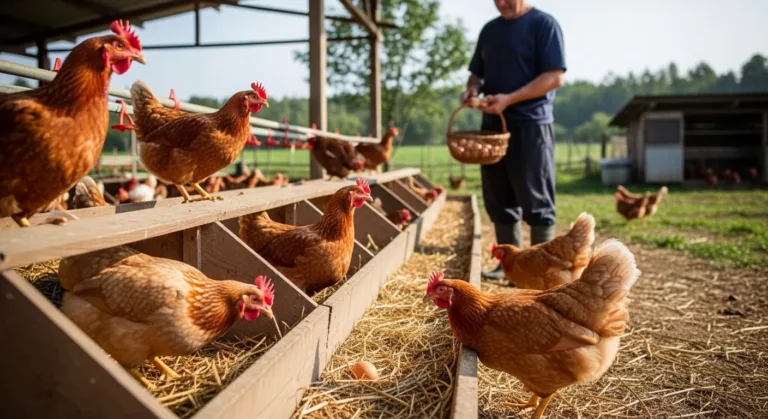
Space and comfort matter too. Happy hens lay more eggs, it’s that simple! They need clean coops with good ventilation, nesting boxes where they feel safe laying eggs, and enough room to move around. Crowded, stressed hens lay fewer eggs and can even get sick. At Multanfarms.com, farmers understand that treating hens well isn’t just kind, it’s good business!
Why Do Farmers Choose to Raise Laying Hens?
You might wonder why someone would want to raise laying hens. Well, there are some pretty good reasons! First off, eggs are always in demand. People eat eggs for breakfast, use them in baking, and include them in tons of recipes. Unlike some crops that are seasonal, eggs are needed year-round. This makes laying hens a reliable source of income for farmers.
Second, laying hens don’t require a huge amount of space. You can raise a decent number of hens in a relatively small area compared to cattle or pigs. This makes them perfect for smaller farms or people just starting out. Some people even raise a small flock of laying hens in their suburban backyards!
Third, the startup costs are reasonable. You don’t need expensive machinery or huge buildings like you might for other types of farming. A good coop, quality feed, and healthy chicks can get you started. It’s like starting a lawn-mowing business instead of opening a car wash, lower initial investment, quicker returns.
Finally, laying hens produce something valuable almost every single day. Imagine having a job where you create a product daily that people want to buy. That’s pretty cool! Many farmers sell eggs at farmers’ markets, directly to neighbors, or to local stores and restaurants.
What Challenges Do Laying Hen Farmers Face?
Of course, raising laying hens isn’t all sunshine and fresh eggs. There are some real challenges that farmers need to handle. Understanding these challenges helps you appreciate what goes into producing the eggs you eat!
Predators are a constant worry. Foxes, raccoons, hawks, snakes, and even neighborhood dogs would love to have chicken for dinner. Farmers need secure coops with strong fencing and locks. It’s like protecting your bike with a good lock, you can’t just leave it anywhere and hope for the best.
Disease can spread quickly in a flock. When chickens live together in groups, one sick bird can infect others fast. Farmers need to watch for signs of illness, keep coops clean, and sometimes vaccinate their birds. Prevention is way easier than trying to cure a sick flock.
Egg production changes with seasons. Hens naturally lay fewer eggs during winter when days are shorter because light triggers their egg-laying cycle. Some farmers use special lights in coops to trick hens into thinking it’s still summer, keeping production steady. Others just accept the natural cycle and plan accordingly.
Feed costs can really add up. Since laying hens eat every day and need quality nutrition, feed becomes one of the biggest expenses. When grain prices go up, it cuts into profits. Smart farmers look for ways to reduce feed costs, like letting hens forage for bugs and plants, which also makes them healthier!
Different Ways to Raise Laying Hens
Not all laying hen farms look the same! There are actually several different systems farmers use, and each has pros and cons. Let’s explore the main types:
Free-range farming means hens can go outside and roam around during the day. They get to scratch in the dirt, eat bugs, take dust baths, and act like natural chickens. These hens are usually healthier and happier, and their eggs often have richer, darker yolks. However, this method needs more space and better predator protection.
Cage-free farming keeps hens inside a barn but without individual cages. They can walk around, socialize, and use nesting boxes. It’s kind of like the difference between having your own bedroom where you can move freely versus being stuck in a sleeping bag all day.
Conventional cage systems keep hens in small cages in climate-controlled buildings. This method can produce lots of eggs efficiently and protects birds from predators and weather. However, the hens have very limited movement, which raises animal welfare concerns.
Pasture-raised farming is like free-range on steroids! Hens spend most of their time outdoors on grass, moving to fresh ground regularly. This produces really high-quality eggs but requires lots of land and careful management.
At Multanfarms.com, we believe farmers should choose the system that works best for their situation while keeping hen welfare in mind. Different approaches work for different farms!
The Amazing Impact of Laying Hens
Laying hens are more than just egg-making machines, they’re pretty important to our world! Eggs provide affordable, high-quality protein to millions of people globally. They’re one of the most nutritious foods you can eat, packed with vitamins, minerals, and all the essential amino acids your body needs.
Beyond nutrition, laying hens can be part of sustainable farming. Their manure makes excellent fertilizer for gardens and fields. Some farmers let hens into gardens after harvest to eat bugs and weeds while fertilizing the soil. It’s nature’s recycling system in action!
Small-scale laying hen farming also helps families in developing countries. A few hens can provide a family with food and income, making a real difference in people’s lives. It’s amazing how these relatively small birds can have such a big impact.
Your Egg-cellent Takeaway
So there you have it, laying hens are seriously fascinating birds! They’re specialized egg-producing champions that need proper care, nutrition, and housing to do their job well. From the biology of how they create eggs to the different farming methods used to raise them, there’s so much more to laying hens than meets the eye.
Next time you crack open an egg for breakfast, maybe you’ll think about the amazing hen that produced it. Whether those eggs come from a huge commercial farm or a small backyard flock, there’s a laying hen working hard behind that perfect breakfast. Pretty cool when you think about it, right?
Have you ever wondered what it would be like to raise your own laying hens? Maybe it’s something worth exploring, whether as a future farmer or just someone who wants fresh eggs in their backyard!