Have you ever tasted something so delicious that it made you want to learn its secret recipe? Well, get ready to discover the mouthwatering world of Multan’s famous foods! This ancient city in Pakistan isn’t just known for its stunning shrines and hand-woven carpets, it’s also a paradise for food lovers. From sweet treats that melt in your mouth to savory dishes that make your taste buds dance, Multan has been serving up incredible flavors for thousands of years.
Multan, often called the “City of Saints,” has a food culture that’s as rich as its history. The city’s location made it a crossroads for traders traveling the ancient Silk Road, and guess what? They didn’t just bring silk and spices, they brought recipes and cooking techniques from all over the world! Today, when you eat Multan’s famous food, you’re actually tasting a delicious mix of Persian, Central Asian, and local Pakistani flavors all rolled into one.
So what makes Multan’s cuisine stand out from other cities in Pakistan? Let’s dive into the tasty details and explore the dishes that have made this city a must-visit destination for food enthusiasts everywhere!
The Sweet Crown Jewel: Sohan Halwa
If Multan had a food mascot, it would definitely be Sohan Halwa. This isn’t your average candy, it’s a traditional sweet that’s so famous, people travel from across the country just to buy the authentic version! Imagine a combination of caramelized sugar, cornflour, milk, and ghee (that’s clarified butter), all cooked together until it becomes this beautiful, golden-brown treat. The texture is kind of chewy but also melts in your mouth, sort of like a cross between fudge and taffy.
What makes Sohan Halwa extra special is that it’s topped with slivers of pistachios and almonds, giving it a nice crunch. The recipe has been passed down through generations, and some sweet shops in Multan have been making it the exact same way for over a hundred years! The most famous spots even have secret family recipes that they guard like treasure. When you visit Multan, you’ll see colorful boxes of Sohan Halwa everywhere, packaged up as gifts because locals know it’s the perfect souvenir.
Here’s a fun fact: making Sohan Halwa is actually pretty difficult. The mixture has to be stirred constantly for hours in huge pots, and the temperature needs to be just right. If it’s too hot, it burns. Too cool, and it won’t set properly. That’s why the professionals do it best!
The King of Mangoes
Did you know that some of the world’s most delicious mangoes come from the farms around Multan? During summer, the city becomes mango central, and the variety that steals the show is called Sindhri. These mangoes are huge, super sweet, and have this incredible honey-like flavor that’s hard to describe until you’ve tried one yourself.
But Multanis don’t just eat mangoes plain (though that’s pretty amazing too). They’ve created all sorts of creative mango dishes! There’s mango lassi, a thick yogurt drink blended with fresh mango that’s perfect for cooling down on hot days. There are also mango pickles, which might sound weird if you’ve never tried them, but they’re tangy, spicy, and absolutely addictive. Some families even make mango jam and preserve it to enjoy the taste of summer all year long.
The mango season is such a big deal in Multan that it almost feels like a celebration. Street vendors set up carts overflowing with golden-yellow fruit, and the sweet smell of ripe mangoes fills the air. It’s the kind of experience that makes you understand why people say Multan’s mangoes are truly special.
Spicy and Savory: Traditional Main Dishes
While sweets and mangoes get a lot of attention, Multan’s savory dishes are equally incredible. One standout is Multani Sajji, a dish that shows the city’s connection to Balochi cuisine. Picture a whole chicken or leg of lamb, marinated with just salt and sometimes a few local spices, then slow-roasted on skewers over an open fire. The result? Meat that’s so tender it practically falls off the bone, with a smoky flavor that you just can’t get from a regular oven.
Another local favorite is Khichra, which is kind of like a thick stew made with wheat, barley, lentils, and meat all cooked together until everything blends into one hearty dish. It’s comfort food at its finest, especially during the cooler months. Families often make huge pots of it and share it with neighbors, making it more than just food, it’s about community and togetherness.
Don’t forget about the bread! Multanis love their tandoori naan and roghni naan (that’s naan brushed with ghee and sprinkled with sesame seeds). These fresh-baked breads come straight from clay ovens called tandoors, and they’re the perfect companion for soaking up all the delicious curries and gravies.
Street Food Adventures
If you want to experience Multan like a local, you’ve got to try the street food. The city’s bustling bazaars and food streets come alive in the evenings, with vendors cooking up quick, tasty snacks that are super affordable. Samosas are everywhere, those crispy triangular pastries filled with spiced potatoes or meat that make the perfect after-school snack.
Then there’s gol gappay (also called pani puri in some places), which are these hollow, crispy shells filled with tangy tamarind water, chickpeas, and potatoes. Eating them is almost like a sport, you pop the whole thing in your mouth at once and get this explosion of flavors! It’s sour, spicy, and sweet all at the same time.
For something more filling, grab some seekh kababs, which are spiced ground meat shaped onto skewers and grilled over charcoal. Wrapped in fresh naan with some mint chutney and onions, they make a meal that’s simple but absolutely delicious. The smoke from the grills, the sizzling sounds, and the amazing smells make the street food experience in Multan something you won’t forget.
Dried Fruits and Nutty Traditions
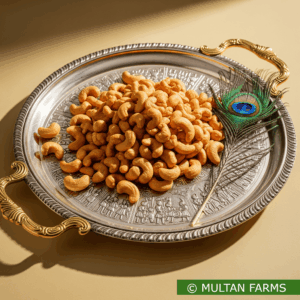
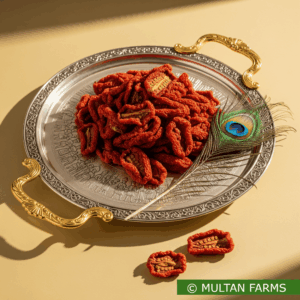
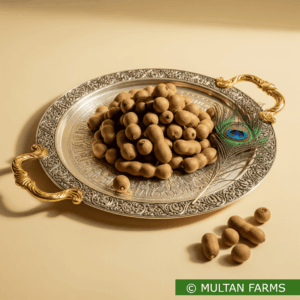
Multan has another food claim to fame that might surprise you: dried fruits and nuts. The region’s hot, dry climate is perfect for sun-drying fruits, and locals have been doing it for centuries. You’ll find shops selling beautiful displays of dried apricots, figs, dates, and raisins, all naturally sweetened by the sun.
These aren’t just snacks, they’re also used in cooking. Multani cooks add dried fruits to rice dishes called pulao, creating a sweet and savory combination that’s really unique. They also make special nut brittles and fruit-based sweets, especially during festivals and celebrations. The tradition of drying fruits is so important in Multan that it’s actually part of the city’s agricultural identity, much like the farms at Multanfarms.com that preserve and promote local food traditions.
Why Multan’s Food Culture Matters Today
So why should you care about food from a city that might be thousands of miles away? Well, understanding different food cultures helps us appreciate how people around the world have created amazing flavors using whatever grows naturally in their region. Multan’s famous food tells the story of farmers who grew mangoes and wheat under the hot sun, traders who brought new spices along ancient routes, and families who perfected recipes over generations.
The food traditions of Multan remind us that the best dishes often come from simple, fresh ingredients prepared with care and patience. Whether it’s the hours spent stirring Sohan Halwa or the careful selection of the ripest mangoes, Multanis take pride in their culinary heritage. Today, while the world moves faster and faster, cities like Multan show us that some things, like traditional food-making, are worth keeping slow and authentic.
Next time you try something new and delicious, think about the story behind it. Where did the ingredients come from? Who first invented the recipe? What makes it special to the people who make it? That’s what makes food more than just fuel for your body, it becomes a connection to cultures, histories, and people across the world. And who knows? Maybe you’ll be inspired to explore the flavors of Multan yourself someday!