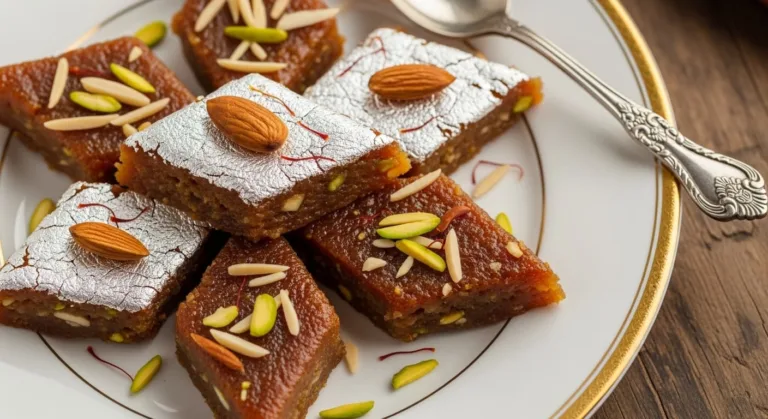
Imagine biting into a piece of candy that’s unlike anything you’ve ever tasted before. It’s sweet, chewy, and has layers of flavor that seem to dance on your tongue. It melts in your mouth, leaving behind hints of saffron, cardamom, and pure ghee (clarified butter). This isn’t just any candy, this is Sohan Halwa, and when it comes from Multan, Pakistan, it’s considered one of the most special sweets in the entire country!
Sohan Halwa from Multan has been famous for over a century. People travel from all corners of Pakistan just to buy the authentic version of this delicious treat. But here’s something you might be wondering: why does this particular sweet have such a big reputation, and more importantly, how much does it actually cost? The price of Sohan Halwa can vary quite a bit, and understanding why helps you appreciate this amazing sweet even more.
In this article, we’re going to explore everything about Sohan Halwa from Multan, from what makes it so special to what affects its price. You’ll discover the traditional process of making it, learn why Multan’s version stands out from all the rest, and find out what you should expect to pay when you’re buying this legendary sweet. Get ready for a delicious journey!
What Exactly Is Sohan Halwa and Why Is It So Special?
Sohan Halwa is a traditional Pakistani sweet that’s been made in Multan for generations. Think of it as a cross between taffy and fudge, but with a unique texture that’s all its own. It’s dense, chewy, and incredibly rich, made from ingredients like corn flour, sugar, ghee, milk, and flavored with spices like cardamom and saffron.
What makes Sohan Halwa different from other sweets is the incredible amount of work that goes into making it. The mixture has to be stirred constantly for hours over a wood fire (yes, actual wood, not a modern stove!). This continuous stirring is like giving your arms the ultimate workout, it requires strength, patience, and skill. The halwa makers, called halwais, sometimes stir for 6 to 8 hours straight to get the texture just right.
The result is a sweet that has a glossy appearance and a texture that’s firm but not hard. When you pull it apart, you can see the layers, almost like looking at rock formations that have built up over time. The top is often decorated with pistachios, almonds, or even edible silver foil called warq, which makes it look as beautiful as it tastes.
Here’s a fun fact: Sohan Halwa was traditionally made for royalty and special occasions. Even today, it’s considered a premium gift to bring when visiting someone’s home or celebrating important events like weddings and festivals!
Why Does Multan’s Sohan Halwa Stand Out From the Rest?
You might find Sohan Halwa in other Pakistani cities, but Multan’s version has earned legendary status. So what makes Multan’s Sohan Halwa the champion? It’s a combination of tradition, technique, and local ingredients that create something truly unique.
First, Multan has been making Sohan Halwa for over 100 years. That’s older than your great-great-grandparents! This long history means the recipes and techniques have been perfected and passed down through generations of halwai families. These families guard their recipes like precious secrets, with each generation learning the exact proportions and timing that make their halwa special.
The water in Multan is said to play a role too. Local halwais insist that the mineral composition of Multan’s water contributes to the unique taste and texture. It’s kind of like how certain pizzas taste best in New York or how champagne can only truly come from the Champagne region of France. Geography matters!
The traditional wood fire method is still used by authentic Sohan Halwa makers in Multan. While some modern producers have switched to gas stoves for convenience, the old-school shops stick with wood because it gives the halwa a subtle smoky flavor that you can’t replicate any other way. It’s the difference between a backyard barbecue and something cooked in a microwave, one just tastes more authentic.
Another factor is the quality of ingredients. Multan’s famous shops use pure desi ghee (not cheaper vegetable oil), real saffron (not artificial coloring), and high-quality nuts. These premium ingredients cost more, but they make a huge difference in taste and quality.
What Affects the Price of Sohan Halwa in Multan?
Now let’s talk about the money part! The price of Sohan Halwa in Multan can range quite a bit, and several factors determine how much you’ll pay. Understanding these factors helps you know if you’re getting a fair deal.
Quality and authenticity are the biggest price factors. Authentic, traditionally made Sohan Halwa from famous shops in Multan’s old city costs more than mass-produced versions. As of 2024-2026, genuine Multani Sohan Halwa typically ranges from about 1,200 to 2,500 rupees per kilogram (that’s about 2.2 pounds). The fancier versions with extra nuts and real saffron can cost even more, sometimes reaching 3,000 rupees or higher per kilogram.
The ingredients directly impact the price. Real ghee costs significantly more than vegetable oil. Pure saffron is one of the most expensive spices in the world (it can cost more than gold by weight!). Shops that use authentic, high-quality ingredients charge more because their production costs are higher.
Brand reputation plays a role too. Famous, established shops with decades of history can charge premium prices because people trust their quality. It’s similar to how a designer brand t-shirt costs more than a plain one from a regular store, you’re paying partly for the name and the guaranteed quality.
Packaging affects the final price as well. Sohan Halwa sold in simple paper or basic plastic containers costs less than beautifully packaged boxes with decorative designs, perfect for gifting. Think of it like buying a toy, the toy itself might be the same, but fancy packaging for gift-giving adds to the cost.
Seasonal demand can push prices up during certain times of year. During Eid festivals, weddings season, and winter months (when sweets are more popular), prices often increase because demand shoots up. It’s basic economics: when more people want something, prices tend to rise.
Where Can You Buy Authentic Sohan Halwa and What Should You Expect to Pay?
If you’re planning to buy Sohan Halwa in Multan, knowing where to go and what to expect helps you get the best experience. The city has several famous shops, each with its own loyal customers and unique character.
The old city area of Multan is where you’ll find the most traditional and famous halwa shops. Places near Hussain Agahi Bazaar have been serving Sohan Halwa for generations. These shops often have long lines, especially during peak seasons, which is actually a good sign! Long lines usually mean the product is fresh and popular.
When you visit these shops, you’ll typically find Sohan Halwa sold by weight. You can buy as little as 250 grams (a small portion for personal enjoyment) or several kilograms for gifts or family gatherings. Smaller quantities might cost slightly more per kilogram because of packaging and handling.
Some shops offer different grades or types. The premium versions might include extra dry fruits, real saffron strands you can actually see, and elaborate packaging. These can cost 2,000 to 3,000 rupees per kilogram or more. The standard versions are still delicious but have fewer nuts and simpler packaging, typically ranging from 1,200 to 1,800 rupees per kilogram.
Here’s a helpful tip: don’t be afraid to ask for a small taste before buying! Many shops are happy to let you sample their Sohan Halwa. This way, you can experience the texture and flavor before committing to a purchase. If a shop refuses to let you taste it, that might be a red flag about quality.
For those outside Multan, many authentic shops now offer online ordering through websites and platforms like Multanfarms.com. They’ll package the halwa carefully and ship it to your city. Expect to pay a bit extra for shipping, but it’s worth it to get the real deal delivered to your doorstep!
How Can You Tell If You’re Getting Real, High-Quality Sohan Halwa?
With something as famous as Multani Sohan Halwa, you’ll unfortunately find some sellers trying to pass off lower-quality versions as the real thing. Learning to spot authentic, high-quality Sohan Halwa protects you from disappointment and wasted money.
Color is your first clue. Genuine Sohan Halwa has a rich, golden-brown color that comes from hours of slow cooking and the natural caramelization of sugar. If it’s too light or looks artificially colored, be suspicious. The color should be consistent throughout, not patchy or uneven.
Texture tells you a lot. Real Sohan Halwa should be firm but not rock-hard. When you bite into it, it should have some chew to it, but it shouldn’t stick to your teeth like cheap taffy. You should be able to see layers when you break it apart, which shows it was properly cooked and stirred.
Aroma is another giveaway. Quality Sohan Halwa has a rich, buttery smell with hints of cardamom and saffron. If it smells artificial, too sweet, or has no aroma at all, it’s probably not authentic. Your nose knows, trust it!
Taste is the ultimate test. Real Multani Sohan Halwa has a complex flavor profile. You should taste the ghee, the subtle spices, and a balanced sweetness that’s not overwhelming. The nuts (if included) should be fresh and crunchy, not stale or soft.
Watch out for these warning signs of lower quality: extremely cheap prices (if it’s too good to be true, it probably is), artificial food coloring, excessive greasiness from vegetable oil instead of ghee, or a strange chemical taste from artificial flavors.
What’s the Cultural Significance Behind the Price?
Understanding why people willingly pay premium prices for Multani Sohan Halwa requires knowing its cultural importance. This isn’t just about a sweet treat, it’s about tradition, pride, and cultural heritage.
In Pakistani culture, bringing Sohan Halwa as a gift shows respect and thoughtfulness. When someone visits Multan and returns home, friends and family expect them to bring back this famous sweet. It’s become such a strong tradition that people actually judge the visit partly by whether authentic Sohan Halwa was brought back! Imagine if everyone expected you to bring back a specific souvenir from every vacation, that’s the kind of pressure we’re talking about.
The halwais (sweet makers) who produce authentic Sohan Halwa are respected craftsmen in their communities. Making Sohan Halwa is considered an art form that requires years to master. When you pay premium prices, you’re supporting these artisans and helping preserve a craft that’s been passed down through generations. It’s similar to buying handmade crafts instead of factory-produced items, you’re paying for skill, tradition, and authenticity.
Sohan Halwa also represents Multan’s identity. The city is known as the “City of Saints,” but it’s also famous for its mangoes and Sohan Halwa! When people pay higher prices for the authentic version, they’re acknowledging and celebrating Multan’s unique contribution to Pakistani cuisine and culture.
Wrapping It All Up
So, what have we learned about Sohan Halwa from Multan and its price? This legendary sweet isn’t just candy, it’s a piece of Pakistani cultural heritage that’s been perfected over more than a century. The price you pay reflects the quality of ingredients, the traditional cooking methods, the skill of the halwai, and the reputation of the shop you’re buying from.
Whether you’re paying 1,200 rupees for a basic kilogram or splurging on a 3,000 rupee premium version with extra nuts and saffron, you’re getting something truly special. The hours of hand-stirring over a wood fire, the pure ghee, the real spices, and the generations of expertise all combine to create a sweet that’s worth every rupee.
Next time you see Sohan Halwa from Multan, whether at a local sweet shop or online at sites like Multanfarms.com, you’ll understand the story behind its price. You’ll know that you’re not just buying a sweet, you’re tasting history, supporting traditional craftsmanship, and experiencing one of Pakistan’s most beloved culinary treasures.
So here’s a question to leave you thinking: if you had the chance to visit Multan and watch halwais make Sohan Halwa using century-old techniques over a wood fire, would you appreciate its price even more? Sometimes understanding where something comes from and how it’s made transforms it from just a product into something truly meaningful!