Imagine biting into a sweet, golden treat that’s so delicious, it’s been making people’s mouths water for over a hundred years. That’s exactly what happens when you try Sohan Halwa from Multan! This isn’t just any ordinary sweet, it’s a legendary dessert that has turned the city of Multan into Pakistan’s candy capital. People from all over the country, and even the world, make special trips just to buy boxes of this incredible halwa to take home.
But here’s something interesting: while Multan is famous for its Sohan Halwa, there’s another city in India called Rewari that also claims to make the best sohan halwa. So what’s the connection? Are they the same thing? And why is Multan’s version so incredibly special? The story behind this sweet treat is as rich and layered as the halwa itself, filled with history, tradition, and some serious cooking skills.
In this article, you’ll discover what makes Sohan Halwa unique, why Multan became the go-to place for this dessert, how it’s different from other sweets, and what goes into making this golden delicacy. Get ready to learn about one of Pakistan’s most treasured treats!
The Tale of Two Cities: Multan vs. Rewari
Here’s where things get really interesting. Both Multan in Pakistan and Rewari in India are famous for making sohan halwa, but they developed their recipes independently over many years. It’s kind of like how two different pizza makers in different countries might create their own special styles, both delicious but each unique in its own way.
Rewari’s version tends to be thinner, crispier, and breaks apart more easily, almost like a chewy candy. It’s been made in that Indian city for generations, and locals there take enormous pride in their recipe. Multan’s Sohan Halwa, on the other hand, is thicker, denser, and has a rich, almost fudge-like texture. It’s softer and melts in your mouth differently than Rewari’s version.
Think of it like comparing chocolate chip cookies from two famous bakeries. They’re both chocolate chip cookies, they both use similar ingredients, but the final taste and texture can be totally different. That’s exactly what happened with sohan halwa in these two cities!
What Exactly is Sohan Halwa?
So what is this magical sweet that everyone’s talking about? Sohan Halwa is a traditional dessert made primarily from corn flour, sugar, milk, ghee (clarified butter), and flavored with cardamom and saffron. The ingredients might sound simple, but creating perfect Sohan Halwa is actually super difficult and requires years of practice.
The process involves cooking these ingredients together in huge, heavy-bottomed pans called “degs” over a controlled flame for hours and hours. It’s not like baking cookies where you can just pop them in the oven and set a timer. Making Sohan Halwa requires constant stirring, careful attention to temperature, and knowing exactly when the mixture has reached the perfect consistency. One wrong move, and you could end up with something too hard, too soft, or burnt.
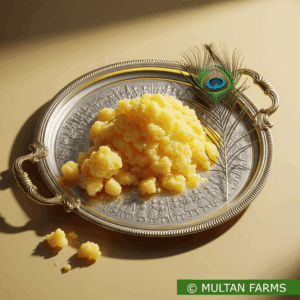
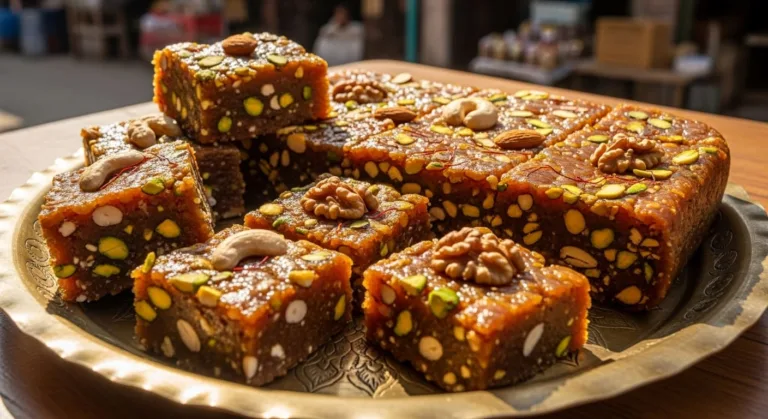
The finished product has a beautiful golden-brown color, thanks to the caramelized sugar and ghee. It’s often decorated with slivered almonds or pistachios on top, which add a nice crunch to contrast with the smooth, chewy texture underneath.
Why Multan Became the Sohan Halwa Capital
Multan didn’t become famous for Sohan Halwa by accident. This ancient city, which is over 5,000 years old, has always been a center for trade and craftsmanship. Several factors made it the perfect place for this sweet to flourish.
First, Multan has always had access to high-quality ingredients. The region produces excellent milk and ghee, which are essential for making great halwa. Second, the city’s location on historic trade routes meant that expensive spices like saffron could be obtained more easily. But most importantly, Multan developed a culture of master halwa makers who passed their secrets down through generations.
The most famous halwa shops in Multan have been in the same families for decades, sometimes over a century! These families guard their exact recipes like precious treasures. Each shop has its own slight variation in taste and texture, which is why people often have fierce loyalty to their favorite halwa shop. It’s like how some people swear by one burger chain while others prefer a different one, except these recipes have been perfected over generations.
The Secret Science Behind Perfect Sohan Halwa
Making Sohan Halwa isn’t just cooking, it’s actually a combination of art and science. Let me break down what happens in that big cooking pot, and you’ll see why it’s so tricky to get right.
When you heat sugar and milk together, a process called the Maillard reaction begins. This is the same chemical reaction that makes bread turn golden brown when you toast it, or gives grilled meat its delicious crust. In Sohan Halwa, this reaction creates hundreds of new flavor compounds that give the sweet its complex, rich taste.
The corn flour acts as a thickening agent, kind of like how cornstarch thickens gravy. As the mixture cooks and the water evaporates, the proteins and sugars bond together in a specific way. The halwa makers need to cook it to exactly the right point, too early and it’ll be gooey, too late and it’ll be hard as a rock.
The ghee plays multiple roles. It prevents the mixture from sticking to the pan, adds richness and flavor, and helps create that smooth, shiny surface you see on quality Sohan Halwa. The continuous stirring distributes the heat evenly and prevents burning, which is why making large batches requires serious arm strength!
How Sohan Halwa Became a Cultural Icon
Over the years, Multan’s Sohan Halwa has become more than just a sweet, it’s become a symbol of the city itself. When people travel to Multan, buying boxes of Sohan Halwa to take home is almost mandatory. It’s the most popular gift to bring back for family and friends.
The sweet has also become associated with celebrations and special occasions. Weddings, Eid celebrations, and other important events often feature Sohan Halwa as a special treat. Some families have traditions of always buying their Sohan Halwa from the same shop, continuing a relationship that might go back to their grandparents’ generation.
Interestingly, Sohan Halwa has adapted to modern times while keeping its traditional heart. While the old shops still make it the same way they did a century ago, using the same type of pans and cooking methods, they’ve updated their packaging and marketing. Now you can find beautifully designed boxes that make the halwa perfect for gifting, and some shops even ship internationally so people around the world can taste Multan’s famous sweet.
The Halwa Experience: More Than Just Taste
Eating Sohan Halwa is a complete sensory experience. First, there’s the visual appeal, that gorgeous golden-brown color with jewel-like nuts scattered on top. Then comes the aroma, a warm, sweet smell with hints of cardamom and saffron that makes your mouth water immediately.
When you take a bite, you notice the texture first. Good Sohan Halwa should be chewy but not sticky to your teeth. It should have enough structure to hold together but melt smoothly in your mouth. The flavor is complex, sweet but not overwhelming, with nutty notes from the ghee and aromatic touches from the spices.
Many people describe eating authentic Multan Sohan Halwa as almost magical. It’s one of those treats that tastes even better because of the history and tradition behind it. Knowing that you’re eating something made using techniques passed down for generations somehow makes it more special.
Why This Sweet Treat Still Matters Today
In our modern world of mass-produced candy and instant desserts, you might wonder why something as labor-intensive as Sohan Halwa still thrives. The answer is simple: people value authenticity and tradition. There’s something irreplaceable about food made with skill, patience, and love.
Multan’s Sohan Halwa represents a living connection to the past. When you eat it, you’re experiencing the same flavors that people enjoyed decades or even centuries ago. In a way, it’s like time travel through taste! The halwa makers of Multan are keeping alive a craft that could easily disappear in the rush toward faster, cheaper production.
Plus, in an age where everything seems to be changing rapidly, there’s comfort in knowing that some things remain constant. The same shops, using the same methods, creating the same delicious results, that consistency is precious.
A Sweet Legacy Worth Preserving
Multan’s Sohan Halwa is more than just a dessert, it’s a piece of cultural heritage wrapped in golden sweetness. Whether you compare it to Rewari’s version or enjoy it on its own merits, there’s no denying that this treat has earned its legendary status through generations of dedication and skill.
The next time you have a chance to try authentic Sohan Halwa from Multan, remember that you’re not just eating candy. You’re tasting history, tradition, and the result of knowledge passed down through countless generations. You’re experiencing something that has brought joy to millions of people and turned an ancient city into the sweet capital of Pakistan.
So here’s a question for you: if you had the chance to visit Multan and try fresh Sohan Halwa straight from one of the legendary shops, which would matter more to you, the incredible taste or the amazing story behind it? Maybe, just maybe, that’s the real secret of Sohan Halwa’s success, it’s a perfect blend of both!