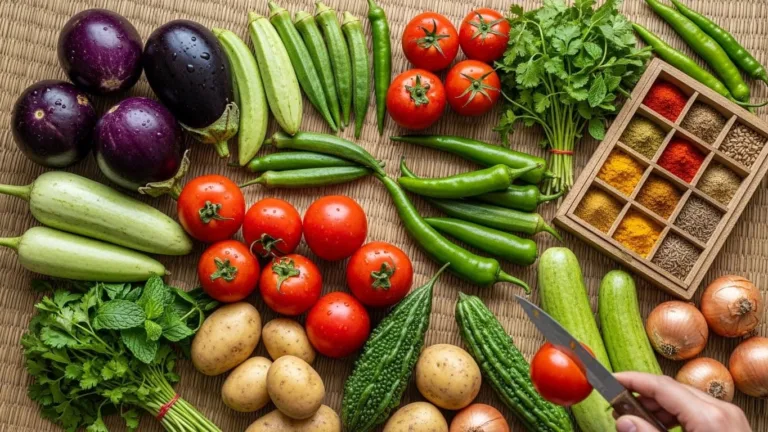
Imagine walking through a bustling Pakistani market on a sunny morning. You’re surrounded by mountains of colorful vegetables, each pile more vibrant than the last. There are deep purple eggplants, bright green chilies, ruby red tomatoes, and vegetables you might not even recognize. The air is filled with the earthy smell of fresh produce, and vendors are calling out their best prices. This is where the magic of Pakistani vegetables comes to life!
Pakistan might not be the first country you think of when someone mentions vegetables, but it should be. This South Asian nation grows an incredible variety of vegetables, from common ones you’d find anywhere to unique varieties that have been cultivated for centuries. The country’s diverse climate, ranging from snowy mountains to hot plains and coastal areas, means farmers can grow almost anything. Whether it’s the heat-loving okra or cool-weather cauliflower, Pakistani soil produces it all.
In this article, we’ll explore the fascinating world of Pakistani vegetables, discover which ones are most popular, learn why they taste so good, and understand how farms like Multanfarms.com are keeping these traditions alive. You’ll also find out about some vegetables that might surprise you and learn why what grows in Pakistani soil is so important for feeding millions of people. Let’s dig in!
The Superstars of Pakistani Vegetable Gardens
When you think about Pakistani vegetables, certain stars immediately come to mind. Okra, called “bhindi” in Urdu, is probably one of the most beloved vegetables in the country. It’s that long, green, slightly fuzzy vegetable that some people love and others, well, not so much because of its slimy texture when cooked. But in Pakistan, cooks have mastered the art of preparing it so it’s crispy, delicious, and absolutely addictive. It grows particularly well in the hot summer months, thriving in temperatures that would make other vegetables wilt.
Spinach (called “palak”) is another champion vegetable in Pakistan. Unlike the spinach you might see in a can, fresh Pakistani spinach has tender leaves and a slightly sweet taste. Farmers grow it during the cooler months, and it’s a key ingredient in one of Pakistan’s most famous dishes, saag (a thick, flavorful spinach curry). The spinach grown in places like Punjab is so good that people will drive miles just to get the freshest bunches from local farms.
Then there’s the mighty eggplant or “baingan,” which comes in all shapes and sizes in Pakistan. You’ll find long, slender purple ones, round fat ones, and even white varieties. Pakistani cooks stuff them, fry them, curry them, and even smoke them to make a delicious dish called baingan bharta. The eggplant is so versatile that it’s like the Swiss Army knife of Pakistani vegetables!
Don’t forget about bitter gourd (karela), which might sound unappetizing because of its name, but it’s actually packed with nutrients and is believed to have amazing health benefits. Yes, it’s bitter, but Pakistani cooks know exactly how to balance that bitterness with spices and other ingredients to create something surprisingly tasty.
Vegetables That Love Pakistan’s Climate
Pakistan’s geography is like a buffet of different climates all in one country, and this diversity is perfect for growing vegetables. In the northern regions, where it’s cooler, farmers grow vegetables like cauliflower, cabbage, peas, and carrots. These are called cool-season crops because they actually prefer chilly weather. Think of them as the vegetables that wear sweaters and enjoy cold mornings!
The central plains, especially in Punjab and Sindh, are perfect for warm-season vegetables. This is where you’ll find massive fields of tomatoes, peppers, cucumbers, and squash growing under the hot sun. These vegetables are like sun worshippers, they need that heat to develop their flavors and grow big and juicy. The soil in these regions is incredibly fertile, thanks to rivers like the Indus that have been depositing nutrient-rich sediment for thousands of years.
In the southern coastal areas, the humid climate allows for year-round vegetable production. Farmers there can grow multiple crops in a single year, rotating between different vegetables as seasons change. It’s like having a vegetable garden that never sleeps! This is especially important for vegetables like cucumbers and squash that need consistent warmth and moisture.
At farms like Multanfarms.com, understanding these climate zones is crucial. Modern farmers use this knowledge to plant the right vegetables at the right time, ensuring the best possible harvest and the tastiest produce.
Traditional Vegetables You Won’t Find Everywhere
Here’s where things get really interesting. Pakistan grows several vegetables that are either unique to the region or are varieties that have been specially adapted over centuries. Tinda, also called Indian round gourd or apple gourd, is a small, green, squash-like vegetable that’s hugely popular in Pakistani cuisine. It looks kind of like a green apple but tastes more like a mild zucchini. You probably won’t find it at your local grocery store outside of South Asian communities!
Tori (also known as ridge gourd or luffa) is another uniquely South Asian vegetable. It’s long and green with ridged skin, and when cooked, it has a slightly sweet, delicate flavor. Fun fact: if you let it dry out completely, it becomes a natural scrubbing sponge! But trust me, it tastes way better when eaten fresh.
Arvi (taro root) isn’t technically a vegetable that grows above ground, but it’s a starchy root that’s incredibly popular in Pakistani cooking. The leaves of the taro plant are also eaten, usually cooked into a thick, delicious curry. It’s been grown in the region for so long that it’s practically part of the cultural heritage.
These traditional vegetables aren’t just food, they’re part of Pakistan’s agricultural history. They’ve been passed down through generations of farmers who saved seeds, shared growing techniques, and kept these varieties alive.
Why Do Pakistani Vegetables Taste So Good?
Have you ever noticed that vegetables from a local farm taste way better than the ones that have traveled hundreds of miles to reach a supermarket? That’s definitely true for Pakistani vegetables. The secret isn’t just one thing, it’s a combination of factors that all work together.
First, there’s the soil quality. Pakistan’s farmland, especially in Punjab and Sindh, has been enriched by river systems for millennia. This means the soil is naturally loaded with nutrients that vegetables need to grow strong and flavorful. It’s like the difference between eating a meal with all the right vitamins versus eating junk food, the quality of what goes in affects what comes out.
Second, many Pakistani farmers still use traditional farming methods that prioritize taste over mass production. They might use natural fertilizers like compost and animal manure instead of harsh chemicals. They water their crops carefully and harvest them at just the right moment of ripeness. At operations like Multanfarms.com, there’s a balance between modern efficiency and time-tested techniques that respect the land.
Third, the climate and sunshine play a huge role. Pakistani vegetables get plenty of strong sunlight, which helps them develop sugars and flavors. Think about how sweet a tomato tastes when it’s been ripened on the vine in full sun versus one that was picked green and ripened in a truck. That’s the Pakistani advantage right there!
How Modern Farms Are Changing the Game
Today’s Pakistani vegetable farmers are doing something really cool: they’re combining ancient wisdom with modern technology. Farms like Multanfarms.com use advanced techniques to grow better vegetables while still respecting traditional practices. They might use drip irrigation systems that deliver water directly to plant roots, saving water and making sure each plant gets exactly what it needs. It’s like having a personal water bottle for each vegetable!
Modern Pakistani farms also practice crop rotation, which means they don’t plant the same vegetable in the same spot year after year. Instead, they rotate different crops through their fields. This keeps the soil healthy, reduces pests naturally, and means they can grow vegetables without relying heavily on pesticides. It’s basically giving the soil a balanced diet instead of feeding it the same thing every day.
Some farms are even experimenting with greenhouse technology to extend growing seasons and protect delicate crops from extreme weather. Imagine a vegetable wearing a protective bubble that keeps it safe from too much heat, cold, or rain. That’s basically what a greenhouse does!
The Journey From Farm to Your Table
Ever wonder how those vegetables actually get from a farm in rural Punjab to a market in Karachi or even to your dinner plate? It’s quite a journey! Pakistani vegetables typically travel through a network of farmers, wholesalers, and retailers. Farmers harvest their crops early in the morning when it’s cool, bundle them up, and transport them to local markets or larger wholesale centers.
The faster this journey happens, the fresher and tastier the vegetables will be. That’s why farmers near cities have an advantage, their produce can be on someone’s table within hours of being picked. However, Pakistan is also developing better cold storage facilities and transportation systems to help vegetables from remote areas reach markets while staying fresh.
This whole system supports millions of people. When you buy Pakistani vegetables, you’re not just getting food, you’re supporting farmers, truck drivers, market vendors, and entire communities that depend on agriculture for their livelihood.
Why This All Matters for the Future
Pakistan’s vegetable farming industry isn’t just about today’s meals, it’s about feeding a growing population tomorrow. With over 220 million people calling Pakistan home, and that number growing every year, producing enough vegetables is serious business. The country needs farmers who understand both traditional practices and modern techniques to keep everyone fed.
Climate change is also making this work more challenging. Farmers are dealing with unpredictable weather patterns, water shortages in some areas, and new pests and diseases. But they’re adapting, using smarter irrigation, choosing heat-resistant varieties, and working together to solve problems. It’s like a real-life video game where the challenges keep getting harder, but the players keep leveling up their skills!
Wrapping Up Our Vegetable Adventure
From the humble okra to the unique tinda, Pakistani vegetables represent centuries of agricultural tradition combined with modern innovation. They’re grown in diverse climates by hardworking farmers who understand that quality matters just as much as quantity. Whether it’s a small family farm or a larger operation like Multanfarms.com, the goal is the same: producing nutritious, delicious vegetables that feed families and communities.
The next time you see Pakistani vegetables at a market or on your dinner plate, you’ll know there’s a whole story behind them. There’s the farmer who planted the seeds, the soil that nourished them, the sunshine that sweetened them, and the hands that carefully harvested them. Pretty amazing when you think about it, right? So here’s a question for you: which Pakistani vegetable would you most like to try, and why?