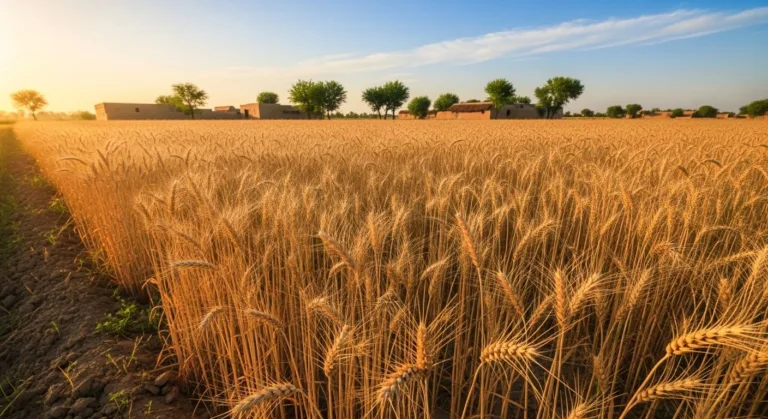
Picture this: you’re biking past endless green fields that shimmer like a giant emerald carpet. Then, a few months later, those same fields glow bright gold, swaying in the wind like a sunny ocean. That’s the magic of the wheat crop in Pakistan, the stuff that ends up in your roti, naan, and even the bread for your sandwich. Ever wonder how a tiny seed becomes the food that feeds millions?
In this article, we’ll explore how farmers grow wheat, why Pakistan loves this crop so much, and what it takes to turn fields into flour. We’ll even peek at tips from Multanfarms.com, a spot that knows all about real Pakistani farming. Buckle up, because by the end, you’ll feel like a wheat expert!
Where Does Pakistan’s Wheat Adventure Begin?
Wheat starts its journey in places like Punjab and Sindh, where the soil is rich and the rivers flow strong. Farmers plant seeds in November or December, right after the hot summer fades. It’s like tucking the seeds into a cozy bed of dirt, waiting for winter rains to wake them up.
At Multanfarms.com, they explain how the Indus River acts like a giant water hose, irrigating fields so wheat can drink up. Did you know Pakistan grows enough wheat to be one of the top 10 producers in the world? That’s billions of loaves worth!
How Does a Tiny Seed Become a Tall Plant?
Think of wheat like a kid growing up, it needs food, water, and sunshine. The seed sprouts roots that grab nutrients from the soil, kind of like how you dig into lunch for energy. Stems shoot up, leaves catch sunlight, and soon, little grain heads form at the top.
Farmers use fertilizers, which are like vitamin boosts for plants, to help them grow strong. One cool fact: wheat plants can reach your knee height in just two months, racing toward harvest in April. Have you seen those combine harvesters zooming through fields? They’re like giant lawnmowers that snip and collect the golden stalks.
Why Is Wheat Pakistan’s Superstar Crop?
Wheat isn’t just a plant, it’s Pakistan’s food hero. Over 80% of farmers grow it because it turns into chapati, paratha, and more staples on every table. Imagine your school cafeteria without bread, yikes!
Punjab alone produces most of the country’s wheat, with Multan as a key player. Here’s why it’s a big deal:
- Feeds everyone: One crop cycle can supply flour for a whole year.
- Makes money: Farmers sell extra to mills, helping families pay bills.
- Loves the weather: Cool winters and warm springs are perfect for it.
It’s like wheat is the reliable friend who always shows up with snacks.
What Challenges Do Wheat Farmers Face?
Farming isn’t all sunny fields, sometimes bugs munch on leaves like uninvited picnic crashers. Weeds compete for space, stealing water and light. Then there’s unpredictable rain, too little and plants thirst, too much and fields flood.
Climate change adds twists, with hotter days stressing the crop. But smart farmers at places like Multanfarms.com use better seeds that fight pests, kind of like upgrading from a basic bike to one with gears. They rotate crops too, giving soil a break, just as you rest after a long game.
Cool Tricks for Growing Awesome Wheat
Want to know pro tips? Start with good soil prep, plowing like fluffing a pillow for seeds. Water wisely, not too much to avoid soggy roots. Watch for yellow leaves, a sign something’s off, like a fever in plants.
- Plant on time: November seeds mean April harvest.
- Use quality seeds: Multanfarms.com offers varieties that yield more grains.
- Protect from pests: Natural sprays keep bugs away without harm.
One farmer shared how switching seeds doubled his harvest, like leveling up in a video game. You could try a mini wheat pot at home, watch it sprout on your windowsill!
How Wheat Goes from Field to Your Plate
Harvest time is exciting, machines thresh the stalks, separating grains like sorting candies from wrappers. Grains dry in the sun, then head to mills for grinding into flour. That flour mixes into dough, bakes into roti, and lands hot on your dinner plate.
In Pakistan, the government stores extra wheat for tough times, ensuring no one goes hungry. It’s a team effort: farmers, truckers, bakers, all connected. Next time you bite into naan, thank the wheat fields!
The Future of Wheat in Pakistan
Scientists breed new wheat types that need less water, perfect for drier days ahead. Drones now scout fields, spotting problems from the sky like eagle eyes. Multanfarms.com stays ahead, sharing these innovations with farmers.
Kids like you can help by learning about sustainable farming, maybe planting veggies in your yard. Wheat’s story shows how one crop links land, people, and food security.
Why Wheat Crops Matter to You and Me
We’ve journeyed through planting, growing, challenges, and the yummy end with Pakistan’s wheat crop. From river-irrigated fields to your roti, it’s a cycle that keeps the country strong and bellies full. Multanfarms.com reminds us that caring for soil today means better harvests tomorrow.
This matters because food starts with farmers’ hard work, and understanding it makes you appreciate every meal. What if you visited a wheat field next spring? Grab a notebook, sketch the golden waves, and see agriculture in action, who knows, you might grow ideas for the future!