Have you ever wondered why some clay feels different from others? If you’ve ever played with modeling clay or gotten your hands dirty in art class, you know that not all clay is created equal. But there’s one special type of clay that people have been using for thousands of years, and it’s called Multani Mitti. Now, here’s where it gets interesting: there’s actually a specific type called “pakki” Multani Mitti, and it’s pretty amazing once you understand what makes it unique.
Before we dive in, let’s clear something up. The word “pakki” in Hindi means “cooked” or “hardened.” So when we talk about pakki Multani Mitti, we’re talking about a special form of this clay that has been processed differently than the regular stuff. Think of it like the difference between raw cookie dough and a baked cookie. Both start from similar ingredients, but the process changes everything about them.
In this article, you’ll discover what makes pakki Multani Mitti special, how it’s different from the regular version, why people have valued it for centuries, and how it’s used today. Trust me, by the end, you’ll look at dirt in a whole new way!
What Exactly Is Multani Mitti?
Let’s start with the basics. Multani Mitti, also known as Fuller’s Earth, is a type of clay that originally came from a region near Multan (which is now in Pakistan). The name literally means “clay from Multan.” This isn’t just any ordinary mud you’d find in your backyard. It’s a special clay that formed over millions of years from volcanic ash and decomposed plant material.
What makes this clay so special? Well, if you looked at it under a microscope, you’d see it’s incredibly porous, kind of like a sponge. These tiny holes give it an amazing ability to absorb oil, dirt, and impurities. That’s why people have used it for everything from cleaning wool (that’s the “Fuller’s Earth” part) to taking care of their skin.
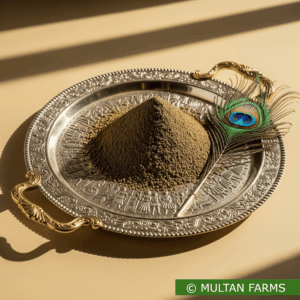
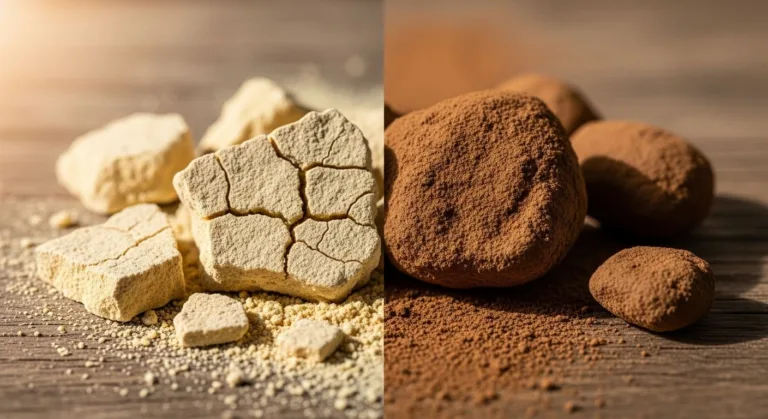
Regular Multani Mitti comes in a powdery or soft form. You can easily crumble it between your fingers, mix it with water, and create a paste. It’s been sold this way for generations at markets and stores across South Asia and beyond.
So What’s the Deal with “Pakki” Multani Mitti?
Now we get to the interesting part. Pakki Multani Mitti is what happens when regular Multani Mitti goes through a heating or hardening process. Imagine taking soft clay and firing it in a kiln, similar to how pottery is made. The heat changes the clay’s structure at a molecular level.
Here’s a simple analogy: think about an egg. A raw egg is liquid and soft inside. But when you cook it, the heat changes its entire structure, and you can’t turn it back into a raw egg. The same thing happens with pakki Multani Mitti. Once it’s been processed and hardened, it has different properties than the original soft clay.
The hardening process can happen naturally over time when the clay is exposed to certain conditions, or it can be done intentionally through controlled heating. Either way, you end up with solid chunks or blocks instead of powder or soft clay.
The Key Differences You Should Know
Texture and Form
The most obvious difference is how they look and feel. Regular Multani Mitti is soft, powdery, and easy to break apart. Pakki Multani Mitti, on the other hand, is solid and hard. You’d need to grind it or break it down if you wanted to use it as a powder.
Absorption Properties
Both types can absorb oils and impurities, but they work differently. Regular Multani Mitti absorbs things quickly because it’s already in a form that can easily mix with liquids. Pakki Multani Mitti, being solid, might release its properties more slowly over time. It’s like the difference between a tea bag and loose tea leaves, both make tea, but they work at different speeds.
Longevity and Storage
Here’s where pakki Multani Mitti really shines. Because it’s been hardened, it’s much more stable and can last longer without breaking down or absorbing moisture from the air. Regular Multani Mitti can sometimes clump together if it gets damp, but the pakki version stays solid and intact.
How People Use These Different Forms
Both forms of Multani Mitti have their fans, and people choose them based on what they need.
For Skincare
Regular Multani Mitti is more popular for face masks and skin treatments. Why? It’s already in powder form, so you can just add water, rose water, or yogurt to make a paste. People apply it to their faces, let it dry, and then wash it off. It’s supposed to help with oily skin, acne, and making your skin feel fresh and clean.
Pakki Multani Mitti can also be used for skincare, but you’d need to grind it into powder first. Some people actually prefer this because they can grind just what they need, ensuring maximum freshness.
For Cooling and Traditional Uses
In some regions, people traditionally kept pakki Multani Mitti in their homes or under their pillows. The belief was that it had cooling properties and could help during hot summer months. Think of it like a natural cooling stone. Whether this actually works is debated, but the tradition has been passed down for generations.
In Agriculture
At places like Multanfarms.com, you’ll find that both forms of Multani Mitti are valued for their role in soil conditioning and agriculture. The clay can help improve soil texture and water retention. Farmers might choose different forms depending on how they plan to apply it to their fields.
Why Does This Matter Today?
You might be thinking, “Okay, interesting, but why should I care about different types of clay?” Great question! In our modern world where we’re surrounded by synthetic products and chemicals, more people are returning to natural materials like Multani Mitti.
Understanding the difference between pakki and regular Multani Mitti helps you make better choices. If you’re buying it for a specific purpose, knowing whether you need the powder form or the solid form can save you time and money. Plus, there’s something cool about using a natural product that people have trusted for thousands of years.
The growing interest in sustainable and natural products means that traditional materials like Multani Mitti are making a comeback. Companies and farms that specialize in these natural clays are helping preserve traditional knowledge while making these products accessible to new generations.
The Bottom Line
Pakki Multani Mitti and regular Multani Mitti are like two members of the same family. They share the same origins and many of the same beneficial properties, but the processing makes them different in important ways. Regular Multani Mitti is soft and ready to use, perfect for making masks and pastes. Pakki Multani Mitti is hard and long-lasting, better for storage and traditional applications that require the solid form.
Both types have earned their place in traditional medicine, beauty routines, and agricultural practices. Whether you’re interested in natural skincare, sustainable farming, or just curious about the world around you, understanding these differences helps you appreciate how a simple material from the earth can be transformed and used in multiple ways.
So next time you see clay, whether it’s in an art classroom or at a natural products store, take a moment to think about its story. Is it soft and ready to mold, or has it been transformed through heat and time into something harder and more permanent? Either way, you’re looking at millions of years of natural history, shaped and used by human creativity and ingenuity. Pretty cool, right?