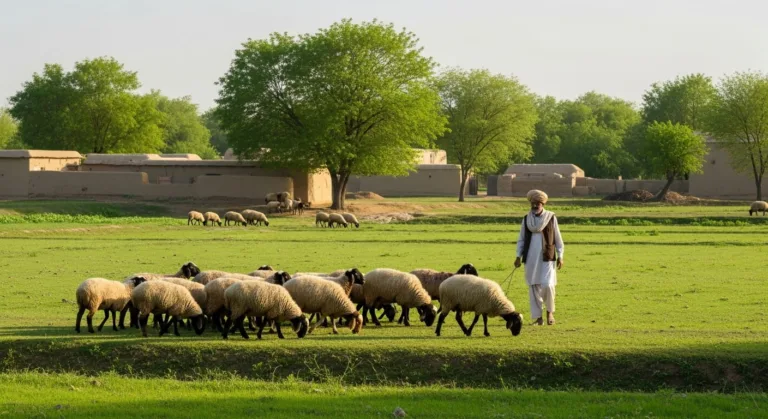
Imagine you’re out in the golden fields of Punjab, Pakistan, with the sun warming your back and a fluffy sheep nuzzling your hand for a treat. Sounds like a scene from a farm movie, right? But this isn’t just any farm, it’s a real-life hub where families raise woolly wonders that provide food, clothes, and even a bit of family fun. Sheep farming in Punjab is like the unsung hero of rural life, turning simple grasslands into treasures of meat, milk, and wool.
In this place, known for its fertile lands and bustling villages, sheep aren’t just animals, they’re like trusty sidekicks helping folks make a living. At places like Multanfarms.com, experts share tips on starting your own flock, making it easier for anyone to jump in. Stick around, and you’ll discover the breeds that thrive here, the daily chores that keep things hopping, and why this farm life could be the next big thing for clever kids like you dreaming of green pastures.
Get ready to bleat with excitement as we trot through the world of sheep farming in Punjab. You’ll learn how these curly-horned friends turn grass into gold, face sneaky challenges, and even star in government-backed success stories. By the end, you might just want to grab a shepherd’s crook and start your own mini-farm!
Meet the Woolly Stars: Famous Sheep Breeds of Punjab
Ever wondered why some sheep look like they’re wearing a reddish-brown jacket while others sport a plain white coat? In Punjab, sheep breeds are as diverse as the spices in a biryani, each one perfectly tuned to the region’s sunny fields and hilly spots. Lohi sheep, for instance, are the rock stars here, famous for their tough build and tasty meat that folks crave at family feasts.
These Lohi guys, with their reddish-brown heads and white woolly bodies, roam the plains around Multan, just like the farms highlighted on Multanfarms.com. They’re like the marathon runners of the sheep world, hardy enough to handle hot summers and chilly winters without complaining. Did you know Lohi sheep can produce up to 2 kilograms of wool a year? That’s enough to knit a cozy sweater for your whole family!
Then there’s the Kajli breed, hailing from the Salt Range hills in Punjab. Picture a sheep that’s black-faced and white-bodied, super resilient like a video game character with extra lives. Kajli sheep shine in rough, hilly areas, grazing on tough grasses that other animals ignore. They’re prized for their glossy wool and strong meat, making them a favorite for farmers who want low-drama, high-reward flocks.
And don’t forget the Thalli sheep, bred right in Punjab’s government farms. These medium-sized champs have a mix of colors, from tan to black, and they’re all about that balanced life, offering good wool, milk, and meat. It’s like having a multi-tool in your backpack, one sheep that does it all. In Punjab’s diverse landscapes, from flat fields to rocky slopes, these breeds prove that variety is the spice of farm life.
A Day in the Life: What Goes Into Raising Sheep?
Waking up at dawn to the sound of baas and birds, that’s the rhythm of sheep farming in Punjab. Farmers start by checking their flock, making sure everyone’s munching on fresh fodder , which is just a fancy word for yummy grass and plant mixes that keep sheep healthy and growing. It’s like prepping a school lunch, but for hundreds of fluffy mouths, using crops like berseem or maize stalks grown right on the farm.
Feeding time is a highlight, especially for young lambs scampering around like puppies at playtime. Farmers mix in concentrates, think of them as sheep energy bars made from grains and minerals, to boost weight gain. On sites like Multanfarms.com, you’ll find guides saying to buy lambs at six to eight months old for fattening, then sell them after 120 days when they’re plump and ready for market. It’s smart planning, turning skinny starters into market stars.
Shelter is key too, simple open sheds with shady roofs to beat Punjab’s scorching sun. Clean water troughs and regular hoof trims keep things sanitary, preventing yucky infections. Imagine it like your bedroom, needs to be comfy and clean so you can rest well. A fun twist: some farmers play soft music to calm the sheep, turning chore time into a chill concert!
Breeding happens naturally or with a little help from vets, aiming for one lamb per ewe yearly. It’s all about timing with seasons, like syncing your study schedule to ace a test. With good care, a small flock of 50 can grow fast, blending hard work with those heartwarming moments of bottle-feeding a wobbly newborn.
From Fleece to Feast: What Do Sheep Give Us?
Sheep in Punjab aren’t just cute, they’re like walking treasure chests packed with goodies. First up, wool, that soft, curly stuff sheared once a year. Punjab’s Lohi and Kajli breeds crank out coarse wool perfect for carpets and blankets, exported worldwide. Did you know Pakistan ships tons of it, helping farmers earn cash like selling handmade crafts at a fair?
Then there’s the meat, mutton that’s the star of barbecues and holidays. A fattened lamb can weigh 30-40 kilos, fetching good prices at local markets. It’s like harvesting veggies from your garden, but with way more flavor and family cheers around the grill. Multanfarms.com tips highlight fattening young stock for quick profits, turning a few months’ care into a payday.
Don’t overlook milk from ewes, rich and nutritious for cheese or yogurt in rural homes. Though not as famous as cow milk, it’s a bonus treat, especially from breeds like Thalli. And get this: sheep even help the land! Their grazing clears weeds and fertilizes soil with droppings, like nature’s lawnmowers with built-in compost.
In numbers, Punjab’s sheep contribute to the 30 million nationwide, powering 42% of some families’ income in hilly areas. It’s a full-circle gift, from pasture to plate, showing how one animal can feed, clothe, and enrich so many lives.
Hurdles on the Pasture: Challenges Farmers Face
Raising sheep sounds dreamy, but it’s got its plot twists, like a bumpy rollercoaster. In Punjab’s tribal hills, like Dera Ghazi Khan, malnutrition hits hard because of scarce fodder in dry spells. Sheep grow slow, lambs wean late, kinda like kids waiting too long for snacks and missing playtime. Farmers battle this by planting more grasses, but water shortages make it tricky.
Health woes sneak in too, with parasites and viruses causing up to 22% lamb deaths. Without vaccines, it’s like forgetting your flu shot during winter, leading to sad losses. Poor management amps it up, but government farms in Punjab push training to fight back.
Marketing’s another bump, getting wool and meat to buyers without middlemen taking big cuts. In remote spots, roads are rough, delaying sales like a late bus to school. Yet, only 20% of farmers see big lifestyle boosts, showing room for growth. It’s tough, but these challenges build resilience, much like leveling up in your favorite game.
Bright Horizons: The Future of Sheep Farming in Punjab
Good news, the future’s looking woolly and wonderful! Government initiatives, like Punjab’s Livestock Department farms, breed top Thalli sheep and train folks on modern tricks. Think artificial insemination for stronger babies or apps tracking flock health, turning old ways into high-tech wins.
Projects in Punjab and nearby Sindh boost small farms by linking women and kids to markets, since the whole family pitches in. It’s like a team sport, everyone scores when supply meets demand for premium mutton. Multanfarms.com cheers this with guides for starting small, proving even backyard flocks can profit.
Trends point to sustainable grazing, rotating pastures to heal soil, and climate-smart feeds from waste like date palms. With 30 million sheep nationwide, Punjab’s share could explode, cutting poverty and feeding more tables. Imagine drone-monitored herds or eco-wool for green fashion, it’s farming leveled up!
Wrapping Up the Woolly World
So, we’ve galloped through Punjab’s sheep scene, from Lohi stars munching fodder to clever fixes for health hiccups, all while dishing out wool, meat, and milk that light up lives. Places like Multanfarms.com make it accessible, showing how a handful of sheep can spark big dreams in fertile fields or rugged hills. It’s more than farming, it’s a lifeline blending tradition with tomorrow’s tweaks.
This matters because it connects us to the food on our plates and the threads in our clothes, reminding us how rural hands weave our world’s fabric. Next time you spot a sheep, think of the Punjab farmer’s hustle turning bleats into beats of progress. What if you visited a farm or started a tiny project with friends, could you be the next shepherd shaking things up?