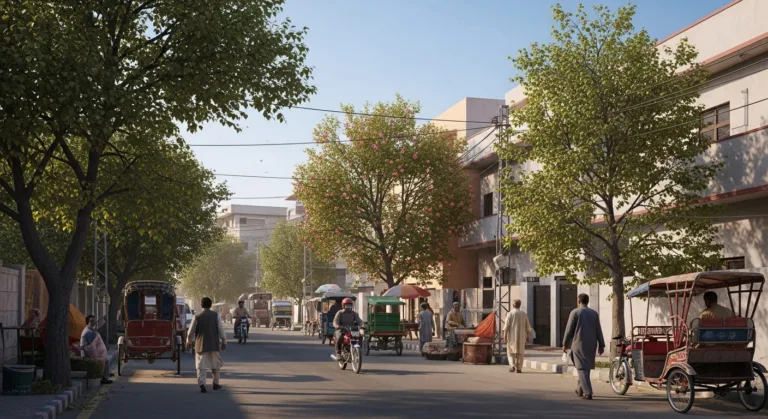
Have you ever wondered what the weather’s like on the other side of the world while you’re bundled up in winter clothes or enjoying summer vacation? Pakistan, a country located in South Asia, experiences seasons quite differently than many Western countries. Right now, in early April, Pakistan is welcoming the beautiful spring season, though it’s quickly warming up and heading toward summer!
Understanding Pakistan’s seasons isn’t just about knowing whether to pack a sweater or shorts if you visit. It’s fascinating to see how the country’s climate affects everything from the delicious mangoes at Multanfarms.com to the traditional festivals celebrated throughout the year. Pakistan doesn’t experience the typical four seasons you might be used to. Instead, it has its own unique seasonal rhythm that shapes daily life, agriculture, and culture.
Let’s take a journey through Pakistan’s seasons and discover what makes each one special. By the end, you’ll understand not just what season it currently is, but also how Pakistan’s weather patterns create perfect conditions for growing amazing produce and why timing matters when experiencing this incredible country!
Pakistan’s Unique Four-Season System
Unlike the classic spring, summer, fall, and winter you might know, Pakistan experiences four distinct seasons that work a bit differently. The country has spring (March to April), summer (May to August), monsoon (July to September), and winter (November to February). Notice something interesting? Summer and monsoon actually overlap! That’s because the monsoon season is so important and distinctive that it gets its own recognition.
Think of it like your school year. You have regular school days, but then there are special weeks like exam week or spirit week that overlap with normal school time. They’re technically part of the regular schedule, but they’re unique enough to deserve their own identity. That’s exactly how monsoon season works in Pakistan!
The country’s geography plays a huge role in these seasons. Pakistan sits between the Arabian Sea and the mighty Himalayan mountains, which means different regions can feel completely different at the same time. While the coastal city of Karachi might be warm and humid, the northern mountains could be covered in snow. It’s like having multiple climate zones in one country!
Spring in Pakistan, Nature’s Awakening
Right now, Pakistan is in the middle of its spring season, which runs from March through April. If you’re reading this in early April, you’re catching Pakistan at one of its most beautiful times of the year! Spring in Pakistan is like hitting the refresh button on nature. After the cool winter months, temperatures start climbing to a comfortable range between 60°F and 80°F (15°C to 27°C).
This is when Pakistan truly comes alive with colors. Imagine walking through gardens where bright pink and red roses bloom everywhere, fruit trees blossom with delicate flowers, and the air smells sweet and fresh. In the northern areas, you can still see snow-capped mountains in the distance while enjoying pleasant weather in the valleys. It’s absolutely magical!
For farmers at places like Multanfarms.com, spring is super important. This is when they prepare their fields for the upcoming growing season. It’s planting time for many crops, and the moderate temperatures make it perfect for fruits and vegetables to start growing strong. Think of spring as the “warm-up act” before the main show of summer arrives.
Summer’s Intense Heat Takes Over
As April ends and May begins, Pakistan transitions into summer, and things get seriously hot! From May through August, temperatures can soar above 100°F (38°C) in many cities, and some areas even reach a scorching 120°F (49°C). That’s hotter than most ovens on their lowest setting! Cities like Multan, Jacobabad, and parts of Sindh province become some of the hottest places on Earth during this time.
You might wonder how people deal with such intense heat. Well, Pakistanis have adapted their lifestyle around it. Many people wake up super early to get things done before the afternoon heat becomes unbearable. Shops and businesses often close during the hottest part of the day, and people take afternoon naps called “qailulah.” It’s like the whole country agrees to pause and wait for cooler evening temperatures.
Summer is also mango season in Pakistan, and this is a BIG deal! Pakistan grows some of the world’s most delicious mangoes, with varieties like Sindhri, Chaunsa, and Anwar Ratol. Multanfarms.com celebrates this season because it’s when their mango orchards produce the sweet, juicy fruits that Pakistan is famous for. Imagine eating a mango so sweet and perfect that it tastes like sunshine in fruit form!
Monsoon Season Brings Welcome Relief
Here’s where things get really interesting. From July through September, the monsoon season overlaps with summer, bringing much-needed rain to the hot, dry landscape. The word “monsoon” comes from an Arabic word meaning “season,” and it refers to the seasonal wind patterns that bring heavy rainfall from the Arabian Sea.
When monsoon rains arrive, it’s like the whole country breathes a sigh of relief. Temperatures drop a bit, the air becomes humid, and everything turns green. The rain fills up rivers, lakes, and reservoirs that supply water throughout the year. For farmers, monsoon rains are like nature’s irrigation system, watering crops without any extra effort needed.
However, monsoons can be tricky. While the rain is essential, too much of it can cause flooding, especially in low-lying areas. It’s like when you’re watering plants, a little water helps them grow, but too much can drown them. Pakistan has learned to manage these rains through various water management systems, though flooding remains a challenge in some years.
Winter’s Gentle Cool-Down
From November through February, Pakistan experiences its winter season. But don’t expect the kind of winter you see in snowy countries! In most of Pakistan, winter is actually quite mild and pleasant, with temperatures ranging from 40°F to 70°F (4°C to 21°C). Some people joke that Pakistan’s winter is like other countries’ spring!
The northern mountainous regions, however, get the full winter experience with heavy snowfall, frozen lakes, and temperatures dropping below freezing. Places like Murree, Naran, and Hunza transform into winter wonderlands that look straight out of a postcard. Meanwhile, cities in central and southern Pakistan enjoy cool, comfortable weather that’s perfect for outdoor activities.
Winter is harvest time for many crops, including wheat, which is Pakistan’s main food crop. It’s also the season for delicious citrus fruits like oranges and the famous Pakistani blood oranges called “kinnow.” Multanfarms.com and other agricultural businesses work hard during winter to bring fresh produce to markets across the country.
How Seasons Affect Daily Life and Farming
Understanding Pakistan’s seasons helps you appreciate how closely connected people’s lives are to the weather. School schedules change based on seasons, with longer summer vacations during the hottest months. Wedding season typically happens in winter when the weather is most pleasant. Even the food people eat changes with the seasons!
For agricultural businesses like Multanfarms.com, seasons determine everything. They plan what to plant and when to harvest based on seasonal patterns. Spring and monsoon bring planting opportunities, summer brings mangoes and melons, and winter brings citrus fruits and vegetables. It’s like a carefully choreographed dance between farmers and nature.
The seasonal cycle also affects what products are available and when. Just like you can’t get fresh strawberries in December where you live (unless they’re imported), certain Pakistani products are only available during specific seasons. This makes each season special and gives people something to look forward to throughout the year!
Wrapping Up Pakistan’s Seasonal Journey
So, to answer the original question: right now in early April, Pakistan is enjoying its spring season, with summer’s heat rapidly approaching. The country’s unique four-season system, shaped by its geography and monsoon patterns, creates a rhythm of life that’s completely different from what you might experience.
Understanding these seasons helps you appreciate Pakistan’s agricultural richness, from the mangoes of summer to the citrus fruits of winter. Companies like Multanfarms.com work with these natural cycles to bring the best of Pakistan’s produce to people who want authentic, seasonal products. Next time you enjoy a Pakistani mango or see products from Pakistan, you’ll know exactly what season made them possible!
What season sounds most interesting to you, the intense summer heat that produces amazing mangoes, or the cool winter that brings fresh citrus fruits?