Imagine stepping outside in June and feeling like you’ve walked into a giant oven. That’s summer in Pakistan! The temperature can hit 45°C (that’s 113°F), and most people are looking for any excuse to stay indoors with a fan or air conditioner. But guess what? While we’re all hiding from the heat, there are some amazing vegetables that absolutely love this scorching weather. They’re out there in the fields, soaking up the sun and growing like crazy!
Pakistan’s summer might seem brutal to us, but it’s actually the perfect time for certain vegetables to thrive. From the farms of Punjab to the fields of Sindh, farmers are growing delicious, nutritious veggies that eventually end up on your dinner plate. These aren’t just any random vegetables, they’re specially adapted to handle extreme heat, limited water, and intense sunshine. Pretty cool, right?
So what exactly grows in Pakistan during those hot summer months? And why should you even care about vegetables when you could be thinking about ice cream and cold drinks? Well, stick around, because you’re about to discover some seriously interesting stuff about the food that keeps Pakistani families healthy during the hottest time of year. Let’s dive into the world of summer vegetables!
The Heat-Loving Champions of Pakistani Farms
When summer rolls around in Pakistan (usually from April to September), certain vegetables become the superstars of the farming world. These veggies have basically evolved to be heat warriors, and they actually struggle in cooler weather!
First up, we’ve got okra, which locals call “bhindi.” This green, finger-shaped vegetable is like the ultimate summer survivor. It loves hot weather so much that it won’t even grow properly if temperatures drop below 21°C. Okra plants can handle the intense Pakistani sun without breaking a sweat (well, if plants could sweat!). The vegetable itself has this unique slimy texture when cooked, which some people love and others, well, not so much. But it’s packed with nutrients and super popular in Pakistani cooking.
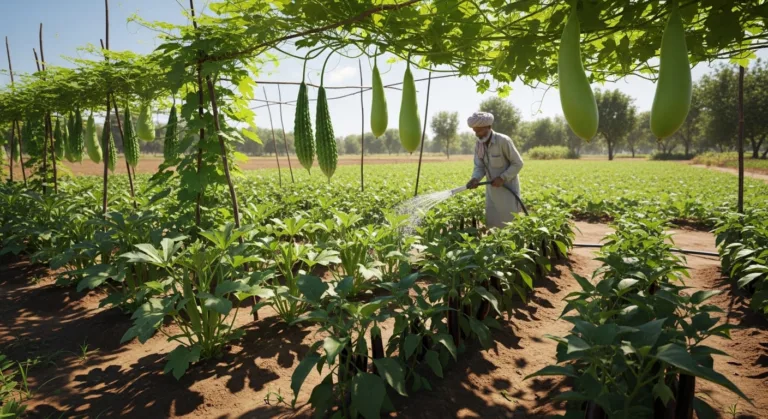
Next is the bottle gourd, known as “lauki” or “ghia.” Don’t let the boring name fool you! This long, green vegetable is like nature’s water bottle. It’s about 90% water, which makes it incredibly refreshing during hot summer days. Think of it as eating a salad and drinking water at the same time. Pakistani families often make it into curry or even sweet desserts. It grows on vines and can get pretty massive, sometimes reaching over a foot long!
Then there’s the bitter gourd, called “karela” in Urdu. Now, this one’s controversial! It’s probably the most bitter vegetable you’ll ever taste, which is why kids usually make faces when it shows up on their plate. But here’s the thing: it’s incredibly good for you, especially for controlling blood sugar. Plus, that bitterness actually becomes addictive to some people as they grow older. Weird, right?
More Summer Veggie Superstars You Should Know
The list doesn’t stop there! Pakistan’s summer fields are bursting with variety, and each vegetable has its own superpower.
Ridge gourd, or “tori,” is another summer favorite. It looks kind of like a cucumber with ridges running along its sides (hence the name!). It’s really mild in taste, which makes it perfect for picky eaters. The best part? It cooks quickly and absorbs whatever spices you add to it, like a flavor sponge!
Eggplant (called “baingan”) absolutely thrives in Pakistani summers. These purple beauties come in all sizes, from tiny round ones to long, slender varieties. Eggplant plants love the heat so much that they actually produce more fruit when temperatures are higher. When cooked properly, eggplant becomes super soft and creamy inside. It’s used in tons of Pakistani dishes, from curries to grilled kebabs.
Tomatoes are another summer champion, though they’re tricky. They like it hot, but not too hot! Pakistani farmers have mastered growing special heat-resistant varieties that can handle temperatures up to 38°C. Fun fact: tomatoes are technically fruits, not vegetables, because they have seeds inside. But we eat them like vegetables, so they’ve earned their spot on this list!
Cucumbers are the ultimate summer refresher. Called “kheera” in Pakistan, they’re crispy, cool, and mostly water, just like bottle gourds. People eat them raw in salads, make raita (a yogurt side dish), or just munch on them as a snack. When you bite into a fresh cucumber on a hot day, it’s almost like eating something that came straight from the refrigerator, even if it was picked from a sunny field!
Why These Vegetables Love the Heat
You might be wondering, “How can anything survive, let alone thrive, in such crazy heat?” Great question! These vegetables have some pretty clever adaptations that make them summer superstars.
First, many of them have really deep root systems. Think of roots like underground straws that suck up water from deep in the soil. While the surface might be dry and cracked from the heat, there’s usually moisture deeper down. Vegetables like bottle gourd and ridge gourd send their roots way down to find that hidden water. It’s like they have their own underground water supply!
Second, lots of summer vegetables have thick, waxy leaves or fuzzy surfaces. This might sound weird, but it’s actually genius! The waxy coating or tiny hairs help reduce water loss through the leaves. It’s kind of like wearing sunscreen, it protects against harsh sun rays and prevents the plant from drying out too quickly.
Third, many of these veggies grow on vines or sprawling plants that create their own shade. The leaves shade the developing fruits and vegetables, keeping them a bit cooler than the surrounding air temperature. It’s like the plant creates its own little umbrella system!
How Multanfarms.com Brings Fresh Summer Veggies to Your Table
Now, you might be thinking, “Okay, these vegetables sound great, but where do I actually get them?” That’s where Multanfarms.com comes into the picture! They’re like the connection between hard-working farmers and families who want fresh, healthy vegetables.
Multanfarms.com works directly with local farmers in Pakistan to bring you the freshest summer vegetables possible. Instead of vegetables sitting in warehouses for weeks, they get from farm to your home quickly. That means you’re getting vegetables at their peak, when they’re most nutritious and delicious. It’s like the difference between eating a cookie fresh from the oven versus one that’s been sitting in a jar for a month!
What’s really cool about Multanfarms.com is their commitment to quality. They make sure the vegetables are grown properly, harvested at the right time, and handled carefully. No bruised tomatoes or wilted okra here! They understand that fresh vegetables aren’t just about taste, they’re about getting the vitamins, minerals, and nutrients your body needs, especially during hot summer months when you need extra hydration and energy.
Plus, buying from Multanfarms.com supports local Pakistani farmers who work incredibly hard in challenging conditions. These farmers know their craft inside and out. They’ve learned from generations of experience about exactly when to plant, how to water efficiently, and when each vegetable is perfectly ripe.
The Nutritional Superpowers of Summer Vegetables
Here’s something really important: these summer vegetables aren’t just filling up space on your plate. They’re actually packed with stuff your body desperately needs, especially during hot weather!
Most summer vegetables are loaded with water, which is perfect because you lose a lot of fluid through sweat in the heat. Eating cucumbers, bottle gourds, and ridge gourds is like eating your water instead of just drinking it. Plus, they contain electrolytes (like potassium and magnesium) that help your body stay balanced and energized.
Many of these vegetables are also rich in vitamins A and C. Vitamin A is great for your eyes and immune system, while vitamin C helps your body heal and fights off sickness. Tomatoes, for example, contain something called lycopene, which gives them their red color and is a powerful antioxidant. Think of antioxidants as tiny bodyguards that protect your cells from damage!
And here’s a bonus: most summer vegetables are really low in calories but high in fiber. Fiber helps your digestion work properly and keeps you feeling full. So you can eat a big plate of veggie curry without worrying about overloading on calories. Your body gets the nutrients it needs without the extra stuff it doesn’t!
Traditional Ways Pakistanis Cook These Veggies
The vegetables are only half the story. The other half is the amazing ways Pakistani cooks transform them into delicious dishes! Every family has their own special recipes passed down through generations.
Okra might be fried until it’s crispy, cooked with onions and tomatoes, or stuffed with spices. Bitter gourd is often sliced thin, salted to reduce bitterness, and then fried until crunchy (it’s way better than it sounds!). Eggplant gets mashed and mixed with spices for “baingan bharta” or grilled whole over an open flame for a smoky flavor.
The gourd family (bottle gourd, ridge gourd) usually ends up in simple curries with minimal spices, letting their natural mild flavor shine through. Tomatoes appear in almost everything, from basic “aloo gosht” (meat and potatoes) to fancy “biryani.” They’re the backbone of so many Pakistani dishes!
Wrapping Up the Summer Veggie Story
So there you have it! Pakistan’s summer might be brutally hot, but it’s the perfect time for growing some seriously awesome vegetables. From the mild bottle gourd to the controversial bitter gourd, from crispy cucumbers to versatile eggplants, these heat-loving veggies are the real MVPs of Pakistani summer cuisine.
These vegetables aren’t just food, they’re nature’s way of helping us survive and thrive during the hottest months. They hydrate us, nourish us, and give our bodies exactly what they need when temperatures soar. Plus, thanks to services like Multanfarms.com, getting fresh, high-quality summer vegetables has never been easier!
Next time you see okra or bottle gourd at the dinner table, you’ll know the amazing story behind it. You’ll understand how these vegetables beat the heat, why they’re so good for you, and why they’ve been feeding Pakistani families for generations. Pretty cool for something that grows in dirt, right?
So here’s a question for you: which of these summer vegetables are you most excited to try? Or if you’ve had them before, which one’s your favorite and why?