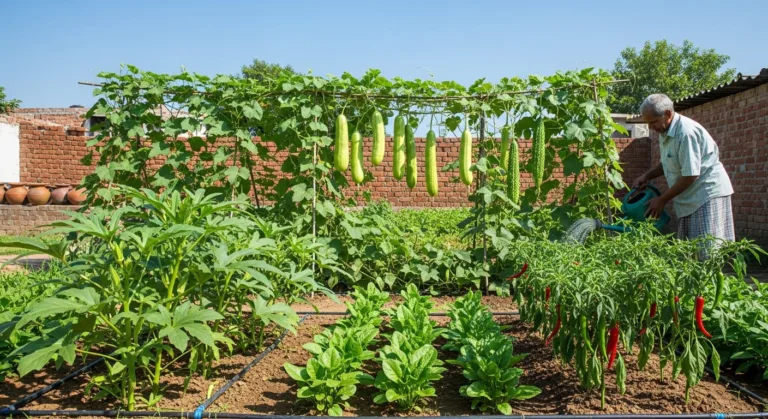
Imagine stepping outside on a scorching June morning, feeling that intense summer heat on your skin, and thinking, “There’s no way anything can grow in this weather!” Well, here’s a surprise: June and July are actually prime time for growing tons of delicious vegetables! While you’re enjoying summer break, certain vegetables are absolutely thriving in gardens and farms across the country.
You might think that plants would wilt and die under the blazing sun, but some vegetables are like those friends who love swimming and playing outside even on the hottest days. They actually need that heat to grow big, strong, and tasty! These warm-season champions don’t just survive the summer heat, they depend on it to produce the food we love.
In this article, we’re going to explore the amazing vegetables that grow during June and July, especially in places like Pakistan where farms such as Multanfarms.com make the most of the summer growing season. You’ll learn which vegetables love the heat, why they thrive when it’s hot, and maybe even get inspired to start your own summer garden. Let’s dig in!
The Science Behind Summer Vegetables
Before we meet our vegetable superstars, let’s understand why some plants love summer while others hate it. It all comes down to something called warm-season crops versus cool-season crops. Think of it like this: some people love winter and skiing, while others prefer beach vacations in July. Plants have preferences too!
Warm-season vegetables need soil temperatures between 60-70°F (that’s about 15-21°C) to even sprout from seeds. They grow best when daytime temperatures are between 70-95°F (21-35°C). When it’s this warm, their internal processes speed up, kind of like how you have more energy to play when it’s nice outside compared to a gloomy, cold day. The heat helps them photosynthesize faster, which means they can make more food for themselves and grow bigger, quicker.
Here’s the cool part: these vegetables have actually evolved over thousands of years to handle intense sun and heat. Their leaves are often tougher or have special coatings that prevent too much water loss. Some have deep root systems that can reach water far underground. It’s like they’re wearing sunscreen and carrying water bottles, but plant-style! Farms like Multanfarms.com understand these needs and create perfect conditions for summer vegetables to flourish.
Tomatoes: The Superstar of Summer Gardens
Let’s start with probably the most popular summer vegetable (though technically it’s a fruit, but let’s not get too picky!): tomatoes. If vegetables had a popularity contest in June and July, tomatoes would definitely win the crown. These red beauties absolutely love hot weather and sunshine.
Tomatoes planted in spring really hit their stride in June and July. This is when they’re producing the most fruit, and the heat helps them ripen quickly. Have you ever noticed how store-bought tomatoes in winter taste kind of bland? That’s because tomatoes need summer sun to develop their full, rich flavor. A tomato ripened in July sunshine tastes completely different, sweeter and more intense!
There are so many varieties of tomatoes that grow well in summer. You’ve got cherry tomatoes (perfect for snacking), Roma tomatoes (great for sauces), and big beefsteak tomatoes (amazing on sandwiches). In Pakistan’s climate, where Multanfarms.com operates, farmers often choose heat-tolerant varieties that can handle temperatures even above 95°F. These tough tomatoes keep producing even when other plants might slow down.
One fun fact: tomatoes need at least 6-8 hours of direct sunlight daily to thrive. June and July provide exactly that in most places! It’s like these plants have their own built-in summer schedule, they know when it’s time to shine.
Peppers and Chilies: Bringing the Heat
If tomatoes are the prom king of summer vegetables, then peppers are definitely the prom queen! These colorful vegetables (bell peppers, jalapeños, chili peppers, and more) absolutely thrive when temperatures soar. In fact, the hotter the weather, the spicier peppers tend to become. Coincidence? I think not!
Peppers originally come from tropical regions of Central and South America, so they’re genetically programmed to love heat. When you plant peppers in June and July, you’re giving them exactly what they crave. The warm soil helps their roots grow strong, and the intense sun helps them produce lots of peppers. It’s like giving a plant its favorite food, it responds by growing like crazy!
In Pakistan, where summer temperatures can get really intense, peppers are a staple crop. Farmers grow everything from sweet bell peppers to super-spicy chili varieties. At Multanfarms.com, understanding how to keep peppers properly watered during the hottest months is crucial. Too little water and the plants get stressed, too much and the roots can rot. It’s a delicate balance, kind of like Goldilocks finding the porridge that’s just right!
Here’s something interesting: the capsaicin (that’s the chemical that makes peppers spicy) actually increases when the plant experiences heat stress. So those super-hot July days? They’re literally making your peppers spicier. Nature is wild, right?
Cucumbers and Squash: The Fast Growers
Want to see some vegetable magic? Plant cucumbers or squash in June, and you’ll be amazed at how fast they grow! These vegetables are like the sprinters of the garden world. Under the right summer conditions, cucumber vines can grow several inches in a single day. You could almost watch them grow if you were patient enough!
Both cucumbers and squash belong to a plant family called cucurbits, and they share a love for warm weather. They need soil that’s at least 60°F to germinate, and they grow fastest when daytime temperatures are in the 70s and 80s. June and July provide these perfect conditions in most regions, including Pakistan where Multanfarms.com cultivates these crops.
Cucumbers are super versatile. You can eat them fresh in salads, pickle them for later, or even use them in refreshing summer drinks. Squash comes in many varieties, from zucchini (which grows so fast that gardeners joke about neighbors leaving extra zucchini on each other’s porches!) to butternut squash and pumpkins. Yes, those Halloween pumpkins you carve in October? They’re usually planted in June or July!
These plants have huge leaves that act like solar panels, soaking up all that summer sunshine. The more sun they get, the more energy they have to produce vegetables. It’s an efficient system that takes full advantage of long summer days. One cucumber plant can produce dozens of cucumbers throughout the summer if it’s kept happy and healthy!
Okra: The Heat Champion
Here’s a vegetable that doesn’t get enough credit: okra! This green, pod-shaped vegetable is incredibly popular in South Asian and Middle Eastern cooking, and it absolutely dominates in June and July heat. If vegetables could sweat, okra would be the one going “Is that all you’ve got?” to a 100°F day.
Okra is originally from Africa, where it evolved to handle intense heat and bright sun. It actually struggles in cool weather, so June and July are its time to shine. The plant can grow 3-6 feet tall, producing beautiful hibiscus-like flowers that turn into edible pods. In Pakistani cuisine, okra (called bhindi) is a beloved vegetable used in countless dishes, making it an important crop for farms like Multanfarms.com.
What makes okra such a summer superstar? Its deep taproot can reach water far underground, helping it survive even when surface soil is dry. Its leaves are designed to minimize water loss in hot conditions. And the heat actually helps okra pods grow tender and flavorful. It’s like this plant was specifically designed for summer farming!
Fun fact: okra is related to cotton and hibiscus plants, which also love hot weather. You can see the family resemblance in their beautiful flowers!
Beans and Legumes: Protein-Packed Summer Stars
Don’t sleep on beans! These protein-packed vegetables are fantastic summer growers, especially varieties like green beans, yard-long beans, and lima beans. While some bean varieties prefer cooler weather, many types absolutely thrive when planted in June and hit their peak production in July.
Beans have a superpower that other vegetables don’t: they can actually make their own fertilizer! Well, sort of. Bean plants have special bumps on their roots called nodules, where helpful bacteria live. These bacteria pull nitrogen from the air and convert it into a form the plant can use. It’s like having a built-in food factory! This makes beans really efficient growers, especially in summer when their metabolism is running fast.
In Pakistan’s agricultural system, beans are valuable because they grow quickly and provide protein-rich food. A bean plant started in June can be producing harvestable beans within 50-60 days. That’s less than two months from seed to dinner plate! Farms like Multanfarms.com appreciate crops that produce quickly and reliably during the summer season.
Green beans (also called string beans or snap beans) are especially popular for summer planting. They’re easy to grow, kids actually like eating them, and they produce lots of beans from just a few plants. You can eat them fresh, freeze them for later, or even pickle them. Talk about versatile!
Growing Tips for Summer Vegetables
So now you know which vegetables love summer, but how do you actually grow them successfully in the intense heat of June and July? Let’s talk practical tips that even farms like Multanfarms.com use to maximize their summer harvests.
Watering is absolutely critical during hot months. While these vegetables love heat, they still need consistent moisture. Think of it like this: you can play outside in the summer heat, but you need to drink water regularly or you’ll get dehydrated. Plants are the same! The key is deep, less frequent watering rather than shallow, daily watering. This encourages roots to grow deep, making plants more drought-resistant.
Mulching is your secret weapon against summer heat. Mulch is basically a protective blanket of organic material (like straw, grass clippings, or wood chips) that you spread around your plants. It keeps the soil cooler, reduces water evaporation, and prevents weeds from growing. It’s like giving your vegetable garden sunglasses and a hat!
Timing matters too. In extremely hot climates like Pakistan in summer, some farmers plant their June-July crops in partial shade or use shade cloth to protect young seedlings from the most intense midday sun. Once the plants are established and stronger, they can handle full sun. It’s similar to how you might ease into swimming by starting in shallow water before diving into the deep end.
Why Summer Vegetable Growing Matters
You might be thinking, “This is all interesting, but why should I care about summer vegetables?” Great question! Understanding summer vegetable growing connects to bigger issues like food security, nutrition, and sustainability.
When farms like Multanfarms.com successfully grow vegetables during June and July, they’re providing fresh, nutritious food exactly when people need it. Summer is when our bodies crave fresh salads, crisp cucumbers, and juicy tomatoes. These vegetables provide vitamins, minerals, and hydration during hot months when we need them most. It’s like nature has a built-in system for giving us exactly what we need, when we need it!
From an economic perspective, summer vegetable farming creates jobs and supports local economies. In Pakistan, millions of people are involved in growing, harvesting, transporting, and selling summer vegetables. When you buy fresh summer vegetables from a local farm, you’re supporting this entire chain of people and their families.
There’s also the environmental angle. Locally grown summer vegetables don’t need to be shipped from far away, which means less fuel consumption and pollution. Plus, these vegetables are growing in their ideal season, so they don’t need artificial heating or cooling. They’re working with nature, not against it, which is always more sustainable.
Time to Get Growing!
We’ve explored the incredible world of summer vegetable growing, from heat-loving tomatoes to super-fast cucumbers, from spicy peppers to hardy okra. These vegetables aren’t just surviving the June and July heat, they’re absolutely thriving in it! They’ve evolved over thousands of years to take advantage of long, hot summer days and turn sunshine into delicious food.
Whether you’re interested in starting your own small garden, learning about where your food comes from, or just appreciating the amazing farms like Multanfarms.com that feed communities, understanding summer vegetables helps you connect with the natural world. These plants remind us that everything has its season, and sometimes the hottest, most uncomfortable-seeming times are actually when the most growth happens.
So next time you bite into a fresh summer tomato or crunch on a cucumber, remember the amazing journey that vegetable took. It started as a tiny seed, grew under the blazing sun, and ended up nourishing your body. Pretty amazing, right? What summer vegetables are you excited to try growing or eating this year?