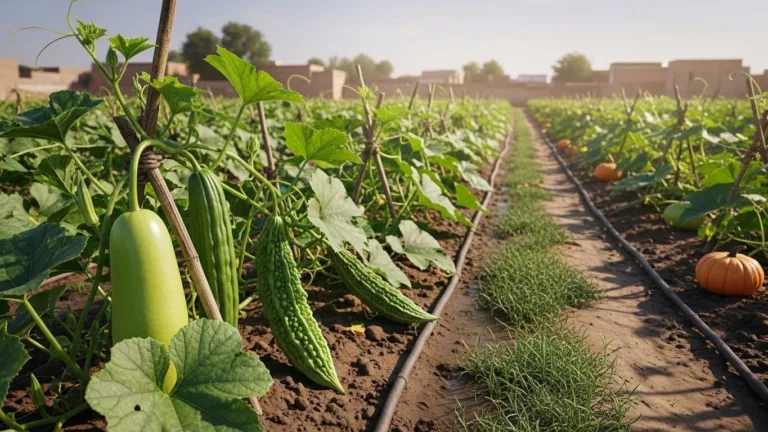
Picture this: it’s July in Pakistan, the sun is blazing hot, and you’re standing in your kitchen wondering what fresh vegetables you can cook for dinner. July might seem like a tough month for growing anything, what with temperatures soaring past 40°C in many cities. But here’s the cool part (pun intended!), there are actually quite a few vegetables that absolutely love the Pakistani summer and grow like champions during this scorching month.
If you’ve ever helped your parents shop for vegetables or visited a local sabzi mandi, you’ve probably noticed that different vegetables show up at different times of the year. That’s because each vegetable has its own favorite weather conditions. Some vegetables are like those friends who love winter and bundling up in sweaters, while others are total summer fans who thrive in the heat. July vegetables in Pakistan belong to that second group, they’re the heat-loving superstars of the vegetable world!
In this article, we’re going to explore which vegetables grow during July in Pakistan, why they can handle the intense summer heat, and what makes them so special. Whether you’re curious about where your food comes from or thinking about starting a small kitchen garden, understanding July vegetables will help you appreciate the amazing variety that Pakistani farms produce even during the hottest month of the year.
Why July Is Actually Great for Certain Vegetables
You might think that nothing can survive Pakistan’s July heat, but nature has some pretty clever tricks up its sleeve. Many vegetables that grow during this month originally came from hot regions of the world, places like Africa, South America, and tropical Asia. Over thousands of years, these plants developed special features that help them not just survive but actually prefer hot weather.
Think of it like this: if you were born and raised in Multan or Jacobabad, you’d be much better at handling the local summer heat than someone who just moved there from a cooler country, right? It’s the same with vegetables. Plants like okra (bhindi), bottle gourd (kaddu), and bitter gourd (karela) have deep root systems that reach far into the soil to find water. They also have leaves that can close their pores during the hottest part of the day to prevent water loss, kind of like how you might close your windows to keep the hot air out.
Another reason July is good for certain vegetables is the monsoon season. While not all parts of Pakistan get heavy monsoon rains, many agricultural areas do receive some rainfall during July, which gives these summer vegetables the water they need to grow strong and healthy. The combination of heat, sunlight, and occasional rain creates the perfect recipe for these tough vegetables to flourish.
The Top Vegetables That Love Pakistan’s July Weather
Okra (Bhindi) is probably the most popular July vegetable in Pakistan. This green, finger-shaped vegetable is everywhere during summer months. Okra plants absolutely adore hot weather, in fact, they won’t even grow properly if it’s too cool. The plant produces beautiful yellow flowers that turn into the okra pods we eat. What’s really interesting is that okra grows incredibly fast in July’s heat. A single plant can produce new pods almost every other day! Pakistani farmers love growing okra during summer because it gives them a steady harvest for weeks.
Bottle Gourd (Kaddu or Ghia) is another July superstar. This vegetable grows on vines that can spread across your entire garden or rooftop if you let them. The plant produces large, pale green gourds that can grow surprisingly big, sometimes as long as your arm! Bottle gourd loves the long, sunny days of July because more sunlight means more energy for the plant to produce those big, healthy gourds. Many Pakistani families grow bottle gourd on their rooftops because the spreading vines actually provide natural shade and help cool the building below.
Bitter Gourd (Karela) might not be everyone’s favorite taste-wise (it’s called bitter for a reason!), but this bumpy, green vegetable is incredibly tough and heat-resistant. Karela grows on climbing vines and produces ridged, cucumber-shaped fruits that are packed with nutrients. Even though July’s heat would stress out many other plants, bitter gourd keeps producing throughout the hottest weeks. It’s like the marathon runner of the vegetable world, it just keeps going when others give up.
Cluster Beans (Gawar Phali) are long, slim green beans that grow in bunches, or clusters, on bushy plants. These beans are super popular in Punjab and Sindh during July. The plants don’t need much water compared to other vegetables, which makes them perfect for areas where water is scarce. Farmers often say that gawar phali is one of the easiest summer vegetables to grow because it’s so low-maintenance.
Other July Favorites You’ll Find at Pakistani Markets
Beyond the main four, several other vegetables do really well during July in Pakistan. Eggplant (Baingan) continues producing its purple, shiny fruits throughout the summer. The plants are quite beautiful, with light purple flowers that eventually become the eggplants we cook. Ridge Gourd (Tori) is another gourd family member that thrives in July heat, growing long, ridged green vegetables that are great in curries.
Spinach (Palak) might surprise you, but certain heat-tolerant varieties can grow during Pakistani summers, especially in areas that aren’t extremely hot or have some shade. Amaranth (Cholai) is actually better at handling heat than spinach and produces nutritious leaves throughout July. Some farmers also grow summer squash and cucumber (Kheera), though cucumbers do better if they get some afternoon shade during the most intense heat.
Don’t forget about chili peppers (Mirch)! Whether green or red, hot or mild, chili plants absolutely love July in Pakistan. They keep producing peppers throughout the summer months, which is why fresh green chilies are always available at your local vegetable shop even during the hottest weeks.
How These Vegetables Survive the Extreme Heat
You might wonder how these vegetables can possibly grow when temperatures hit 40°C or higher. The secret is in their biology and how Pakistani farmers take care of them. Most July vegetables have developed thick, waxy coatings on their leaves that act like natural sunscreen, reflecting some of the intense sunlight and preventing too much water from evaporating. It’s similar to how you might wear light-colored clothes in summer to stay cooler.
These plants also have something called deep root systems. While the part of the plant you see above ground might only be a few feet tall, the roots underground can stretch down several feet into the soil. Down there, it’s cooler and moister, so the plant can access water that other, shallow-rooted plants can’t reach. Think of it like having a secret water source that others don’t know about!
Pakistani farmers also use smart techniques to help their July vegetables succeed. They often water their fields early in the morning or late in the evening when it’s cooler, so the water doesn’t evaporate immediately. Many farmers also use mulch (covering the soil with organic material like straw or dried leaves) around their plants, which keeps the soil cooler and holds moisture in. Some farmers even plant their vegetables in slightly raised beds or mounds, which improves drainage and prevents roots from getting waterlogged during monsoon rains.
Why July Vegetables Are Important for Pakistan
Growing vegetables during July isn’t just about having fresh produce for your dinner table, though that’s definitely important! These summer vegetables play a crucial role in Pakistan’s agricultural economy. Millions of Pakistani farmers depend on their July vegetable crops for income during a time when many other crops can’t be grown.
From a nutrition standpoint, these vegetables provide essential vitamins and minerals during summer when our bodies need extra nutrients to cope with the heat. Vegetables like okra and bitter gourd are rich in vitamins A and C, which support your immune system. Bottle gourd is very hydrating because it’s mostly water, making it perfect for hot weather when you need to stay hydrated.
There’s also an environmental benefit. Many July vegetables, especially members of the gourd family, have large leaves that provide shade to the soil below. This natural shade helps prevent soil erosion and keeps the ground from drying out completely. It’s like nature’s own cooling system! Plus, these plants often attract beneficial insects like bees and butterflies, which help pollinate other plants and keep the ecosystem healthy.
Growing Your Own July Vegetables at Home
If all this talk about July vegetables has made you want to try growing some yourself, you’re in luck! Many of these vegetables can be grown in pots on a balcony or in a small garden space. Okra is probably the easiest to start with, just plant seeds in a large pot with good drainage, place it where it gets plenty of sunlight (which isn’t hard to find in July!), and water it regularly.
Bottle gourd and bitter gourd need more space because they’re climbing vines, but if you have a rooftop or a sunny wall, you can train them to grow upward on a trellis or rope. The best part about growing your own vegetables is that you can control what goes into them. No pesticides, no chemicals, just pure, healthy vegetables grown with your own care.
Even if you don’t have space to grow vegetables, you can still support local farmers who do. When you buy July vegetables from local markets or farms like Multanfarms.com, you’re helping Pakistani agriculture thrive. You’re also getting fresher vegetables that haven’t traveled hundreds of miles to reach you, which means they’re more nutritious and taste better too.
The Future of Summer Vegetables in Pakistan
As Pakistan’s climate continues to change, understanding which vegetables can handle extreme heat becomes even more important. Scientists and agricultural experts are working on developing new varieties of vegetables that can tolerate even higher temperatures and need less water. They’re also looking at traditional Pakistani vegetables that our ancestors grew, many of which were naturally adapted to hot conditions but have been forgotten over time.
There’s also growing interest in using technology to help summer vegetables grow better. Some farmers are experimenting with shade nets that reduce the intensity of sunlight without completely blocking it, creating a more comfortable environment for vegetables. Others are using drip irrigation systems that deliver water directly to plant roots, wasting much less water than traditional flooding methods.
Wrapping It Up
So, the next time you’re eating bhindi or kaddu during a hot July day, remember that you’re eating vegetables that are specially designed by nature to thrive in exactly the weather conditions that make you want to stay inside with the AC on full blast! These tough, heat-loving plants are proof that nature has solutions for every challenge, even Pakistan’s intense summer heat.
July vegetables in Pakistan aren’t just survivors, they’re thrivers. They give us fresh, nutritious food during one of the most challenging months of the year, support millions of farming families, and show us that with the right adaptations, life can flourish even in extreme conditions. Whether you’re buying them from Multanfarms.com or your local vegetable vendor, these summer vegetables deserve appreciation for the important role they play in Pakistani cuisine and agriculture.
What’s your favorite July vegetable, and have you ever thought about where it comes from or how it grows in such hot weather? Maybe this summer, you’ll look at that plate of okra or bitter gourd with a bit more respect!