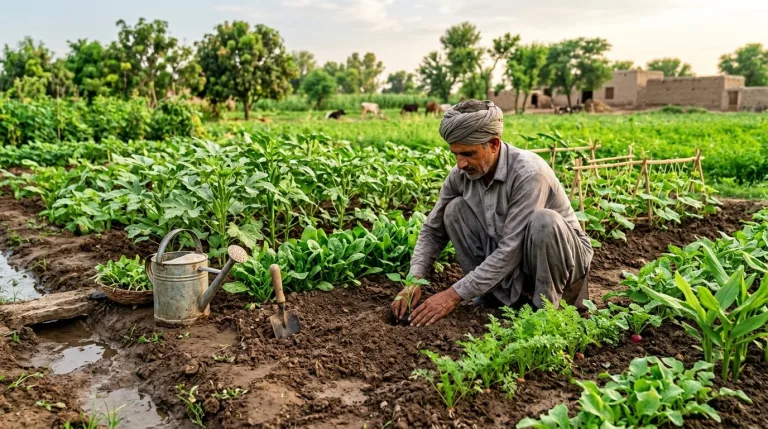
August is one of those months that separates the serious farmer from the occasional gardener. The heat is still intense, the monsoon rains are rolling through, and yet this is exactly when the most productive vegetable season begins to take shape. If you plan your August vegetable farming right, you set yourself up for a harvest that carries you well into winter.
So what makes August so important? It sits at a turning point. The tail end of summer crops are still growing, and the window for sowing cool-season vegetables is beginning to open. Get this balance right, and your fields or kitchen garden will be producing non-stop.
Why August Is a Critical Month for Vegetable Farmers
August in Pakistan, especially in regions like South Punjab, brings both challenge and opportunity. The monsoon season keeps soil moisture levels high, which means seeds germinate quickly and transplants settle in without as much stress. But that same humidity creates perfect conditions for fungal diseases and root rot if you’re not careful.
The key is working with the season, not against it. Warm, moist conditions actually favour a whole category of vegetables that thrive in heat. At the same time, late August is when you should begin preparing seedlings for the cool-season crops that will dominate September, October, and beyond.
Vegetables You Can Still Sow in August
Several warm-season vegetables are well-suited to August sowing and will produce a solid harvest before temperatures drop.
Bhindi (Okra) is one of the most reliable crops for this time of year. It loves heat, tolerates humidity reasonably well, and produces abundantly in a short period. Sow seeds directly into well-drained beds, because okra doesn’t like waterlogged roots.
Karela (Bitter Gourd) is another August-friendly crop. It’s a climbing vine, so you’ll need to set up a trellis or support structure. The fruit develops quickly in warm weather, and there’s consistent demand for it in both homes and local markets.
Tinda (Indian Round Gourd) and tori (ridge gourd) also perform well when planted in August. These are fast-growing cucurbits that benefit from the warm nights and moist soil that monsoon conditions provide.
Preparing for the Winter Vegetable Season
This is where experienced farmers gain a real edge. While everyone else waits until September to think about winter crops, the smart move is to start your nursery seedlings in late August.
Tamatar (Tomatoes) are best sown in nursery trays in August so that by late September or October, you have strong transplants ready to go into the ground. Starting early means your tomato plants will begin producing at exactly the right time. The same logic applies to shimla mirch (bell pepper) and mirch (chillies), both of which need a longer growing period and benefit enormously from an early start.
Phool gobi (Cauliflower) and band gobi (Cabbage) seedlings should be started in late August as well. These crops are sensitive to transplant shock, so giving them time in the nursery under controlled conditions, rather than direct sowing into the field, dramatically improves their survival rate and eventual yield.
Soil and Water Management in August
Hot, humid weather means your soil management approach needs to be different from other months. Drainage is your top priority. Even a single episode of waterlogging can wipe out a vegetable bed because roots suffocate quickly and fungal infections move in fast.
Raised beds are a practical solution, especially in areas prone to heavy monsoon rainfall. Adding organic matter like compost or well-rotted manure before sowing improves both drainage and nutrient content. For fields, make sure channels are clear and water can move off the land quickly after rain.
Watering frequency should also be adjusted based on actual rainfall. If the monsoon is delivering steady rain, reduce irrigation to avoid overwatering. If there’s a dry spell, increase frequency in the early morning so that leaves dry out during the day and don’t sit wet overnight, which invites disease.
Pest and Disease Watch in August
August brings a surge in pest activity alongside the humidity. Aphids, whiteflies, and spider mites are common visitors to vegetable crops during this period. The best approach is early scouting, walking your rows regularly and catching problems before they escalate into infestations.
For disease management, focus on spacing. Crowded plants with poor airflow are far more vulnerable to fungal diseases like downy mildew and powdery mildew. Give each plant enough room, remove damaged or diseased leaves promptly, and avoid overhead irrigation if you can water at the base instead.
Neem-based sprays are a practical, low-cost option that many Pakistani farmers rely on for both pest and disease control in vegetable crops. They’re effective against a broad range of common problems and leave minimal residue on edible produce.
Planning Your August Harvest Calendar
Good August vegetable farming isn’t just about planting, it’s about timing your harvests to hit the market at the right moment. Crops like okra and bitter gourd need to be picked frequently, often every two to three days, to keep the plants producing and to ensure the fruit doesn’t get overripe and tough.
For crops that you’re starting in nurseries now, mark your expected transplant dates and projected harvest windows on a simple calendar. This kind of planning prevents the all-too-common situation where several crops mature at the same time, flooding the household or market with produce that can’t all be sold or used at once. Staggered sowing, even by just a week or two, spreads the harvest out beautifully.
The Rewards of Getting August Right
August vegetable farming rewards preparation and attention. The farmers who plan their sowing schedule, manage soil drainage, start winter crop seedlings on time, and stay on top of pests and disease are the ones who walk into autumn with thriving plants and healthy harvests, rather than scrambling to catch up.
Whether you’re managing a commercial farm or a kitchen garden behind your home, August is the month to be active, not passive. Every decision you make now, from what you plant to how you prepare your soil, directly shapes what lands on the table in the months ahead.
For more practical farming guides rooted in Pakistan’s soil and seasons, explore Multanfarms.com. Real knowledge, grown right here.