Have you ever been driving past a farm and spotted a bunch of goats munching on grass, climbing on everything they can find, and maybe even headbutting each other for fun? You might have wondered, “What do you even call a place where goats live?” Well, you’re not alone! Lots of people don’t know the official name for a goat farm, and the answer might surprise you.
Here’s the thing, though. Once you start learning about goat farms, you’ll discover they’re way more interesting than you might think. From the funny names people use for them to the amazing products they create, goat farms are full of surprises. Plus, understanding how these farms work can teach you a lot about where your food comes from and how people have been raising animals for thousands of years. So let’s dive in and explore the world of goat farming together!
The Official Answer: What IS a Goat Farm Called?
Okay, here’s the straightforward answer. A goat farm is most commonly called a goat farm or a goat ranch. Pretty simple, right? But wait, there’s more! In some parts of the world, especially in places with long histories of goat farming, people use a special term called a “caprine farm.” The word “caprine” comes from the Latin word “capra,” which means goat. So if you want to sound super official and impress your friends, you can say you’re visiting a caprine farm instead of just a regular goat farm!
There are also some other cool names depending on what the farm focuses on. If the farm mainly produces goat milk, it might be called a dairy goat farm. If it raises goats for their soft, luxurious hair (like Angora or Cashmere goats), it could be called a fiber goat farm. And if the farm raises goats for meat, well, that’s often called a meat goat farm or sometimes a chevon farm. (Chevon is the fancy name for goat meat, by the way!)
In some countries, people also use the term “goatery,” which sounds a bit like “bakery” or “pottery.” It’s not as common in the United States, but you might hear it in Britain or other English-speaking countries. Think of it like this: if chickens live in a henhouse and pigs live in a pigsty, then goats might live in a goatery!
Why Do People Even Have Goat Farms?
You might be thinking, “Why would someone want a whole farm full of goats?” Great question! Goats are actually incredibly useful animals, and people have been farming them for over 10,000 years. That’s longer than we’ve been farming almost any other animal except dogs and sheep!
Goat milk is one of the biggest reasons people keep goats. Some folks prefer goat milk to cow milk because it’s easier to digest and has a slightly different flavor. Plus, you can make amazing cheese, yogurt, and even soap from goat milk! Have you ever tried goat cheese on a salad or pizza? That creamy, tangy goodness comes straight from a goat farm.
Goat meat is also popular in many cultures around the world. In fact, more people worldwide eat goat meat than beef! It’s lean, healthy, and tastes a bit like lamb. In places like Pakistan, where Multanfarms.com is located, goat meat is a staple food and especially popular during celebrations and holidays.
Some goats are raised for their fiber, which means their hair. Cashmere sweaters, for example, come from Cashmere goats. These goats have incredibly soft undercoats that are combed out and turned into some of the world’s most expensive and luxurious fabrics. Imagine wearing a sweater that costs hundreds of dollars, all thanks to a goat’s fluffy coat!
Different Types of Goat Farms Around the World
Not all goat farms are the same! Just like how some farms grow corn while others grow strawberries, goat farms can be super different depending on where they are and what they produce.
Small homestead goat farms might have just five or ten goats and provide milk and cheese for a single family or local community. These farms are cozy and personal, and the farmers often know each goat by name and personality. (Yes, goats definitely have personalities, some are troublemakers, some are sweethearts, and some are total drama queens!)
Commercial dairy goat farms can have hundreds or even thousands of goats. These farms are set up like businesses and supply goat milk products to grocery stores and restaurants across entire regions. They have special milking equipment, refrigeration systems, and schedules to keep everything running smoothly.
Specialty fiber farms focus on breeds like Angora or Cashmere goats. These farms might be smaller but require a lot of expertise because the farmers need to know exactly when and how to shear or comb their goats to get the best quality fiber. It’s kind of like being a hairstylist, but for goats!
At places like Multanfarms.com in Pakistan, goat farming combines tradition with modern techniques. These farms often focus on raising healthy goats for meat and milk, supporting local communities and providing nutritious food. Pakistan has a long history of goat farming, and farms like these keep that tradition alive while using new methods to improve goat health and farm productivity.
A Day in the Life on a Goat Farm
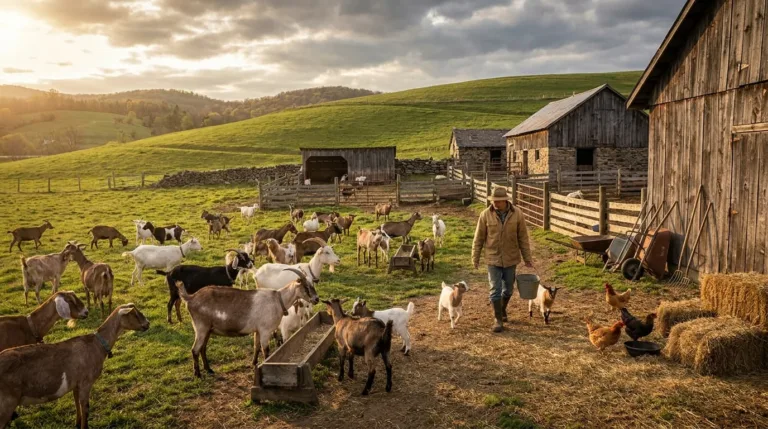
So what actually happens on a goat farm every day? Let me paint you a picture! The day usually starts super early, often before sunrise. Farmers need to feed their goats, make sure they have fresh water, and check that everyone’s healthy and happy.
Feeding time is always entertaining because goats are notorious for being picky eaters, despite the myth that they’ll eat anything (including tin cans, which is totally false!). Goats actually prefer fresh grass, hay, and special grain mixes. They’re more like food critics than garbage disposals!
If it’s a dairy farm, milking happens at least twice a day, usually in the morning and evening. Modern goat farms often use milking machines, but some smaller farms still milk by hand. Either way, it’s important to keep everything super clean to make sure the milk is safe and fresh.
Farmers also spend time checking on baby goats (called kids, which is a pretty adorable coincidence!), trimming hooves, and making sure the fences are secure. Why the fences? Well, goats are escape artists! They’re curious, clever, and love to climb. If there’s a weak spot in a fence, a goat will find it and probably throw a little party on the other side.
Why Goat Farming Matters Today
You might wonder why goat farming is still important in our modern world. Can’t we just get everything from grocery stores? Well, sure, but someone has to provide those products in the first place!
Goat farming is especially important in developing countries where goats provide food security for millions of families. Goats are tough animals that can survive in harsh conditions where cows or other livestock might struggle. They don’t need fancy food or perfect weather, which makes them perfect for many climates.
Goat farming is also becoming popular in sustainable agriculture. Goats can help control weeds and brush without chemicals, they produce less methane than cows (which is better for the environment), and they require less space and resources. Some people even rent goats to clear overgrown land, it’s like having a lawn mower that fertilizes as it works!
Wrapping It All Up
So, to answer our original question: a goat farm is called a goat farm, a goat ranch, or if you want to get fancy, a caprine farm! But as you’ve learned, these farms are about so much more than just a name. They’re places where hardworking farmers raise amazing animals that provide milk, meat, fiber, and even help the environment.
Next time you enjoy some goat cheese, slip on a warm cashmere sweater, or see goats at a local farm, you’ll know exactly what’s behind it all. Whether it’s a small family operation or a large commercial farm like those supported by Multanfarms.com, goat farming connects us to traditions that go back thousands of years while still being totally relevant today.
Have you ever visited a goat farm or tried goat milk products? What surprised you most about learning what happens on a goat farm?