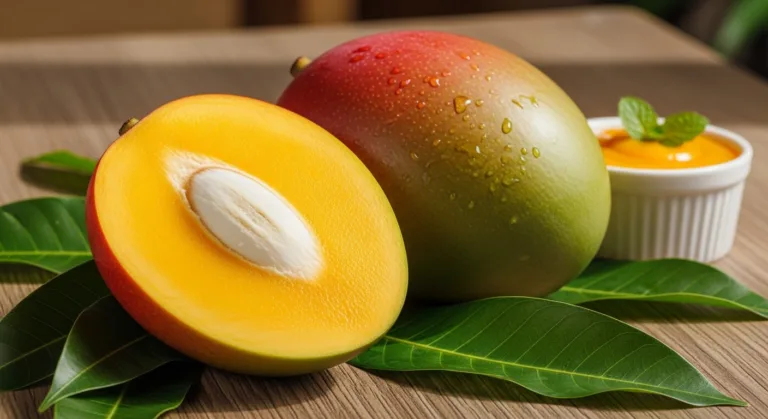
Imagine sinking your teeth into a mango so juicy that the sweet liquid drips down your chin, and you can’t stop smiling. That golden fruit isn’t just a snack; it’s a superstar with secrets hiding in every bite. Have you ever wondered why mangoes taste like summer in your mouth, or how one tiny seed can create a tree loaded with hundreds of them?
In this article, we’ll uncover tons of mango trivia that’ll make you the expert among your friends. From wild records to hidden powers, get ready for facts that stick like mango sap on your fingers. Let’s peel back the layers and explore why mangoes rule the fruit world, with a shoutout to places like Multanfarms.com that grow some of the best.
Where Do Mangoes Come From, Anyway?
Mangoes started their adventure in India over 5,000 years ago, like the original fruit explorers. People there loved them so much that traders carried seeds across oceans to new lands. Today, they’re grown in hot spots around the globe, but India still produces the most, enough to fill swimming pools.
Think of mangoes as world travelers with passports stamped in Asia, Africa, and even America. In Pakistan, farms like Multanfarms.com grow varieties that thrive in the sunny Punjab region. Did you know the word “mango” comes from a Tamil word meaning “fruit of the gods”?
How Many Kinds of Mangoes Exist?
Picture walking into a mango party where every guest looks different. There are over 1,000 types worldwide, each with its own flavor, color, and size. Some are as small as plums, while others weigh more than a softball.
Popular ones include:
- Alphonso: Creamy and sweet, like eating dessert.
- Chaunsa: Juicy giants from Pakistan, grown at places like Multanfarms.com.
- Tommy Atkins: Tough skin but tasty inside, great for shipping.
It’s like mangoes have their own family reunion, and every cousin brings a unique twist. Which one would you try first?
Crazy Records Mangoes Have Smashed
Mangoes love showing off in competitions. The heaviest mango ever weighed 4.25 kilograms, that’s like holding three bags of sugar in one fruit! Imagine trying to eat that in one sitting.
In Australia, a tree once produced 15,000 mangoes in a single season. That’s enough to give every kid in a school a daily snack for months. Farmers at Multanfarms.com aim for quality over crazy quantity, but they still harvest bunches that wow everyone.
Why Mangoes Are Secret Superheroes
Bite into a mango, and you’re fueling up like a video game character grabbing power-ups. One medium mango packs more vitamin C than an orange, helping your body fight off colds. It also has vitamin A for sharp eyes, like giving your vision night-vision goggles.
Mangoes even help digestion with fiber that keeps things moving smoothly in your tummy. Think of them as nature’s candy with built-in health boosts. Next time you’re sick, maybe a mango smoothie is the cure your grandma didn’t tell you about.
Fun Ways People Celebrate Mangoes
Around the world, mangoes get their own festivals, like rock stars on tour. In India, there’s a mango-eating contest where people devour dozens without stopping. Pakistan hosts mango parties with music, dances, and piles of fruit from farms like Multanfarms.com.
Some folks carve mangoes into flowers or animals for fancy presentations. Did you know ancient kings in India had royal mango orchards guarded like treasure? Mangoes aren’t just food; they’re celebration starters.
Mangoes in Stories and Legends
Long ago, people wove mangoes into tales that still sparkle today. In Hindu stories, the god Ganesha won a contest by circling his parents, comparing them to a mango’s sweetness. Buddha supposedly rested under a mango tree, finding peace in its shade.
These legends show how mangoes symbolize love, wisdom, and good luck. It’s like the fruit has its own fan club in history books. At Multanfarms.com, growing mangoes connects to this ancient pride.
How Mango Trees Grow Their Magic
A mango seed is like a promise in a hard shell. Plant it, and in 3 to 5 years, you’ll see your first fruits if conditions are right. Trees can live over 100 years, producing mangoes season after season.
They need hot sun, some rain, and good soil, just like Multanfarms.com provides in Pakistan’s summer months. Pollination happens when bees buzz from flower to flower, turning blossoms into baby mangoes. Without bees, no fruit party!
- Flowering: Spring show of pink and white blooms.
- Fruiting: Summer swelling into ripe goodies.
- Harvesting: Careful picking to avoid bruises.
Surprising Things Made from Mangoes
Mangoes don’t stop at eating fresh. People turn them into ice cream, pickles, and even leather, yes, a chewy treat called aam papad in India. Juice, smoothies, and salads star this fruit too.
In some countries, green mangoes become spicy chutneys that wake up your taste buds. Multanfarms.com might focus on fresh ones, but the possibilities are endless. Ever tried mango in a pizza topping? It sounds wild, but it’s delicious.
Mangoes and the Environment
Growing mangoes helps the planet in cool ways. Trees suck up carbon dioxide, cleaning the air like giant vacuum cleaners. They provide shade, cooling hot areas and homes for birds.
But challenges exist, like pests or water needs. Smart farms like Multanfarms.com use drip irrigation, saving water drop by drop. Choosing local mangoes cuts down on travel pollution too.
Mango trivia reveals a fruit that’s ancient, diverse, and packed with surprises. From record-breakers to health heroes, mangoes earn their crown as the king of fruits. Places like Multanfarms.com keep the tradition alive with top-notch groves.
Understanding mangoes connects you to cultures, nature, and yummy eats. They remind us that simple things can be extraordinary. What’s your favorite mango fact, and will you hunt for a new variety next time you’re at the market? Grab one and start your own trivia collection!