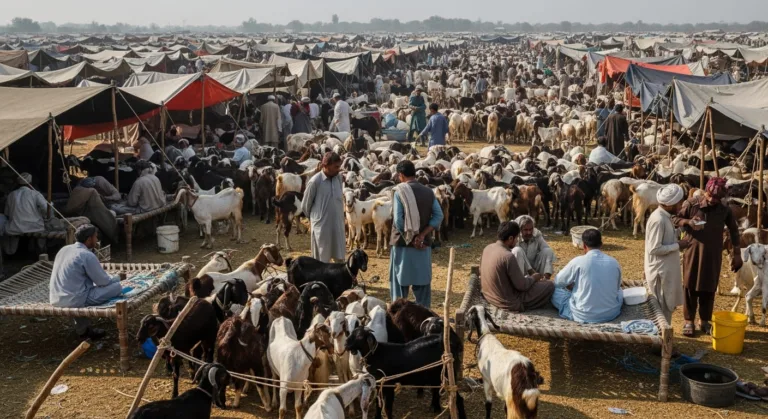
Have you ever driven past a field full of goats and wondered where they all come from? Or maybe you’ve asked yourself who takes care of hundreds, or even thousands, of goats at once? Well, here’s something that might blow your mind: Pakistan is home to some of the largest goat farms in the entire world! These aren’t just your average backyard farms with a few goats munching on grass. We’re talking about massive operations that look more like small cities for goats.
Pakistan is actually one of the top goat-producing countries globally, and goat farming plays a huge role in the country’s agriculture and economy. When we talk about the biggest goat farm in Pakistan, we’re diving into a world where tradition meets modern farming techniques, where thousands of goats are raised with care, and where families depend on these farms for their livelihoods. So buckle up, because you’re about to discover why goat farming is such a big deal in Pakistan, and what makes these mega-farms so special!
Where Are Pakistan’s Giant Goat Farms Located?
When you think about goat farming in Pakistan, one region stands out above the rest: Punjab. This province is like the superstar of goat farming, especially in cities like Multan, which is often called the “City of Saints” but could easily be called the “City of Goats” too! The fertile land, perfect climate, and access to water make Punjab an ideal spot for raising healthy, happy goats.
The biggest commercial goat farms in Pakistan are spread across Punjab, Sindh, and parts of Khyber Pakhtunkhwa. These farms can house anywhere from 5,000 to over 20,000 goats at a time. Imagine trying to remember the names of 20,000 goats! That’s more goats than students in most entire school districts. Some of the most well-known large-scale farms focus on breeding specific types of goats that are famous in Pakistan, like the Beetal, Teddy, and Kamori breeds. Each breed has its own special characteristics, kind of like how different dog breeds have different personalities and looks.
What Makes a Goat Farm “Big” Anyway?
You might be wondering, what exactly makes a goat farm qualify as “the biggest”? Is it just about having the most goats? Well, not exactly. Size matters, sure, but modern mega-farms are measured by several factors. First, there’s the number of goats, which we’ve already mentioned can reach into the tens of thousands. Second, there’s the land area, because these goats need plenty of space to roam, eat, and stay healthy.
But here’s where it gets interesting: the biggest farms also have the most advanced facilities. We’re talking about farms with veterinary clinics right on the property, special feeding systems that ensure every goat gets the right nutrition, and even computerized tracking systems to monitor each animal’s health. Think of it like a high-tech hospital meets a five-star hotel, but for goats! These farms also employ dozens, sometimes hundreds, of workers who specialize in everything from breeding to healthcare to managing the business side of things.
The really big operations also focus on breeding programs. They carefully select which goats mate with which to create offspring with the best traits, like producing more milk, growing faster, or having better quality meat. It’s a bit like how plant breeders create new types of roses or tomatoes, except with goats!
Why Is Goat Farming Such a Big Deal in Pakistan?
Here’s something that might surprise you: goats are incredibly important to Pakistan’s economy and culture. Pakistan has over 80 million goats, making it one of the largest goat populations in the world. That’s more goats than there are people in most countries! But why are goats so popular?
First off, goats are super versatile animals. They provide milk, which is actually easier for some people to digest than cow’s milk. They provide meat, which is a major protein source for millions of families. Their skin and hair can be used to make leather and textiles. In rural areas, goats are like walking ATMs, you can sell one when you need cash for an emergency or a special occasion.
During religious festivals like Eid ul-Adha, the demand for goats skyrockets. Families across Pakistan purchase goats for sacrifice, and this is when the big farms really show their importance. They supply healthy, well-bred animals to meet this massive demand. It’s similar to how Christmas tree farms gear up for December, but on a much larger scale. The biggest goat farms play a crucial role in making sure there are enough quality animals available when millions of people need them.
How Do These Mega-Farms Actually Work?
Running a goat farm with thousands of animals isn’t like taking care of a pet hamster. It requires serious organization, knowledge, and technology. Let’s break down how these operations function day-to-day.
Every morning starts with feeding time. The goats get a carefully planned diet that might include fresh fodder (that’s grass and plants), grains, and special vitamin supplements. Workers move through different sections of the farm, making sure water troughs are full and clean. Cleanliness is super important because diseases can spread quickly when animals live close together.
Health checks happen regularly. Veterinarians and trained staff examine goats for any signs of illness, give vaccinations, and treat any sick animals immediately. Many large farms have isolation areas where sick goats can recover without spreading germs to the healthy ones. It’s kind of like when you stay home from school when you’re sick so you don’t give your cold to your classmates!
Breeding is another huge part of the operation. Farm managers keep detailed records of which goats are related to each other, when they were born, and what their characteristics are. This helps them make smart breeding decisions. Modern farms even use artificial insemination sometimes, which means they can breed their goats with top-quality males from other farms without having to transport animals long distances.
What Challenges Do Big Goat Farms Face?
You might think that running a huge goat farm is all sunshine and profits, but it actually comes with some serious challenges. One of the biggest issues is disease management. When you have thousands of animals living together, one sick goat can quickly become a whole herd of sick goats. Farmers have to be super vigilant and act fast when illness strikes.
Another challenge is the cost. Setting up a large goat farm requires a massive investment. You need to buy land, build shelters, purchase the initial herd, hire workers, and buy equipment. Many farmers take out loans to get started, which means they’re under pressure to make the farm profitable quickly. It’s a bit like starting any business, there’s risk involved.
Climate change is also becoming a concern. Extreme heat, unexpected droughts, or flooding can all affect the farm’s ability to produce enough food for the goats or can stress the animals themselves. Smart farmers are learning to adapt by planting drought-resistant fodder crops or installing cooling systems in goat shelters.
The Future of Goat Farming in Pakistan
So what’s next for Pakistan’s goat farming industry? The future actually looks pretty bright! More farmers are embracing technology and modern farming methods. Some farms are starting to use apps and software to track everything from feeding schedules to breeding records. This makes managing thousands of goats much easier and more efficient.
There’s also growing interest in organic and ethical farming practices. Some farms are focusing on giving goats more space to roam freely and using natural medicines instead of antibiotics when possible. Consumers are becoming more interested in where their food comes from, just like you might want to know if your chicken nuggets are made from real chicken or mysterious stuff!
Export opportunities are expanding too. Pakistani goat breeds are gaining recognition internationally for their quality meat and milk production. This means the biggest farms aren’t just serving local markets anymore, they’re competing on the global stage. It’s exciting to think that goats raised in Punjab might end up feeding families halfway around the world!
Why Should You Care About Goat Farming?
You might be wondering why any of this matters to you. Well, here’s the thing: agriculture connects all of us, whether we live in a city or the countryside. The food on your table, the leather shoes you might wear, and even some of the medicines we use can be traced back to farms like these.
Understanding where our food comes from helps us make smarter choices as consumers. It also gives us appreciation for the hard work that goes into feeding millions of people. Those farmers waking up at dawn to check on their goats? They’re part of a massive system that keeps our world running.
Plus, Pakistan’s success in goat farming shows that with the right knowledge, dedication, and resources, agriculture can be both traditional and cutting-edge at the same time. The biggest goat farms in Pakistan prove that you can honor old farming methods while embracing new technology to create something truly impressive.
So next time you see goats, whether in real life or in pictures, you’ll know there’s a whole fascinating world behind them. From the smallest family farm to the biggest commercial operations, goat farming is helping shape Pakistan’s present and future. Pretty cool, right? What other everyday things around you have amazing stories behind them that you’ve never thought about?