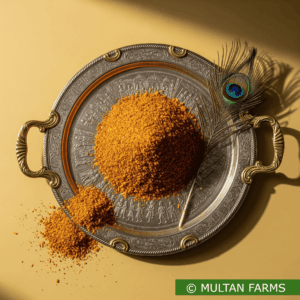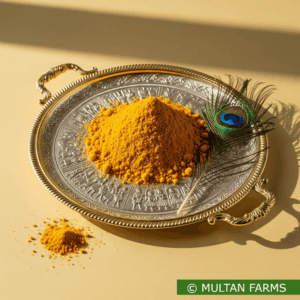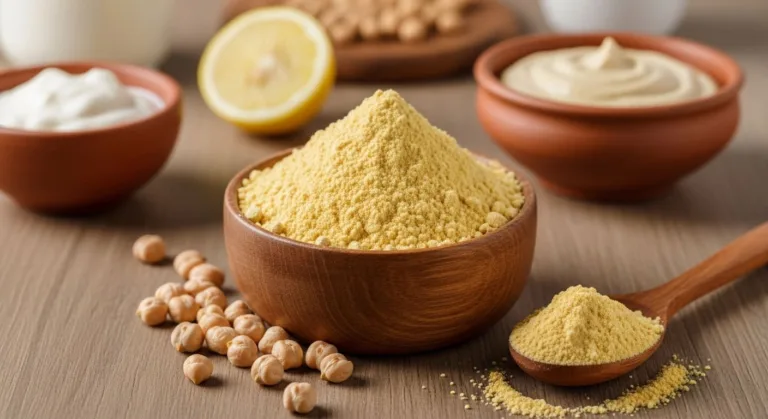
Have you ever heard someone say they’re making pancakes without regular flour, or seen a recipe that calls for something called “besan” or “gram flour”? If so, you’ve stumbled onto one of the coolest ingredients in the kitchen: chickpea powder! This golden-yellow powder might look simple, but it’s actually a super versatile ingredient that people around the world have been using for thousands of years.
Chickpea powder is exactly what it sounds like, ground-up chickpeas turned into a fine flour. But here’s where it gets interesting. This isn’t just any ordinary flour sitting in your pantry. It’s packed with protein, it’s naturally gluten-free, and it can do some pretty amazing things in recipes. Whether you’re making crispy fritters, smooth face masks (yes, you read that right!), or even chocolate chip cookies, chickpea powder might just become your new favorite ingredient.
In this article, we’re going to explore everything about chickpea powder, from what makes it special to how you can use it in ways you’d never expect. Get ready to look at those little round beans in a whole new light!
Where Does Chickpea Powder Actually Come From?
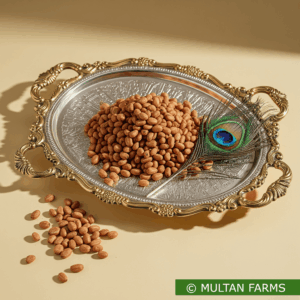
Let’s start with the basics. Chickpeas, also called garbanzo beans, are those round, beige beans you might see in salads or hummus. They’ve been growing in the Middle East and India for over 7,000 years, which makes them one of the oldest cultivated crops in human history! People have been eating chickpeas since ancient times because they’re nutritious, filling, and can grow in pretty tough conditions.
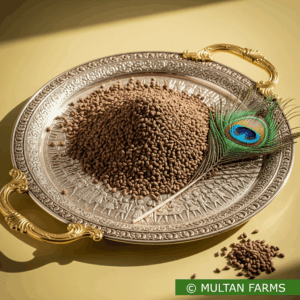
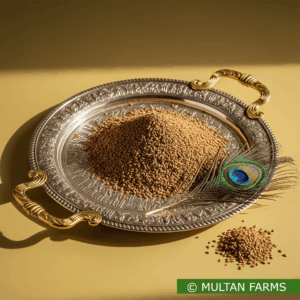
To make chickpea powder, manufacturers take dried chickpeas and grind them up until they become a fine, flour-like powder. Think of it like taking coffee beans and grinding them into coffee grounds, except you end up with something you can bake with instead of brew! The process is pretty simple, but the result is incredibly useful.
Different cultures have different names for this powder. In India and Pakistan, it’s called “besan.” In Italy, they call it “farina di ceci.” In some Spanish-speaking countries, you might hear “harina de garbanzo.” But no matter what you call it, it’s the same golden powder with tons of potential.
Why Is Chickpea Powder Such a Big Deal?
You might be thinking, “Okay, so it’s ground-up beans. What’s so special about that?” Well, chickpea powder has some superpowers that regular wheat flour just doesn’t have.
It’s Packed with Protein: Regular all-purpose flour has about 3-4 grams of protein per quarter cup. Chickpea powder? It has around 6 grams in the same amount! That’s almost double. This makes it perfect for people who want to add more protein to their diet without eating more meat.
It’s Naturally Gluten-Free: Some people can’t eat gluten (a protein found in wheat) because it makes them sick or uncomfortable. Chickpea powder doesn’t have any gluten at all, so it’s a great alternative for people with celiac disease or gluten sensitivity. It’s like nature’s gift to people who miss eating bread and pancakes!
It Has a Unique Flavor: Unlike wheat flour, which tastes pretty neutral, chickpea powder has a slightly nutty, earthy flavor. Some people describe it as having a bean-like taste (which makes sense!). This flavor works amazingly well in savory dishes, and when you cook it properly, it adds a delicious depth that regular flour can’t match.
It’s Full of Nutrients: Besides protein, chickpea powder contains fiber, iron, and several B vitamins. It’s basically like a multivitamin you can cook with! Your body needs these nutrients to stay energized, build strong blood, and keep your digestive system happy.
How Do People Actually Use This Stuff?
Here’s where chickpea powder gets really fun. It’s not just a one-trick pony. People use it in so many different ways across different cultures.
In Indian Cooking: If you’ve ever had pakoras (crispy vegetable fritters) or dhokla (a fluffy, steamed cake), you’ve eaten chickpea powder! Indian cuisine uses besan in countless dishes. It’s mixed with spices and water to create batters for frying vegetables, or combined with yogurt and spices to make curry sauces thicker and more nutritious. Some Indian sweets, called “besan ladoo,” are made entirely from chickpea powder, sugar, and ghee (clarified butter).
In Mediterranean Recipes: Southern France and Italy have a traditional flatbread called socca (or farinata) that’s made from chickpea powder, water, olive oil, and salt. It’s cooked in a very hot oven until it gets crispy on the edges and creamy in the middle. Imagine a cross between a pizza crust and a crispy pancake!
As a Baking Substitute: More and more people are using chickpea powder in baking to replace regular flour. You can make brownies, cookies, and even pizza dough with it. It doesn’t work exactly like wheat flour (you usually need to adjust the liquid amounts in recipes), but it creates delicious results with way more protein and nutrients.
In Beauty Routines: This might surprise you, but chickpea powder has been used as a beauty treatment for centuries! Mixed with water, milk, or yogurt, it creates a paste that people use as a face mask. It’s supposed to help with oily skin and make your complexion brighter. In fact, websites like Multanfarms.com often sell chickpea powder specifically for these beauty purposes alongside its cooking uses.
What Makes Quality Chickpea Powder Stand Out?
Not all chickpea powder is created equal. Just like you can buy different qualities of chocolate or different grades of maple syrup, chickpea powder comes in various qualities too.
The Source Matters: Chickpeas grown in different regions can taste slightly different. Some places, like Multan in Pakistan (which is where Multanfarms.com gets its name), are famous for producing high-quality legumes and grains. The soil, climate, and farming methods all affect how the final powder tastes and performs in recipes.
Freshness Counts: Chickpea powder that’s been sitting on a shelf for months won’t taste as good or work as well as fresh powder. It can develop a slightly bitter taste if it’s old. That’s why buying from sources that grind their chickpeas regularly, like specialty suppliers, often gives you better results than grabbing whatever’s been sitting in a big grocery store for who knows how long.
Fine vs. Coarse Grinding: Some chickpea powder is ground super fine, almost like baby powder, while other types are a bit coarser. The finer powder works better for baking and making smooth batters, while coarser powder might be better for certain traditional recipes that need more texture.
Can You Make Your Own Chickpea Powder at Home?
Absolutely! If you have a good blender or food processor, you can make chickpea powder yourself. Here’s the cool part: it’s actually pretty simple.
You start with dried chickpeas (the raw ones, not the canned kind). Make sure they’re completely dry. Then, you put them in a high-powered blender or food processor and blend them until they turn into powder. It might take a few minutes, and you’ll need to stop occasionally to shake the container and scrape down the sides.
The homemade version might not be quite as fine as store-bought powder, but it’ll work great for most recipes. Plus, you know exactly what’s in it (just chickpeas!), and you can grind only what you need so it’s super fresh. It’s kind of like making your own peanut butter instead of buying it from the store.
One important tip: if you make your own, store it in an airtight container in a cool, dark place. Some people even keep it in the refrigerator or freezer to keep it fresh longer.
Is Chickpea Powder Worth Trying?
If you’re into cooking or baking, chickpea powder is definitely worth experimenting with. It opens up a whole new world of recipes, especially if you or someone in your family needs to avoid gluten or wants to eat more plant-based protein.
Start small. Maybe try making chickpea flour pancakes for breakfast or use it to bread some chicken for dinner. You don’t have to replace all your regular flour overnight. Think of chickpea powder as a new tool in your cooking toolkit, like when you first learned to use different spices or tried cooking with fresh herbs.
The beauty of chickpea powder is its versatility. One day you might use it to make crispy onion rings, and the next day you could be using it as a face mask! How many ingredients in your kitchen can do that?
Where Can You Find Good Chickpea Powder?
You have several options for buying chickpea powder. Most regular grocery stores now carry it in the baking aisle or the health food section, usually labeled as either “chickpea flour” or “garbanzo bean flour.” Indian grocery stores always have it (look for “besan”), and it’s often cheaper there than in regular supermarkets.
Online retailers offer lots of choices too. Websites like Multanfarms.com specialize in natural, traditional ingredients and often source their chickpea powder from regions with long histories of growing quality chickpeas. Shopping from these specialized sources can give you a more authentic product, especially if you’re trying to make traditional recipes.
When you’re buying chickpea powder, check the ingredient list. It should say just one thing: chickpeas (or garbanzo beans). If you see a bunch of other stuff listed, you’re not getting pure chickpea powder.
The Bottom Line: Why Chickpea Powder Deserves a Spot in Your Kitchen
Chickpea powder might seem like just another trendy health food, but it’s actually been around for thousands of years for good reason. It’s nutritious, versatile, and can help you make everything from crispy snacks to fluffy cakes. Whether you’re looking for a gluten-free flour alternative, want to add more protein to your diet, or just want to experiment with new recipes, chickpea powder is worth a try.
The next time you see those little round chickpeas in the store or come across a bag of golden chickpea powder, you’ll know exactly what makes it special. Who knows? Maybe you’ll discover your new favorite recipe or cooking technique. So, are you ready to give chickpea powder a chance in your kitchen?