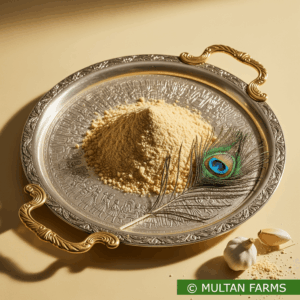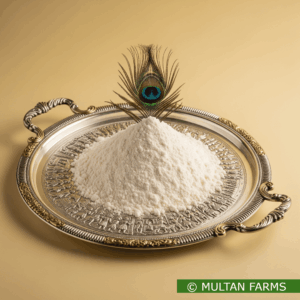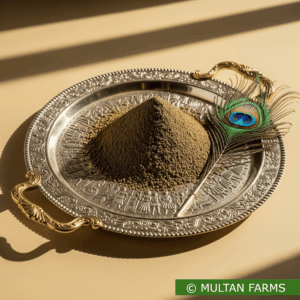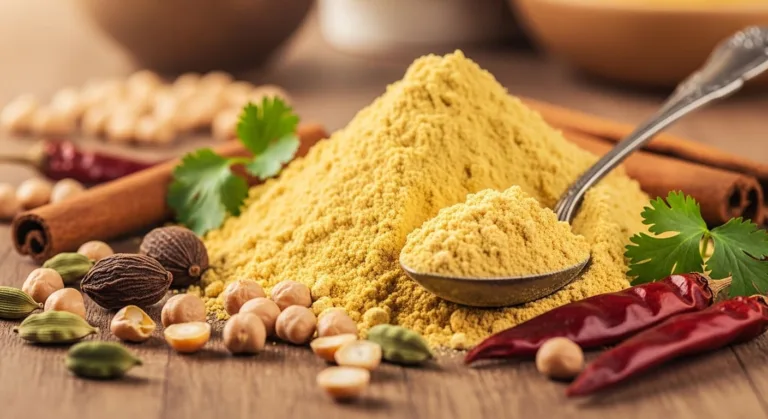
Have you ever walked into your kitchen and spotted a bag of yellowish flour sitting next to the regular white flour? If you’ve ever asked what it is, someone might have told you it’s besan. But that probably left you wondering, what exactly IS besan, and what’s it made from? Here’s something cool: this golden powder has been used in cooking for thousands of years, and it’s made from something you might not expect!
Besan isn’t just any ordinary flour. It’s a staple ingredient in millions of kitchens across South Asia, especially in countries like Pakistan and India. People use it to make everything from crispy snacks to face masks (yes, you read that right!). If you’ve ever eaten pakoras, those delicious fried fritters, or samosas with their crispy coating, you’ve already tasted besan without even knowing it.
In this article, we’re going to uncover the mystery behind besan. You’ll learn what it’s made from, how farmers grow the main ingredient, why it’s so popular, and how it goes from a farm field to your family’s kitchen. Get ready to discover why this simple flour is actually pretty amazing!
The Surprising Source: It All Starts with Chickpeas
Here’s the big reveal: besan is made from chickpeas! Yep, those small, round, beige-colored beans that you might have seen in salads or hummus. But besan isn’t made from just any type of chickpea. It’s specifically made from a variety called gram or Bengal gram, which are smaller and darker than the chickpeas you typically see in grocery stores.
Think of it like this: regular wheat flour comes from grinding wheat grains, right? Well, besan works the same way, except instead of wheat, you’re grinding up dried chickpeas into a fine powder. The chickpeas used for besan are first dried completely until they’re hard as rocks, then they’re ground into that beautiful golden flour you see in stores.
What makes chickpeas perfect for turning into flour? They’re naturally packed with protein and have a slightly nutty, earthy flavor that adds something special to whatever you’re cooking. Plus, chickpeas have been grown for over 7,000 years, making them one of humanity’s oldest crops!
From Field to Flour: The Besan Journey
So how do chickpeas turn into besan? Let’s follow the journey! It all begins on farms, like those in regions around Multan, Pakistan, where chickpeas grow really well in the local climate. Farmers plant chickpea seeds during the cooler months, usually around October or November, because chickpeas don’t like extreme heat.
The chickpea plants grow for about four to five months, developing pods that contain the precious chickpeas inside. When the pods turn brown and dry out, it’s harvest time! Farmers collect the pods, remove the chickpeas, and spread them out to dry in the sun. This drying process is super important because any moisture left in the chickpeas could ruin the flour later.
Once the chickpeas are completely dry and hard, they’re ready for grinding. Modern factories use special machines that grind the chickpeas into an incredibly fine powder, almost like talcum powder. Some traditional methods still use stone grinders, which crush the chickpeas between two large, circular stones. The result? That smooth, yellow besan flour that’s ready to use!
Two Types: Split vs. Whole Chickpea Besan
Here’s something interesting you might not know: there are actually two main types of besan! The most common type is made from split chickpeas (called chana dal), where the outer skin is removed and the chickpea is split in half before grinding. This creates a lighter, brighter yellow flour that’s super smooth.
The second type is made from whole chickpeas with their skins still on. This version has a slightly darker color and a more robust, earthy flavor. It’s a bit like comparing white bread to whole wheat bread, both are good, but they’re a little different in taste and texture.
Most of the besan you’ll find in stores is made from split chickpeas because it’s more versatile and has a milder flavor. However, some traditional recipes specifically call for whole chickpea besan because of its unique taste and extra nutrients from the skin.
Why Do People Love Besan So Much?
You might be wondering, “Okay, so it’s chickpea flour, but why is it such a big deal?” Great question! Besan is popular for tons of reasons, and it’s not just about cooking. Let’s break down why millions of people can’t imagine their kitchens without it.
First, besan is a protein powerhouse. Unlike regular wheat flour, which is mostly carbohydrates, besan contains about 22% protein. That makes it perfect for people who follow vegetarian diets and need good protein sources. It’s also packed with fiber, iron, and other nutrients your body needs.
Second, besan is gluten-free! If you or someone you know can’t eat gluten (found in wheat, barley, and rye), besan is an awesome alternative. You can use it to make bread, pancakes, and other foods without worrying about gluten.
Third, besan has this unique ability to bind ingredients together and create amazing textures. When you mix it with water, it becomes thick and sticky, perfect for coating vegetables before frying them. It can also thicken soups and gravies like magic!
Besan in Your Kitchen and Beyond
Now let’s talk about all the cool things people make with besan. In Pakistani and Indian cooking, besan is everywhere! It’s the star ingredient in pakoras (vegetable fritters), where veggies are dipped in besan batter and fried until crispy. It’s also used to make besan ka halwa, a sweet dessert that’s absolutely delicious.
But here’s where it gets really interesting: people don’t just eat besan, they put it on their faces too! For centuries, besan has been used as a natural beauty treatment. Mixed with yogurt or milk, it becomes a face mask that people use to clean their skin and make it glow. Your grandma might even have her own special besan face mask recipe!
In regions like Multan, where farms produce high-quality chickpeas, besan-making is an important part of the agricultural economy. Companies like those connected to Multanfarms.com understand how valuable this golden flour is, from the field to your family’s table.
The Nutritional Superstar You Didn’t Know About
Let’s get into some numbers for a second (don’t worry, we’ll keep it simple!). One cup of besan contains about 21 grams of protein, that’s almost as much as you’d get from three eggs! It also has lots of folate (a B-vitamin that’s super important for your body), magnesium, and iron.
Because besan is made from legumes (that’s the plant family that includes beans, peas, and lentils), it has a different nutritional profile than grain-based flours. This makes it awesome for balancing your diet and getting nutrients you might miss if you only eat wheat products.
Plus, besan has a low glycemic index, which means it doesn’t cause your blood sugar to spike like some other flours do. That’s why nutritionists often recommend it as a healthier flour option, especially for people watching their blood sugar levels.
Making Your Own Besan Connection
Now that you know all about besan, you might see it differently next time you spot it in your kitchen or at the grocery store. This simple flour represents thousands of years of agricultural knowledge, from farmers who carefully grow chickpeas to the traditional methods of grinding them into powder.
The next time you eat something made with besan, think about the journey those chickpeas took. They started as tiny seeds planted in fields, grew into plants under the sun, got harvested and dried, and finally were ground into that golden flour. That’s pretty amazing when you think about it!
So, are you ready to try cooking with besan yourself? Maybe you could ask a parent or guardian to help you make some simple pakoras or besan pancakes. Once you start experimenting with this versatile flour, you’ll understand why it’s been a kitchen favorite for so many generations. What will you make first?