Picture this: you’re biting into a perfectly ripe guava, and the juice is dripping down your chin while that amazing sweet-tangy flavor fills your mouth. There’s nothing quite like a fresh Pakistani guava, especially when it’s picked at just the right time! But here’s something you might not know, guavas aren’t available year-round at their best. Just like your favorite TV show has its season, guavas have their special time too.
So when exactly is guava season in Pakistan? If you’re a guava lover (and let’s be honest, who isn’t?), knowing when these delicious fruits are at their peak can make all the difference between a mediocre snack and an absolutely mind-blowing taste experience. The timing matters more than you might think!
In this article, we’re going to explore everything about guava season in Pakistan. You’ll learn when to find the juiciest guavas, why certain months produce better fruit, which regions grow the best ones, and how to pick the perfect guava when you’re at the market. By the end, you’ll be a guava expert who knows exactly when and where to get the best fruit possible!
The Perfect Timing: When Guava Season Hits Pakistan
Here’s the exciting news: guava season in Pakistan runs primarily from November through March, with the absolute best guavas appearing from December through February. Right now, in early January 2026, we’re actually in the sweet spot of guava season! This means markets across Pakistan are currently packed with some of the freshest, most delicious guavas you’ll find all year.
Why do guavas love these cooler months? Well, guava trees are pretty amazing because they can actually produce fruit twice a year in Pakistan, but the winter crop is always the superstar. During the cooler months, guavas grow more slowly on the tree, which gives them more time to develop that perfect balance of sweetness and flavor. It’s kind of like slow-cooking a meal instead of rushing it, the result is just better!
The summer crop (which appears around June-August) exists too, but those guavas tend to be smaller, less sweet, and more prone to pest problems because of the heat. That’s why serious guava fans always wait for winter season guavas. They’re worth the wait!
Pakistan’s Guava Growing Champions
Not all regions of Pakistan produce guavas equally. Some areas have become legendary for growing the most amazing guavas you’ll ever taste! Punjab is absolutely the guava king of Pakistan, producing the majority of the country’s guava crop. Districts like Lahore, Sheikhupura, Okara, and especially the areas around Multan are famous for their guava orchards.
Multan, which already has an incredible reputation for fruits, grows some seriously impressive guavas. At MultanFarms.com, farmers take advantage of the region’s perfect soil conditions and climate to produce guavas that are sweet, aromatic, and have that ideal firm-yet-soft texture. The area’s expertise in fruit growing goes back generations, and that experience really shows in the quality of the guavas!
Sindh is another major guava producer, particularly around Hyderabad and Mirpurkhas. These regions benefit from a slightly different climate that produces guavas with their own unique characteristics. Some people say Sindh guavas are a bit more tangy, which makes them perfect for making guava juice or chaat (that spicy-tangy fruit salad that’s so popular in Pakistan).
Khyber Pakhtunkhwa also grows guavas, especially in the warmer valleys. While it’s not as famous for guavas as Punjab, the fruit grown there during winter season is still excellent and often supplies local markets with fresh produce.
Different Varieties, Different Experiences
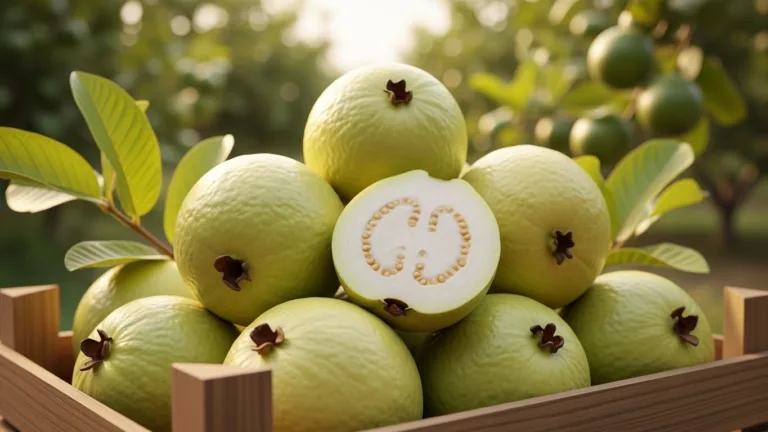
Here’s something cool about Pakistani guavas: there isn’t just one type! Pakistan grows several different varieties, each with its own special characteristics. The most common one you’ll see is the white-fleshed guava (called safeda), which has pale yellow-white flesh inside. These are usually very sweet and aromatic, and they’re the ones most people think of when they imagine a guava.
Then there are red-fleshed guavas (surkha), which have beautiful pink or red flesh inside. These tend to be slightly more tangy and are packed with even more vitamin C than their white cousins. They’re also super pretty when you cut them open, making them great for fruit platters or taking photos for social media!
Some farms grow specialty varieties like the Gola guava, which is rounder and has exceptionally sweet flesh. There’s also the Allahabad Safeda, which originally came from India but is now grown successfully in Pakistan. Each variety has its fans, and part of the fun during guava season is trying different types to see which one you like best!
Why Winter Makes Guavas Taste Better
You might be wondering, what exactly happens during winter that makes guavas so much better? It’s actually a fascinating combination of factors that all work together. First, the cooler temperatures slow down the ripening process. When fruit ripens slowly, it has more time to develop complex sugars and aromatic compounds. Think of it like this: would you rather read a really good book in one rushed sitting, or savor it over several days? The slow approach gives you a richer experience.
Second, winter’s lower humidity means fewer pest problems and diseases. During hot, humid summers, guava trees have to deal with fruit flies, fungal infections, and all sorts of problems. Winter’s drier, cooler weather creates a much healthier environment for the fruit to develop without these issues. This means farmers can use fewer pesticides, and the fruit stays cleaner and healthier naturally.
Third, the day-night temperature difference during winter is really important. Cool nights followed by sunny, mild days create stress on the fruit (but it’s good stress!). This stress causes the guava to produce more sugars as a protective mechanism, which means sweeter, more flavorful fruit for us. Nature is pretty clever, right?
Spotting the Perfect Guava: A Buyer’s Guide
Now that you know when guava season is, let’s talk about how to pick the absolute best guavas when you’re shopping. During peak season (like right now in January), markets are full of guavas, but not all of them are created equal! Here’s how to become a guava-picking pro.
First, look at the color. A ripe guava should have changed from bright green to a lighter, yellowish-green color. Some varieties will have a slight pinkish blush on one side where the sun hit them. If a guava is still dark green during season, it’s probably not quite ripe yet. If it’s gone completely yellow or has brown spots, it might be overripe.
Next, give it a gentle squeeze. A perfectly ripe guava should yield slightly to gentle pressure, kind of like a ripe avocado but a bit firmer. If it’s rock hard, it needs more time. If it’s super soft and squishy, you’ve missed the perfect window (though it might still be okay for making juice or smoothies).
Don’t forget to use your nose! A ripe guava has an amazing, sweet, slightly musky aroma that’s unmistakable. If you can smell that characteristic guava fragrance from a few inches away, you’ve probably found a winner. No smell usually means the fruit isn’t quite ripe yet.
Making the Most of Guava Season
Once you’ve got your hands on some perfect seasonal guavas, what’s the best way to enjoy them? The simplest method is also the best: just wash them, cut them into slices (or bite right in if you’re feeling adventurous), and eat them fresh! During peak season, the flavor is so good that you really don’t need to do anything fancy.
But if you want to get creative, there are tons of delicious options. Pakistani guavas make incredible fresh juice. Just blend the fruit with a little water and sugar (if needed), strain out the seeds, and you’ve got a drink that’s way better than anything from a store. Some people add a pinch of black salt and chaat masala to make it even more interesting!
Guava chaat is another popular way to enjoy seasonal guavas. Cut them into chunks, sprinkle with chaat masala, lemon juice, and a tiny bit of salt, and you’ve got a snack that’s sweet, tangy, spicy, and absolutely addictive. It’s perfect for afternoon snacking or serving to friends.
You can also preserve the season’s bounty by making guava jam or jelly. Since guavas are naturally high in pectin (the stuff that makes jam set), they’re perfect for this. Making jam during peak season means you can enjoy that amazing guava flavor even months later when fresh guavas aren’t available.
The Health Benefits: More Than Just Delicious
Here’s a bonus fact that makes seasonal guavas even more awesome: they’re incredibly nutritious! Guavas have more vitamin C than oranges, which is pretty impressive. One medium guava can give you about four times your daily vitamin C needs! This is especially great during winter months when people are more prone to colds and flu.
They’re also packed with fiber, which is good for digestion. The seeds (which are totally edible, by the way) add even more fiber. Guavas contain antioxidants that help protect your cells from damage, and they’re relatively low in calories despite being so sweet and satisfying.
For people who need to watch their blood sugar, guavas have a relatively low glycemic index compared to many other fruits. This means they won’t cause dramatic spikes in blood sugar levels. Pretty cool that something so tasty is also so good for you!
Supporting Local Farmers During Guava Season
When you buy Pakistani guavas during their peak season, especially from sources like MultanFarms.com that work directly with farmers, you’re doing something really important. You’re supporting local agriculture and helping farming families earn a good living. Guava farming provides employment for thousands of people in Pakistan, from the farmers who grow the trees to the workers who harvest and pack the fruit.
Buying seasonal, local guavas is also better for the environment. These fruits don’t need to be shipped from other countries, which means less fuel burned and fewer carbon emissions. They’re picked when ripe rather than being harvested early for long-distance transport, which means better flavor and nutrition for you.
Don’t Miss Out: Guava Season Waits for No One
Here’s the thing about guava season, it’s generous but it’s not endless. Right now, in January 2026, you’re in the prime window for getting the absolute best guavas Pakistan has to offer. February will still be excellent, and you’ll find decent guavas into March. But by April, the season will be winding down, and you’ll have to wait until next November-December for peak guavas again.
That’s why guava lovers in Pakistan get so excited when the season arrives! It’s like a limited-time offer from nature, a few months every year when these incredible fruits are at their absolute peak. Missing guava season means missing out on some of the best flavors Pakistan’s agriculture has to offer.
So, are you ready to take advantage of guava season while it’s here? Whether you’re buying them fresh from a local market, ordering directly from farms, or picking them from your own tree if you’re lucky enough to have one, now is the time to enjoy guavas at their very best. Your taste buds will thank you for it!