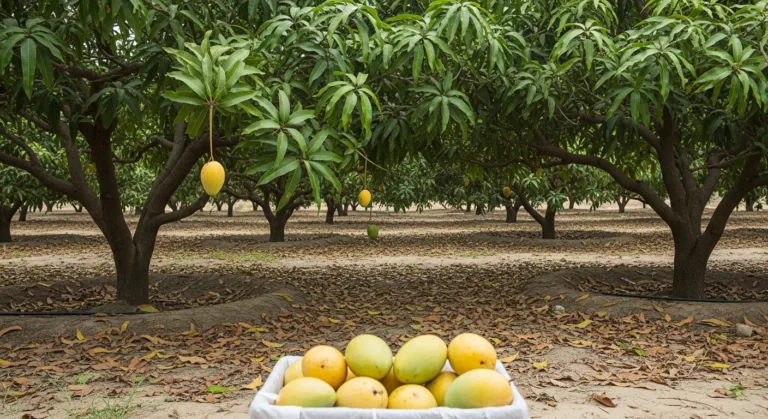
Imagine biting into the sweetest, juiciest fruit you’ve ever tasted. The golden juice drips down your chin, and the flavor explodes in your mouth like sunshine mixed with honey. That’s what eating a perfectly ripe Pakistani mango feels like! If you’ve never experienced this, you’re seriously missing out on one of nature’s most amazing treats. But here’s the thing, you can’t just walk into a store any time of year and expect to find these incredible mangoes at their best.
Pakistan is famous worldwide for growing some of the most delicious mangoes on the planet. We’re talking about varieties with names like Sindhri, Chaunsa, and Anwar Ratol that make fruit lovers’ mouths water just thinking about them. But these mangoes aren’t available all year round. They have a specific season when they ripen to perfection, and knowing when that happens can make all the difference between eating an okay mango and experiencing pure fruit heaven.
In this article, we’re going to dive deep into Pakistan’s mango season. You’ll learn exactly when these golden fruits are at their best, why the timing matters so much, and what makes Pakistani mangoes so special in the first place. Whether you live in Pakistan or halfway across the world, understanding mango season will help you enjoy this incredible fruit at its absolute peak. Plus, you’ll discover some fascinating facts about how farms like Multanfarms.com work hard to bring these amazing mangoes to your table!
What Exactly Is Mango Season in Pakistan?
Let’s start with the basics. Mango season in Pakistan is the time of year when mango trees produce ripe, ready-to-eat fruit. Unlike some fruits that grow year-round in certain places, mangoes are seasonal, which means they only ripen during specific months. In Pakistan, the main mango season typically runs from May through September, with different varieties ripening at different times within that window.
Think of it like this: if mango season were a school year, May would be like the first week of classes when everything’s just getting started. By June and July, you’re in full swing, that’s when the majority of mangoes hit the markets. August is like the final stretch before summer vacation, still productive but starting to wind down. And September? That’s the last few days of school when things are wrapping up.
The exact timing can shift a bit depending on weather conditions each year. If winter was particularly cold or summer arrived early, the season might start a week or two earlier or later than usual. It’s kind of like how the first day it’s warm enough to go swimming might be different each year. Nature doesn’t follow a strict calendar!
Here’s something cool: Pakistan grows over 250 different varieties of mangoes! But not all of them ripen at once. Some varieties, like the Sindhri, are early bloomers that ripen in May. Others, like the famous Chaunsa, peak in July and August. This staggered ripening means that mango season isn’t just one big event, it’s more like a series of delicious waves, each bringing different flavors and experiences.
Why Does Timing Matter So Much?
You might be wondering, “Why can’t we just grow mangoes all year?” Great question! The answer has to do with how mango trees work and what they need to produce amazing fruit. Understanding this will help you appreciate why eating mangoes during their proper season makes such a huge difference.
Mango trees need specific weather conditions to develop their fruit properly. They require a period of cooler, drier weather (winter in Pakistan) to rest and prepare for fruiting. Then they need warm temperatures and plenty of sunshine during spring and summer to help the mangoes grow and ripen. It’s like how you need a good night’s sleep to perform your best the next day, mango trees need their winter rest to produce great fruit!
When you eat a mango during its natural season, you’re getting fruit that ripened on the tree using sunshine and time. These mangoes develop their full sweetness, complex flavor, and perfect texture. Compare that to mangoes that are picked early and shipped from far away, they might look okay, but they often taste bland and have a weird texture because they didn’t get to ripen naturally.
The nutritional value is better too! Mangoes that ripen properly on the tree have higher levels of vitamins, antioxidants, and other beneficial compounds. It’s the difference between a homemade meal made with fresh ingredients versus a frozen dinner, both might fill you up, but one is definitely better for you.
Plus, seasonal mangoes from local sources like farms in Pakistan are fresher. They haven’t spent weeks sitting in refrigerated storage or traveling thousands of miles. This means they taste better AND last longer once you get them home. Nobody wants to buy a mango that goes bad the next day!
The Famous Pakistani Mango Varieties and Their Seasons
Let’s talk about the rock stars of Pakistan’s mango world! Each variety has its own personality, flavor profile, and perfect ripening time. Knowing about these different types will help you appreciate the incredible diversity of mango season.
Sindhri mangoes are usually the first to arrive, typically ripening in late May and June. These mangoes are grown mainly in the Sindh province (hence the name). They’re large, oval-shaped, and have a beautiful golden-yellow color when ripe. The flavor is sweet but balanced, not too overpowering. If Sindhri were a person, it would be the reliable friend who shows up early and gets the party started!
Chaunsa mangoes are probably the most famous Pakistani variety, and they deserve their reputation! These ripen in July and August, right in the heart of summer. Chaunsa mangoes are medium-sized with thin skin and incredibly sweet, aromatic flesh. They’re so juicy that eating one can get messy fast, but nobody cares because they taste absolutely amazing. Many people consider Chaunsa the king of Pakistani mangoes. If you only try one variety, make it this one!
Anwar Ratol is a smaller variety that ripens around the same time as Chaunsa. Don’t let the size fool you, these little mangoes pack an incredible punch of flavor! They’re super sweet and have a unique taste that’s hard to describe. Think of them as the concentrated version of mango flavor. They’re perfect if you want something sweet but don’t want to commit to eating a huge mango.
Langra mangoes ripen later in the season, usually in August and early September. They stay greenish even when ripe, which can confuse people who expect all ripe mangoes to be yellow or orange. But don’t judge this book by its cover! Langra mangoes have a unique, slightly tangy flavor that some people actually prefer to the super-sweet varieties.
There are many other varieties too, like Dusehri, Fajri, and Saroli, each with their own fans and specific ripening times. This diversity is what makes Pakistan’s mango season so exciting, there’s always something new to try!
How Do Farms Like Multanfarms.com Prepare for Mango Season?
You might think mangoes just magically appear in markets during summer, but there’s actually a ton of work that goes into bringing them to you! Let’s peek behind the curtain and see what mango farmers do throughout the year to prepare for the big season.
The work actually starts way before the mangoes appear. During winter, farmers prune their trees, which means cutting off dead or unnecessary branches. This might seem harsh, but it’s like giving the tree a haircut, it helps it focus its energy on growing better fruit. They also prepare the soil, adding nutrients that the trees will need when they start producing mangoes.
In early spring, the mango trees flower. These flowers eventually turn into baby mangoes, but not all of them will make it to harvest. Farmers carefully manage their trees, sometimes removing some of the tiny mangoes so the remaining ones get more nutrients and grow bigger and sweeter. It’s quality over quantity!
As the mangoes start to grow, farmers have to protect them from pests, diseases, and extreme weather. Imagine trying to protect thousands of pieces of fruit hanging on trees, it’s a huge job! Good farms like Multanfarms.com use responsible farming practices to keep their mangoes healthy without relying too heavily on chemicals.
When harvest time finally arrives, the real rush begins! Mangoes need to be picked at just the right time, not too early or too late. Farmers check their orchards daily, looking for signs that the mangoes are ready. They often pick them by hand to avoid bruising the fruit. Then the mangoes are carefully sorted, packed, and shipped to markets or directly to customers. The whole process requires careful timing and lots of hard work!
What Climate and Geography Make Pakistan Perfect for Mangoes
Pakistan isn’t just randomly good at growing mangoes, there are specific reasons why this country produces some of the world’s best! Understanding the geography and climate will help you see why Pakistani mango season is so special.
Pakistan’s location gives it the perfect climate for mangoes. The country sits in a region with hot, sunny summers and mild winters. This combination is exactly what mango trees love! During the growing season, temperatures regularly hit 85-95°F (30-35°C), giving the mangoes the warmth they need to develop their sugars and flavors. It’s like natural candy-making!
The amount of sunshine matters too. Pakistan gets tons of bright, direct sunlight during summer, and mango trees use this sunlight to power the process that makes the fruit sweet. More sunshine generally means sweeter mangoes. It’s similar to how solar panels work better with more sun, mango trees do too!
Water availability is another crucial factor. Many of Pakistan’s best mango-growing regions are near rivers like the Indus. These areas have rich soil and access to irrigation water, which the trees need during the hot summer months. However, the timing of rain is important too. Mangoes actually prefer drier weather when they’re ripening. Too much rain at the wrong time can make the fruit watery or cause it to split.
Different regions of Pakistan specialize in different varieties based on their specific local conditions. Sindh province, particularly around Mirpur Khas, is famous for Sindhri. Punjab province, especially Multan and Rahim Yar Khan, is known for Chaunsa. This regional variation adds to the richness of Pakistan’s mango culture!
The combination of all these factors, perfect temperatures, abundant sunshine, good soil, and skilled farmers, creates the ideal conditions for growing world-class mangoes. It’s like how certain places are famous for specific things: Wisconsin for cheese, Vermont for maple syrup, and Pakistan for incredible mangoes!
How Mango Season Affects Pakistani Culture and Economy
Mango season in Pakistan isn’t just about fruit, it’s a cultural event that affects millions of people! Let’s explore how this season impacts daily life and the economy in ways you might not expect.
For many Pakistani families, the arrival of mango season is celebrated like a holiday. People look forward to it all year! Families buy mangoes by the crate, not just by the piece. It’s common to see people sharing mangoes with neighbors, bringing them as gifts when visiting friends, or using them in special recipes that are only made during mango season. Imagine if your favorite food was only available a few months a year, you’d probably make a big deal about it too!
The economy gets a major boost during mango season. Pakistan exports tons of mangoes to countries around the world, including the Middle East, Europe, and even the United States. These exports bring in millions of dollars and provide jobs for farmers, packers, truck drivers, and many others. Some estimates suggest that hundreds of thousands of people depend on the mango industry for their livelihood!
Markets transform during mango season. You’ll see vendors setting up special displays, piled high with different varieties. The air smells sweet, and there’s a buzz of excitement as people debate which variety is best this year. Farmers bring their harvest to market and compete to offer the best quality. It’s kind of like how stores transform during the holidays, except the main attraction is fruit!
Restaurants and food businesses also get creative during mango season. You’ll find mango lassi (a yogurt drink), mango kulfi (ice cream), mango chutney, and countless other dishes featuring the fruit. Some restaurants even create special mango menus that are only available during the season. This celebration of mangoes shows how deeply they’re woven into Pakistani food culture.
Tips for Enjoying Pakistani Mangoes at Their Best
Now that you know all about Pakistan’s mango season, let’s talk about the practical stuff, how to actually choose, store, and eat these amazing fruits to get the maximum enjoyment!
Choosing the perfect mango: When you’re picking mangoes, don’t just grab the prettiest one! Gently squeeze it, a ripe mango should give slightly under gentle pressure, kind of like a ripe avocado. Smell the stem end, a sweet, fruity aroma means it’s ready to eat. The color matters less than you think, remember that Langra stays green! Focus on feel and smell instead.
Storing your mangoes: If your mangoes aren’t quite ripe yet, leave them at room temperature out of direct sunlight. They’ll continue ripening for a few days. Once they’re perfectly ripe, you can put them in the refrigerator to slow down the ripening process and keep them fresh for a few more days. Never refrigerate unripe mangoes though, it stops the ripening process and they might never develop their full flavor!
The best way to eat them: There are tons of ways to enjoy mangoes! The simplest is just peeling and eating them fresh, maybe over a sink because they’re messy! You can cut them into cubes for a fancy presentation, or do what many people in Pakistan do: score the flesh while it’s still in the skin and turn it inside out to create a “mango hedgehog” that’s easy to eat.
Trying different varieties: If you have the chance, don’t stick to just one type! Try Chaunsa one week and Anwar Ratol the next. It’s like being a mango scientist, experimenting to find your favorite. You might be surprised which variety wins you over!
Supporting quality sources: When possible, buy from reputable farms like Multanfarms.com that care about growing quality fruit using good practices. These mangoes might cost a bit more, but the difference in taste and quality is totally worth it. Plus, you’re supporting farmers who are doing things right!
The Bottom Line: Why Mango Season Is Something Special
So we’ve covered a lot about Pakistan’s mango season, from the timing and varieties to the culture and economics behind it all. But why should you actually care about all this information? What’s the big takeaway?
Understanding mango season helps you appreciate one of nature’s most amazing fruits at exactly the right moment. When you know that Chaunsa mangoes are only at their peak for a few weeks in July and August, you realize that eating one during that time is something special, not something to take for granted. It’s about being present and enjoying seasonal gifts when they’re available, instead of expecting everything all the time.
There’s also something beautiful about eating food when it’s naturally ready. Our modern world has gotten used to having any food anytime we want it, strawberries in December, tomatoes in January, you name it. But there’s real value in waiting for the right season. Foods taste better, they’re more nutritious, and eating them feels more meaningful when you know they won’t last forever.
For farms like Multanfarms.com and millions of people who depend on mango season, this time of year represents hard work, tradition, and pride in producing something truly special. When you enjoy Pakistani mangoes during their proper season, you’re participating in something that connects you to farmers, culture, and the natural rhythms of the earth.
So next time May rolls around and you start seeing Pakistani mangoes in markets, don’t just walk past them! This is your chance to experience something genuinely amazing. Whether you live in Multan or Minnesota, you can track down these incredible fruits and taste what all the excitement is about. Who knows? You might just find yourself counting down the days until next mango season starts! What’s stopping you from making this summer the one where you finally try a perfectly ripe Chaunsa mango?