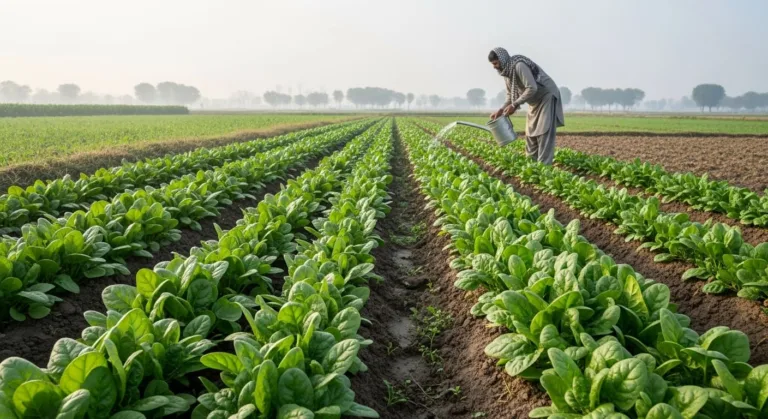
Have you ever noticed how some vegetables just taste better at certain times of the year? Like how watermelons are super sweet in summer, or how mangoes make Pakistani summers absolutely amazing? Well, spinach has its own special time to shine too! In Pakistan, spinach isn’t something that grows equally well all year round. There’s actually a perfect season when this leafy green vegetable thrives and fills markets with fresh, crispy bunches.
You might be thinking, “Why should I care about when spinach grows?” Great question! Understanding when vegetables are in season helps you eat fresher food, save money, and appreciate the hard work farmers put into growing what ends up on your plate. Plus, if you’ve ever tasted fresh, in-season spinach compared to the sad, wilted stuff that’s out of season, you’ll know there’s a huge difference. It’s like comparing a freshly baked cookie to one that’s been sitting in a jar for weeks!
In this article, we’re going to explore everything about spinach season in Pakistan. You’ll learn when farmers plant it, why certain months are perfect for growing this super-green vegetable, and how places like Multanfarms.com help connect people with fresh, seasonal produce. By the end, you’ll be a spinach season expert!
What Makes Spinach Such a Cool Vegetable?
Before we jump into seasons and planting times, let’s talk about why spinach deserves our attention. Remember Popeye the Sailor Man from those old cartoons? He’d squeeze open a can of spinach, gulp it down, and suddenly have superhuman strength. While real spinach won’t give you instant muscles (sorry to disappoint!), it is genuinely packed with good stuff.
Spinach is loaded with iron, which helps your blood carry oxygen throughout your body. It also has vitamins A, C, and K, plus minerals like calcium and magnesium. Think of spinach as nature’s multivitamin that you can actually eat in a delicious curry or mixed with other foods. In Pakistan, spinach (called palak in Urdu) is super popular and shows up in dishes like palak paneer, palak gosht, or just simple sautéed spinach with onions and spices.
The cool thing about spinach is that it’s a leafy green that grows relatively fast compared to other vegetables. From seed to harvest, it only takes about 6 to 8 weeks. That’s faster than a summer vacation!
When Does Spinach Season Actually Happen in Pakistan?
Here’s the answer you’ve been waiting for! In Pakistan, spinach season runs from October to March, with peak season being from November to February. These cooler months create perfect conditions for spinach to grow strong and tasty. But why these specific months? What makes winter so special for this leafy vegetable?
Spinach is what farmers call a “cool-season crop,” which means it absolutely loves cooler weather. Imagine trying to run a marathon in scorching 40-degree heat versus running on a pleasant, cool morning. You’d definitely perform better in the cooler temperature, right? Spinach feels the same way! When temperatures are moderate (around 15 to 20 degrees Celsius), spinach plants grow their best leaves.
During hot summer months, spinach plants get stressed out. They start to “bolt,” which means they quickly produce flowers and seeds instead of growing more leaves. Once spinach bolts, the leaves become bitter and tough, kind of like how a banana gets mushy and brown when it’s overripe. Nobody wants bitter spinach in their dinner!
In different regions of Pakistan, the exact timing might vary slightly. In northern areas like Islamabad or parts of Khyber Pakhtunkhwa where it’s cooler, spinach season might start a bit earlier. In southern regions like Karachi where it stays warmer longer, the season might begin later in October or November.
How Do Farmers in Pakistan Grow Spinach?
Let’s take a behind-the-scenes look at how spinach actually gets from seed to your dinner plate! Pakistani farmers who know their stuff, like those connected with agricultural platforms such as Multanfarms.com, follow specific steps to grow healthy spinach crops.
Preparing the Soil: First, farmers prepare the soil by mixing in organic matter like compost or well-rotted manure. Think of this like adding ingredients to a recipe, you need the right mix for the best results. Spinach loves soil that’s rich and drains water well. Nobody likes soggy feet, and neither does spinach!
Planting the Seeds: Around September or October, farmers plant spinach seeds directly into the prepared soil. They make shallow rows and sprinkle seeds along them, then cover them with a thin layer of soil. Within a week or two, tiny green sprouts start popping up like magic. It’s actually pretty amazing to watch if you ever get the chance!
Taking Care of Growing Plants: Once the spinach starts growing, farmers need to water it regularly but not too much. Spinach plants also need space to grow, so farmers thin out the seedlings, which means removing some plants so others have room to spread their leaves. It’s like making sure everyone in a crowded classroom has enough desk space to work comfortably.
Harvesting Time: After about 6 to 8 weeks, the spinach is ready to harvest! Farmers can either pick individual leaves or cut the entire plant. Some varieties of spinach will even grow back after cutting, giving farmers multiple harvests from one planting. How cool is that?
Why Does Season Matter When Buying Spinach?
You might wonder, “Can’t I just buy spinach whenever I want it?” Technically, yes, you probably can find spinach in stores year-round. But here’s the thing, buying spinach during its natural season makes a huge difference in taste, price, and quality.
Better Taste and Nutrition: In-season spinach is fresher, crispier, and has a sweeter taste. Out-of-season spinach might be grown in artificial conditions or imported from far away, which means it loses freshness and flavor. It’s like the difference between eating a ripe mango in summer versus trying to find one in winter, the winter one just won’t taste as good.
Lower Prices: When spinach is in season, there’s lots of it available. Basic economics tells us that when supply is high, prices go down. During peak spinach season in Pakistan (November to February), you’ll find the best deals on fresh bunches at your local vegetable market. Your family can save money while eating healthier!
Supporting Local Farmers: When you buy seasonal produce, you’re often buying from local farmers who are harvesting at the right time. This supports your community and reduces the environmental impact of transporting food from far away. Websites like Multanfarms.com help connect people with local agricultural information, making it easier to know what’s in season and where to find it.
What Happens to Spinach Outside Its Season?
So what’s the deal with spinach when it’s not the cool season? Does it just disappear completely? Not exactly, but growing spinach outside its natural season comes with challenges.
During hot months from April to September, some farmers try to grow spinach in shaded areas or use special techniques to keep plants cooler. However, this requires more work, more water, and more resources. The spinach that does grow often doesn’t taste as good and costs more because it’s harder to produce. Think of it like trying to build a snowman in summer, technically possible if you have a freezer, but it takes way more effort than just waiting for winter!
Some commercial farms use greenhouses with climate control to grow spinach year-round, but this is expensive and not common in Pakistan. That’s why you’ll notice spinach becomes scarcer and pricier as summer approaches. Smart shoppers know to enjoy spinach dishes during winter when it’s at its best and switch to other seasonal vegetables (like okra or bottle gourd) during summer.
This natural rhythm of seasons teaches us something important about eating in harmony with nature. Our ancestors didn’t have year-round access to every food, and they were healthier for it in many ways. They ate what was fresh and available, which meant maximum nutrition and flavor.
How Can You Make the Most of Spinach Season?
Now that you know when spinach season happens in Pakistan, here are some fun ways to enjoy it during those perfect months from October to March!
Try talking to your family about buying extra spinach during peak season and learning to preserve it. You can blanch spinach (quickly boil it) and freeze it for later use. Some families even dry spinach leaves to use in dishes throughout the year. It’s like saving sunshine from summer to brighten up winter days, except you’re saving winter spinach for summer meals!
Visit local farmers’ markets during spinach season and check out the different varieties. You might find regular smooth-leaf spinach or the crinkly Savoy spinach. Each type has its own texture and taste. Making these discoveries is part of the fun of eating seasonally!
If your school or home has space, you could even try growing some spinach yourself during the cool months. It’s a beginner-friendly vegetable that doesn’t need much space. You could grow it in pots on a sunny balcony or in a small garden patch. There’s something really satisfying about eating vegetables you grew yourself!
Wrapping It All Up
We’ve covered a lot of ground about spinach season in Pakistan! We learned that October to March is prime time for this nutritious leafy green, with November to February being the absolute best months. We discovered why cool weather makes spinach happy and why hot weather makes it stressed and bitter. We explored how farmers grow spinach and why buying it in season benefits your taste buds, your wallet, and local farming communities.
Understanding seasonal vegetables like spinach connects you to the natural world and the agricultural cycle that feeds us all. It’s not just about eating, it’s about appreciating where food comes from and the perfect timing that nature provides. Resources like Multanfarms.com help bridge the gap between farms and families, making it easier to access fresh, seasonal produce and learn about Pakistani agriculture.
So here’s a challenge for you: Next time you’re at the market between October and March, pick up some fresh spinach and try a new recipe with your family. Can you taste the difference that in-season freshness makes? What’s your favorite way to eat spinach? Keep exploring seasonal foods, and you’ll discover a whole new way of enjoying what’s on your plate!