Have you ever tossed a handful of fresh green leaves onto a hot bowl of biryani or chutney and noticed how the whole kitchen suddenly smells amazing? That magic comes from coriander, also called dhania in Urdu. It’s one of the most loved herbs in Pakistan, and you can grow it yourself.
But here’s the catch. Coriander is a bit of a diva. Plant it at the wrong time, and it sulks, struggles, or shoots up too fast and stops making tasty leaves. Plant it at the right time, and you’ll be harvesting fresh, fragrant bunches in just a few weeks.
So let’s talk about the coriander planting season. You’ll learn when to plant, why timing matters so much, and how to give your seeds the best start.
Why Does Timing Matter So Much?
Think about wearing a heavy winter jacket on a scorching June afternoon. You’d be miserable, right? Plants feel the same way about the wrong weather.
Coriander is a cool-season crop, which means it grows best when the days are mild and the nights are chilly. It loves temperatures between about 17°C and 27°C. When things get too hot, the plant panics and does something called bolting.
Bolting means the plant quickly grows a tall flower stalk and makes seeds instead of leaves. It’s the plant’s way of saying, “It’s getting too hot, I’d better make babies before it’s too late!” The leaves turn thin and bitter, which isn’t what you want in your chutney.
The Best Time to Plant Coriander in Pakistan
In most parts of Pakistan, including Punjab, the main coriander planting season runs from mid-October to November. The weather cools down, the air feels fresh, and the soil is just right for tiny seeds to wake up.
Here’s an easy way to remember it:
- October to November: The star season. This is when most farmers sow coriander, and it gives the best harvest.
- February to March: A second chance. You can sow again in early spring, but you need to hurry, because summer heat is on its way.
- Hot summer months: Not recommended. Coriander will bolt fast, so it’s better to wait for cooler days.
Some growers also start as early as September in cooler areas. If you’re unsure, watch the thermometer. When daytime temperatures settle comfortably below 30°C, it’s go time.
Getting the Soil Ready
Before any seed goes in the ground, the soil needs some love. Imagine making your bed before you sleep. Nobody wants to rest on a lumpy, rocky mattress, and neither do seeds.
Coriander likes loamy soil, which is soft, crumbly soil that holds some water but also lets extra water drain away. Soggy, heavy clay can make the roots rot. Here’s how to prep your patch:
- Loosen the soil by digging or ploughing about 6 to 8 inches deep.
- Remove stones and weeds so the little roots can spread easily.
- Mix in compost or well-rotted manure. This is like serving the soil a nutritious meal.
- Smooth the surface so the seeds can be spread evenly.
Pick a spot that gets plenty of sunshine, ideally 4 to 6 hours a day. In the warmer weeks of the season, a little afternoon shade can be a nice bonus.
How to Sow the Seeds Like a Pro
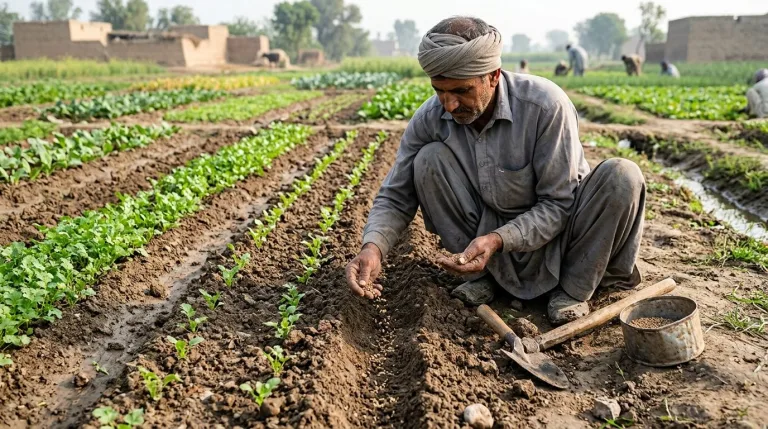
Here’s a fun fact. A coriander “seed” is actually a tiny round fruit with two seeds hiding inside. If you gently crush it, you’ll split it into two halves, and each half can sprout. It’s like opening a peanut shell and finding two nuts inside.
Many farmers lightly rub the seeds between their palms or roll a bottle over them before planting. Then they soak the seeds in water overnight. This softens the hard outer coat so the seeds wake up faster, kind of like giving them a gentle alarm clock.
Now, let’s plant:
- Depth: Sow the seeds about 1 to 2 centimeters deep. Don’t bury them too far, or they’ll struggle to reach the surface.
- Spacing: Make rows about 20 to 30 centimeters apart. This gives each plant room to breathe, just like you’d want elbow space at a crowded lunch table.
- Watering: Sprinkle water lightly right after sowing, and keep the soil damp, not drowned.
What Happens After Planting?
Be patient, because coriander doesn’t sprout overnight. You’ll usually see tiny green shoots in 7 to 14 days. If it feels slow, don’t worry. The seeds are just getting comfortable.
Once the seedlings pop up, keep the soil lightly moist and pull out any weeds that sneak in. Weeds are like uninvited guests at a party. They eat all the snacks, which in this case means water and nutrients.
You can start picking leaves in about 30 to 45 days, when the plants are around 6 inches tall. Snip the outer leaves first and let the center keep growing. If you want coriander seeds for cooking, which are the golden brown ones used in many masalas, you’ll need to wait around 90 to 110 days.
Easy Mistakes to Avoid
Even the best gardeners slip up now and then. Watch out for these common ones:
- Planting too late in spring. The heat arrives quickly and the plants bolt.
- Overwatering. Wet feet are no fun for roots. Always check that the soil drains well.
- Sowing too thickly. Crowded plants fight for food and end up weak.
- Skipping sunlight. Plants that sit in deep shade grow tall and spindly.
Here’s a trick for a steady supply of fresh leaves. Sow a small batch every two to three weeks during the season. That way, you’ll always have a new patch ready when the old one is finished, like a never-ending buffet of green.
Why It Matters
So, what have we learned? The best coriander planting season in Pakistan is the cool stretch from October to November, with early spring as a backup. Coriander loves mild weather, loose and healthy soil, gentle watering, and a bit of patience. Get the timing right, and your plants will reward you with leaves that make every meal taste better.
Growing your own food is one of the coolest things you can do. You get to watch a tiny seed turn into something you can eat, and you’ll understand exactly where your food comes from. Now it’s your turn. If you could grow one herb or vegetable in your very own garden this season, what would it be?
Looking for fresh, farm-grown goodness straight from South Punjab? Explore more at Multanfarms.com.