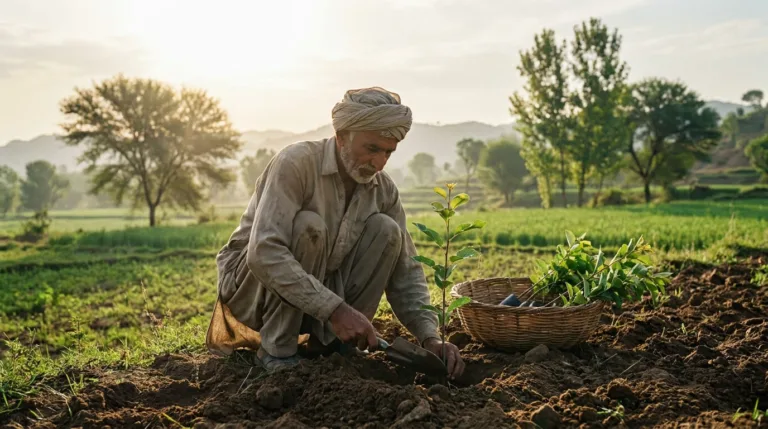
Have you ever planted a tree and watched it grow? There’s something pretty amazing about putting a tiny sapling in the ground and knowing that one day it could tower over your house! But here’s the thing, timing matters a lot. If you plant a tree at the wrong time in Pakistan, it might struggle to survive or grow really slowly. So when exactly should you plant trees in Pakistan to give them the best chance at life?
Pakistan has a unique climate that changes quite a bit throughout the year, and understanding these changes is the key to successful tree planting. Whether you’re in the hot plains of Punjab, the cooler valleys of northern areas, or anywhere in between, knowing the right planting season can make the difference between a thriving tree and one that barely survives. Let’s dig into everything you need to know about tree plantation season in Pakistan!
Why Does Planting Season Even Matter?
You might be wondering, can’t we just plant trees whenever we want? Well, not exactly. Think of it like this: imagine you’re trying to run a marathon, but someone makes you do it in the middle of summer when it’s super hot outside. You’d probably struggle, right? Trees are kind of the same way. They need the right conditions to establish their roots and start growing strong.
In Pakistan, the weather can be extreme. Summers get scorching hot (we’re talking 40°C or more in many places!), and winters can be quite cold, especially in northern regions. Young trees are like babies, they need gentle conditions to get started. Plant them during intense heat or freezing cold, and they’ll spend all their energy just trying to survive instead of growing healthy and strong.
The Perfect Window: Monsoon Season (July to September)
Here’s some great news: the monsoon season, which runs from July to September, is actually one of the best times to plant trees in Pakistan! During these months, the country receives most of its annual rainfall, and the weather is generally more moderate. It’s like nature has created a perfect nursery environment for young trees.
When you plant during the monsoon, the soil is naturally moist, which means less watering work for you. Plus, the regular rainfall helps trees establish their root systems without the stress of drought. The temperatures are also more bearable, usually ranging from 25°C to 35°C, which is much better than the 45°C+ heat of May and June! Trees planted during this time have several months to grow strong roots before winter arrives.
Winter Planting: The Secret Weapon (December to February)
Now, here’s something that might surprise you. Winter is actually another excellent time to plant trees in Pakistan, especially in the plains and southern regions. I know what you’re thinking, isn’t winter too cold? Not in most parts of Pakistan! The winter months from December to February are relatively mild in many areas, with temperatures ranging from 5°C to 20°C.
During winter, trees enter a dormant phase, kind of like how bears hibernate. They’re not actively growing leaves and branches, so they can focus all their energy on developing strong root systems underground. Think of it as building a strong foundation for a house before you start putting up the walls. When spring arrives, these trees are ready to shoot up with new growth because they’ve spent the winter getting their roots established.
Spring Planting: A Window of Opportunity (February to March)
Early spring, particularly February and March, offers another good window for tree plantation in Pakistan. The weather starts warming up, but it’s not yet scorching hot. This gives trees a chance to establish themselves before the brutal summer heat kicks in.
However, you need to be a bit more careful during spring planting. You’re basically racing against time, trying to get your trees established before temperatures soar in April and May. It’s like trying to finish your homework before your favorite TV show starts! If you choose to plant in spring, make sure you’re committed to regular watering, because young trees will need extra help as the weather gets warmer.
What About Summer? Should You Even Try?
Let’s be honest, planting trees during Pakistan’s summer months (April to June) is tough. Really tough. The temperatures can climb above 45°C in many parts of the country, and the sun is absolutely relentless. For a young tree with a developing root system, this is like trying to survive in a desert without enough water.
That said, if you absolutely must plant during summer, it’s not impossible, just much more challenging. You’ll need to water your trees multiple times a day, provide shade during the hottest hours, and basically baby them constantly. It’s a lot of work, and honestly, you’re better off waiting for a more suitable season. Even experienced farmers and gardeners on platforms like MultanFarms.com will tell you to avoid summer planting if you can.
Regional Differences: One Size Doesn’t Fit All
Here’s something important to remember: Pakistan is a big country with different climate zones, so the best planting time can vary depending on where you live. In northern areas like Gilgit-Baltistan or parts of Khyber Pakhtunkhwa, the growing season is shorter and winter is much harsher. In these regions, late spring (April to May) might actually be your best bet.
Meanwhile, in southern regions like Sindh, where winters are mild and summers are brutal, winter planting (November to February) works wonderfully. In Punjab and central Pakistan, you have more flexibility, with both monsoon and winter offering good opportunities. It’s like how you’d wear different clothes depending on which city you’re visiting!
Tips for Successful Tree Planting in Any Season
No matter when you decide to plant, there are some golden rules that’ll help your trees thrive. First, always dig a hole that’s twice as wide as the root ball of your sapling. This gives the roots room to spread out and get comfortable. Second, add some compost or organic matter to the soil, think of it as giving your tree a nutritious meal to start its life!
Water your newly planted tree deeply but not too frequently. You want to encourage the roots to grow down into the soil searching for water, not stay shallow near the surface. And here’s a pro tip: mulch around the base of your tree with wood chips or dried leaves. This helps retain moisture, keeps the soil temperature stable, and prevents weeds from competing with your tree.
The Bottom Line: Timing is Everything
So, when should you plant trees in Pakistan? The simple answer is: aim for the monsoon season (July to September) or winter (December to February) for the best results. These seasons give your trees the gentle conditions they need to establish strong root systems without the stress of extreme temperatures.
Remember, planting a tree is like making a long-term investment in our planet’s future. Every tree you plant helps fight climate change, provides oxygen, creates homes for birds and animals, and makes Pakistan greener and more beautiful. Whether you’re planting in your backyard, school, or community, you’re doing something awesome for the environment!
Ready to grab a shovel and plant your first tree? What kind of tree would you choose, and where would you plant it?