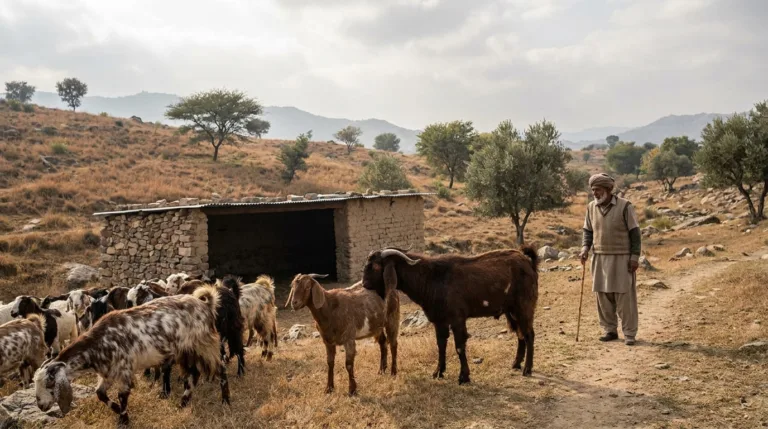
Have you ever noticed that baby goats (called kids, how cute is that?) seem to pop up around the same time every year? That’s not a coincidence! Goat farmers in Pakistan plan very carefully when their goats will have babies, and there’s actually a science behind it. Just like how schools have specific times for exams or how your favorite fruits are only available in certain seasons, goats also have a special breeding season that farmers need to know about.
Pakistan is home to millions of goats, and they’re super important to our country’s agriculture. Whether it’s for meat during Eid-ul-Adha, milk for your morning chai, or even leather products, goats play a huge role in Pakistani life. But here’s the thing, if farmers don’t breed their goats at the right time, they might end up with weak babies, unhealthy mothers, or miss out on the best market prices. Understanding the goat breeding season is like having a secret map to successful goat farming!
So when exactly should goats be bred in Pakistan, and why does timing matter so much? Let’s dive into the fascinating world of goat breeding and discover what makes certain months perfect for bringing new baby goats into the world!
Understanding the Goat Calendar: How Nature Works
First things first, let’s talk about how goats naturally work. Unlike humans who can have babies any time of the year, goats are seasonal breeders. This means their bodies are programmed to reproduce during specific times that give their babies the best chance of survival. Pretty smart, right?
In Pakistan, goats typically come into breeding condition (when they’re ready to have babies) during the autumn and winter months. This usually happens from September through February, with the peak season being October to December. It’s like their internal clock starts ringing during these cooler months, telling them “Hey, this is a good time to start a family!”
But why these specific months? Think about it like this: if a goat gets pregnant in October, she’ll have her babies around March (since goat pregnancy lasts about 5 months, or 150 days to be exact). March brings pleasant spring weather, fresh grass starts growing, and there’s plenty of food available for the mother goat to produce good milk for her babies. Nature has it all figured out!
The Science Behind the Season: Why Fall and Winter Rule
You might be wondering, what triggers this whole breeding season thing? The answer is actually pretty cool, it’s all about daylight! As the days get shorter in autumn, goats’ brains release special hormones that make them ready to breed. It’s like their body is reading a calendar based on sunshine hours.
This system is called photoperiod response, which basically means “reacting to the length of day and night.” When daylight hours decrease after summer, female goats (called does) start their reproductive cycles, and male goats (called bucks) become more active and interested in breeding. You might notice bucks acting a bit weird during this time, they become more vocal, mark their territory more, and generally show off trying to impress the does!
The cooler temperatures of autumn and winter also play a role. Goats handle pregnancy much better in moderate weather than during scorching summer heat. Imagine being pregnant during a Pakistani summer when it’s 45°C outside, not fun at all! By breeding in fall and winter, the pregnant goats don’t have to deal with extreme heat stress, which keeps both mom and babies healthier.
Regional Differences: Not All of Pakistan Is the Same
Here’s something important that farmers on platforms like MultanFarms.com understand well: Pakistan is a huge country with different climate zones, so the breeding season can vary a bit depending on where you are. In the northern mountainous areas like Gilgit-Baltistan, where winters are harsh and long, farmers might delay breeding slightly to avoid babies being born in freezing conditions.
In the plains of Punjab and Sindh, where winters are milder, the traditional October-to-December breeding window works perfectly. Farmers in these areas often aim for December breeding so that kids arrive in May, just before the summer heat really kicks in but after the kids have had time to grow strong. It’s all about timing it right for your specific location!
In Balochistan’s desert regions, where water and grazing can be scarce, farmers pay extra attention to when the rains come. They might time breeding so that kids arrive when there’s good vegetation available for the mother goats to eat. It’s like planning a picnic, you want to make sure there’s actually food available when you get there!
Strategic Breeding: Planning for Eid and Market Demands
Now let’s talk business! Many goat farmers in Pakistan don’t just breed their goats randomly, they plan strategically to meet market demands. The biggest demand for goats comes during Eid-ul-Adha, when millions of families buy goats for sacrifice. Smart farmers work backward from this date to determine the best breeding time.
For example, if a farmer wants to sell big, healthy goats during Eid, they need to calculate when those goats should be born. Let’s say Eid is in July (it changes each year based on the lunar calendar). A goat that’s about 12-15 months old is perfect for Eid sacrifice. So the farmer would need that goat to be born around April-May of the previous year. Working backward another 5 months for pregnancy, the breeding would need to happen in November-December!
This kind of planning is super common among successful farmers. They’re basically doing math to make sure they have the right product at the right time. It’s similar to how toy companies make sure new toys are ready before the holidays, timing is everything! Farmers who get this right can earn significantly more money because they’re meeting the market when demand (and prices) are highest.
Signs That It’s Breeding Time: What Farmers Look For
So how do farmers actually know when their goats are ready to breed? There are several telltale signs that experienced farmers watch for. Female goats show specific behaviors when they’re in heat (the time when they can get pregnant). They might bleat more loudly than usual, wag their tails a lot, act restless, and show interest in the male goats.
Physical signs are important too. The area under a doe’s tail might become slightly swollen and redder than usual. She might also have less appetite and seem more nervous or jumpy. These signs usually last for about 24-48 hours, which is the window for successful breeding. It’s like a very short “open for business” period!
Male goats, on the other hand, become very obvious when breeding season arrives. They develop a strong smell (honestly, it’s pretty gross!), they make loud bleating sounds, and they show a lot of interest in the female goats. Farmers need to watch carefully because if they miss the signs, they might have to wait another 18-21 days for the next cycle. In farming, missing these windows can mean losing months of potential income!
Tips for Successful Breeding: What the Pros Know
Professional goat farmers, including those you might learn about on MultanFarms.com, follow several best practices to ensure successful breeding. First, they make sure their goats are in good health and proper body condition before breeding season. A goat that’s too thin or too fat might have trouble getting pregnant or carrying healthy babies. It’s like making sure you’re well-rested before a big sports match!
Nutrition is super important during this time. Farmers often give their goats extra food starting a few weeks before breeding season. This is called flushing, and it helps improve fertility. Think of it as eating a good breakfast before a test, it helps your body perform better! The goats get extra energy, which tells their bodies “Hey, we have enough resources to support babies.”
Another pro tip is to keep breeding records. Smart farmers write down which goat was bred on which date, so they know exactly when to expect babies. This way, they can prepare proper shelter, arrange for veterinary help if needed, and make sure they’re around when the babies arrive. Missing a birth can be dangerous for the kids, especially if it’s cold outside or if there are complications.
Off-Season Breeding: Is It Possible?
You might be asking, what if a farmer needs goats at a different time? Can they breed goats outside the natural season? The answer is yes, but it’s trickier! Some farmers use special techniques to trick the goats’ bodies into thinking it’s breeding season even when it’s not.
One method involves controlling the light exposure that goats get. By keeping goats in buildings where farmers can control when lights are on or off, they can manipulate the photoperiod we talked about earlier. It’s like changing the clock to confuse your body, but for goats! Another method uses hormones given by veterinarians to trigger breeding behavior outside the normal season.
However, these methods require more expertise, cost more money, and don’t always work as well as natural breeding. Most small and medium farmers in Pakistan stick to the natural breeding season because it’s simpler, cheaper, and usually produces healthier babies. Nature has had millions of years to perfect this system, so why fight it?
Why This Matters to You
Even if you’re not planning to become a goat farmer, understanding breeding seasons helps you appreciate where your food comes from and how much planning goes into agriculture. The goat meat in your biryani, the milk in your tea, the leather in your shoes, all of these products depend on farmers who understand and work with nature’s rhythms.
Next time you see baby goats bouncing around in spring, you’ll know that a farmer somewhere planned for those kids to be born at exactly that time, probably starting way back in autumn or winter. It’s a reminder that farming isn’t just about feeding animals and hoping for the best, it’s a complex science that requires knowledge, planning, and perfect timing!
So, have you ever seen goats on farms around your area? Do you notice more baby goats during certain times of the year? Now you know the secret behind the timing!