Have you ever stood in the produce section, staring at a pile of grapefruits, wondering if they’re actually any good right now? Or maybe you’ve bitten into one that was so sour it made your whole face scrunch up! The truth is, grapefruits don’t taste the same all year round. Just like your favorite sports have seasons, grapefruits have their own special time when they’re at their absolute best. That’s what we call grapefruit season, and knowing when it happens can make all the difference between a mouth-puckering disaster and the sweetest, juiciest citrus experience of your life.
You might be surprised to learn that the grapefruit you eat for breakfast doesn’t just magically appear in stores year-round at peak deliciousness. These tangy fruits have a specific growing cycle, and farmers like those at Multanfarms.com work hard to harvest them at just the right moment. Understanding grapefruit season isn’t just interesting, it’s actually pretty useful knowledge that’ll help you pick better fruit and maybe even impress your family at the grocery store!
What Exactly Is Grapefruit Season?
Think of grapefruit season like the premiere of your favorite TV show. Sure, you might find reruns or old episodes any time of year, but there’s a specific time when the new, best stuff comes out. For grapefruits, the season is the period when the fruit is perfectly ripe, super flavorful, and ready to be picked from the trees.
In most places where grapefruits grow, the main season runs from late fall through early spring. That means roughly from November all the way to June, with the peak months being January through April. During this time, grapefruits develop their signature sweet-tart flavor, and they’re loaded with juice. Outside of this window, you might still find grapefruits in stores, but they’re usually not as fresh or tasty because they’ve been stored for a while or shipped from far away.
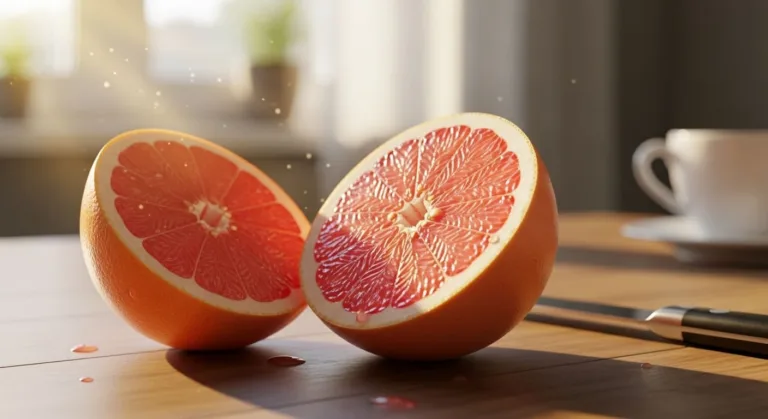
Different varieties of grapefruit also have slightly different seasons. The Ruby Red variety, which is super popular because of its beautiful pink color and sweeter taste, typically peaks between December and April. White grapefruits, which are a bit more tart, often come into season a little earlier in the fall.
Why Does Season Matter So Much?
You might be thinking, “Okay, but why can’t grapefruits just be good all the time?” Great question! It all comes down to how plants work. Grapefruit trees need specific weather conditions to produce the best fruit. They love warm days and cooler nights, which is exactly what happens in citrus-growing regions during winter and early spring.
When a grapefruit ripens during its natural season, something amazing happens inside the fruit. The tree has had the perfect amount of time to pump sugars into the grapefruit, creating that ideal balance between sweet and tangy. It’s kind of like baking cookies. If you take them out of the oven too early, they’re gooey and undercooked. Too late, and they’re burnt. But at just the right moment? They’re perfect. The same goes for grapefruits hanging on trees.
Seasonal grapefruits are also way more nutritious. During peak season, these fruits are absolutely packed with vitamin C, which helps keep you healthy and fights off colds. They also contain antioxidants that are good for your skin and overall health. A grapefruit picked at the right time can have up to 30% more vitamins than one that’s picked too early or stored too long.
How Climate Affects When Grapefruits Are Ready
Here’s something cool: grapefruit season isn’t the same everywhere in the world! In places like Florida and Texas in the United States, the main season is winter and spring. But in other countries with different climates, like South Africa or Israel, grapefruits might be in season at totally different times.
This happens because grapefruit trees are pretty picky about their growing conditions. They need several months of warm weather to grow, followed by a period of slightly cooler temperatures to help the fruit develop its sweetness. In tropical areas that stay hot all year, grapefruits might not develop the same flavor because they don’t get that cool period.
Temperature changes also signal the tree that it’s time to start converting starches into sugars. That’s what makes the grapefruit sweet! If the weather doesn’t cooperate, the fruit stays sour and less enjoyable. Farmers pay super close attention to weather patterns to predict exactly when their grapefruits will be ready for harvest.
What Happens on a Grapefruit Farm During Season?
Imagine waking up before sunrise, grabbing a ladder and a picking bag, and heading out to an orchard filled with trees loaded with heavy, golden grapefruits. That’s what it’s like on farms like Multanfarms.com during peak season! It’s honestly one of the busiest and most exciting times of the year.
During grapefruit season, farm workers carefully inspect each fruit before picking it. They’re looking for the perfect color, size, and firmness. Grapefruits don’t continue to ripen after they’re picked (unlike bananas or avocados), so timing is everything. Pick them too early, and they’ll be sour forever. Wait too long, and they might fall off the tree or get damaged by pests.
The harvesting process is actually pretty skilled work. Workers gently twist the fruit from the branch to avoid damaging the tree or the grapefruit itself. The fruits are then carefully placed in bins and transported to packing facilities where they’re sorted, cleaned, and prepared for shipping to stores. The whole process from tree to table can happen in just a few days during peak season, which is why seasonal grapefruits taste so much fresher.
How to Spot the Best Grapefruits at the Store
Now that you know when grapefruit season is, let’s talk about how to use this knowledge when you’re shopping. First off, if it’s January through April and you see grapefruits at your local store, there’s a good chance they’re in season and super fresh. But you can also use some detective skills to pick the best ones.
Look for grapefruits that feel heavy for their size. Seriously, pick up a few and compare them in your hands. The heavier ones have more juice inside, which means more flavor and less dried-out pulp. The skin should be smooth and firm, not wrinkled or soft in spots. A little green on the skin is actually okay, especially early in the season. It doesn’t mean the fruit is unripe, it just means the cool nights that make grapefruits sweet also slow down the color change in the peel.
Don’t worry too much about small scratches or brown spots on the surface. These are often just cosmetic issues that don’t affect the taste at all. In fact, some farmers say that fruits with a few battle scars often taste better because the tree put all its energy into flavor instead of perfect looks!
Why Eating Seasonal Matters for the Planet
Here’s something that might blow your mind: choosing seasonal grapefruits isn’t just about getting the tastiest fruit, it’s actually better for the environment too! When you buy grapefruits during their natural season, they’re usually grown closer to where you live and don’t have to travel as far to reach your table.
Think about it like this. If you want to eat grapefruits in July when they’re not in season in North America, stores have to ship them from the other side of the world where it IS grapefruit season. That means the fruit travels thousands of miles on planes and trucks, using lots of fuel and creating pollution. Plus, fruits that travel that far usually have to be picked less ripe so they survive the journey, which means less flavor for you.
Buying seasonal also supports local farmers who work hard to grow quality fruit. When you choose in-season grapefruits, you’re telling farmers that you appreciate their work and care about when food is naturally ready. It’s a win-win: you get better-tasting fruit, and farmers get support for doing things the right way.
Making the Most of Grapefruit Season
So now you’re probably wondering, what should you actually DO with all this grapefruit knowledge? Well, when grapefruit season rolls around each winter, make it a point to grab some fresh fruit and experiment! Try different varieties like Ruby Red, Oro Blanco, or classic white grapefruits to see which one you like best.
You don’t have to just eat grapefruit plain either (though honestly, a perfectly ripe seasonal grapefruit with a tiny sprinkle of sugar is amazing). You can add grapefruit segments to salads for a burst of tangy flavor, blend them into smoothies, or even make fresh grapefruit juice. Some people like to grill grapefruit halves with a little honey on top for a warm, caramelized treat.
The best part? When you buy grapefruits in season, they’re usually cheaper too! Since there’s lots of fruit available and it doesn’t have to travel far, stores can offer better prices. You might pay half as much for a bag of grapefruits in February compared to August.
The Sweet Conclusion
Understanding grapefruit season is like having a secret superpower at the grocery store. You now know that late fall through early spring is when these citrus gems are at their absolute best, packed with flavor, juice, and nutrients. You know how to pick the heaviest, freshest grapefruits, and you understand why eating seasonally is better for your taste buds, your wallet, and the planet.
Next time you’re shopping with your family during those winter and spring months, you can confidently head to the citrus section and pick out the best grapefruits in the whole store. And when someone asks why you’re so picky about choosing fruit, you can share all the cool stuff you’ve learned about how seasons affect flavor and quality. Who knows? You might even inspire someone else to start thinking about when their food is naturally in season. So here’s a challenge for you: will you commit to trying at least one fresh, in-season grapefruit the next time peak season rolls around?