Have you ever wondered why spinach shows up in markets during certain months but seems to disappear at other times? It’s not magic, and it’s definitely not a coincidence! The secret lies in understanding when this leafy green vegetable loves to grow. If you’ve ever helped in a garden or been curious about where your food comes from, you’ll find the story of spinach growing seasons in Pakistan pretty fascinating.
Spinach, or “palak” as it’s called in Urdu, is one of those vegetables that’s super picky about when it wants to grow. Just like you might prefer cool weather for playing outside rather than scorching summer heat, spinach has its favorite weather conditions too. In Pakistan, timing is everything when it comes to growing this nutritious green veggie. Get it right, and you’ll have beautiful, healthy spinach plants. Get it wrong, and well, let’s just say your spinach might not be too happy!
Understanding the spinach growing season isn’t just useful for farmers. It helps everyone know when to expect fresh, locally grown spinach in markets, when prices might be lower, and even when you might want to try growing some in your own garden. Let’s dive into the world of spinach farming in Pakistan and discover the secrets behind those delicious green leaves!
Pakistan’s Perfect Spinach Season: October to March
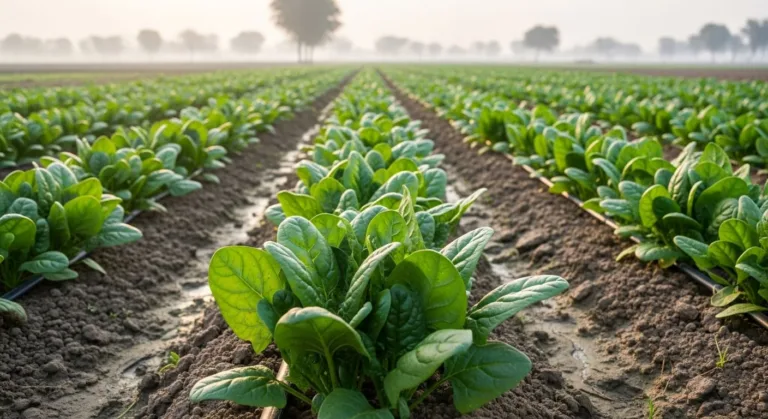
Here’s the deal: spinach absolutely loves cool weather. In Pakistan, the best time to grow spinach is during the winter months, specifically from October through March. Think of spinach as that friend who complains when it’s too hot outside, it just can’t handle the Pakistani summer heat! When temperatures drop and the weather becomes pleasant, that’s when spinach thrives and grows like crazy.
The ideal temperature for spinach is between 15°C to 20°C (that’s about 59°F to 68°F). During Pakistan’s winter months, most regions hit this sweet spot perfectly. It’s like Goldilocks and the three bears, not too hot, not too cold, but just right! This is why you’ll see tons of fresh spinach in markets from November through February, and farmers are busy harvesting their crops during these months.
Different regions of Pakistan have slightly different planting times, though. In northern areas like Peshawar and Islamabad, farmers might start planting as early as September because it gets cooler faster there. In southern regions like Karachi and Hyderabad, October or even early November works better. It’s all about reading the weather and knowing your local climate!
Why Spinach Hates Pakistani Summers
Imagine wearing a thick winter jacket in June when it’s blazing hot outside. That’s basically how spinach feels during Pakistani summers! When temperatures climb above 25°C (77°F), spinach plants start to struggle. They go through something called bolting, which sounds like they’re running away, and in a sense, they kind of are!
Bolting is when the spinach plant suddenly shoots up tall and starts producing flowers and seeds instead of nice, tasty leaves. It’s the plant’s emergency response to stress. The plant basically thinks, “It’s too hot! I need to make seeds quickly before I die!” Once spinach bolts, the leaves become bitter and tough, not the tender, delicious greens you’d want in your food.
The summer heat in Pakistan, which can easily reach 40°C (104°F) or higher in many areas, is way too intense for spinach. That’s why you won’t find farmers planting spinach from April to September. It would be like trying to build a snowman in the desert, technically possible with enough effort, but really not worth it!
The Two Main Growing Windows in Pakistan
Pakistan actually has two spinach growing seasons, though one is much better than the other. The main season runs from October to February, and this is when you get the best quality spinach. Farmers plant seeds in October and November, and they can harvest multiple times throughout the winter. Spinach is pretty cool because you can cut the leaves and the plant will grow more, kind of like how your hair grows back after a haircut!
The secondary season is from February to March, which is like the bonus round. As winter ends and spring begins, farmers can squeeze in one more planting if they time it right. However, they need to be careful because if March gets too warm too quickly, the spinach will bolt before it’s ready to harvest. It’s a bit of a gamble, but experienced farmers know how to read the weather patterns.
Some adventurous farmers in cooler mountainous regions of Pakistan, like in parts of Khyber Pakhtunkhwa or northern Punjab, can sometimes grow spinach into April. The higher altitude keeps things cooler longer, giving spinach a bit more time to grow. It’s like having a natural air conditioner thanks to the mountains!
How Farmers Maximize Their Spinach Harvest
Smart farmers in Pakistan use several tricks to get the most out of their spinach crops. First, they use a technique called succession planting. Instead of planting all their spinach at once, they plant small batches every two weeks from October to January. This way, they have fresh spinach ready to harvest continuously rather than all at once. It’s like having multiple batches of cookies baking at different times, so you always have fresh ones!
Many farmers also choose fast-growing varieties that mature in just 40-50 days. In Pakistan, popular varieties include Desi Palak and some hybrid varieties that are specifically bred to handle local conditions. These quick-growing types are perfect for the relatively short growing season. Platforms like Multanfarms.com often provide information about the best varieties suited for Pakistani conditions.
Proper irrigation is super important too. Even though spinach likes cool weather, it still needs regular water. Farmers typically water their spinach every 3-4 days during winter, depending on the soil type and rainfall. Too much water can cause root rot (basically the roots get soggy and sick), while too little makes the leaves tough and bitter. It’s all about finding that perfect balance!
Regional Differences Across Pakistan
Pakistan is a big country with diverse climates, so spinach growing seasons vary quite a bit depending on where you are. In Punjab, especially areas around Lahore, Faisalabad, and Multan, the peak season is November through February. The winter is mild enough for excellent spinach production, and these regions supply a huge amount of spinach to local markets.
Sindh, particularly interior Sindh, has a shorter optimal season because it stays warmer longer. Farmers there focus on December and January, when temperatures are coolest. Coastal areas like Karachi have a slightly extended season thanks to sea breezes that keep things a bit cooler. It’s nature’s way of giving them a little extra growing time!
In Khyber Pakhtunkhwa and northern areas, the season can start earlier and end later because of the cooler climate. Some farmers there can grow spinach from September all the way to April in good years. The mountain valleys provide perfect conditions, though frost can sometimes be a problem in the coldest months. Farmers have to cover their crops on particularly cold nights, like tucking them in with a blanket!
What This Means for You and Your Family
Understanding spinach growing seasons affects more than just farmers. When you know when spinach is in season, you can make smarter choices at the market! In-season spinach (November to February) is typically fresher, cheaper, and more nutritious because it hasn’t been stored for long periods or transported from far away. It’s like the difference between a just-baked cookie and one that’s been sitting in the jar for weeks.
You’ll notice that spinach prices drop significantly during peak season. A bundle of spinach that might cost PKR 80-100 in summer (when it’s brought from cooler regions or imported) might cost only PKR 20-30 during winter when local farms have plenty. Your family’s grocery budget will definitely thank you for buying seasonal produce!
If you’re thinking about growing spinach at home, now you know exactly when to try it. Got a small garden, balcony, or even some pots? October through January is your window of opportunity. You can grow spinach in containers, and it’s actually pretty easy. Plus, there’s something super satisfying about eating vegetables you grew yourself!
The Science Behind Why Timing Matters
Let’s talk about the science for a minute, but don’t worry, we’ll keep it simple! Spinach is what scientists call a cool-season crop, which means it’s genetically programmed to grow best in cooler temperatures. When the weather is right, the plant puts all its energy into producing those big, healthy leaves we want to eat. The leaves are soft, tender, and packed with nutrients like iron, vitamins, and minerals.
But when temperatures rise, the plant’s programming changes. It switches from “growing mode” to “survival mode.” The plant starts focusing on reproduction (making seeds) rather than making leaves. This is why the leaves become smaller, tougher, and bitter, the plant isn’t worried about being delicious anymore, it’s worried about making the next generation of spinach plants!
Sunlight also plays a role. Spinach prefers shorter day lengths, which naturally occur during Pakistan’s winter months. When days get longer (which happens as summer approaches), this signals the plant that it’s time to bolt. It’s like having a built-in calendar that tells the plant what season it is!
Making the Most of Spinach Season
Now that you’re a spinach season expert, you can appreciate why fresh palak saag tastes so much better in winter! Whether you’re buying it from your local market, getting it from farms that supply platforms like Multanfarms.com, or growing it yourself, knowing the season helps you get the best quality at the best price. It’s all about working with nature instead of against it.
The next time you enjoy a delicious plate of palak paneer or saag gosht during winter, you’ll know why that spinach tastes so fresh and amazing. It’s because you’re eating it at exactly the right time of year, when nature intended for it to grow in Pakistan. Pretty cool, right? Have you ever thought about trying to grow your own spinach this winter? With the right timing, you might be surprised at how easy and rewarding it can be!