Have you ever cracked open a fresh egg for breakfast and wondered where it came from? Maybe you’ve thought about raising chickens in your backyard to get fresh eggs every day. If you live in Pakistan or are curious about poultry farming here, you’re probably asking yourself an important question: which type of hen produces the most eggs and thrives in Pakistan’s climate?
Choosing the right chicken breed isn’t as simple as picking the prettiest bird at the market. Pakistan’s hot summers, varying regional climates, and local farming conditions mean that some hens perform much better than others. Whether you’re helping your family start a small backyard coop or you’re just curious about where your breakfast comes from, understanding the best egg-laying breeds for Pakistan can be really fascinating. Let’s dive into the world of chickens and discover which feathered friends are the egg-laying champions of Pakistan!
Why Does the Breed Matter Anyway?
You might be thinking, “Aren’t all chickens pretty much the same?” Actually, no! Just like dogs come in different breeds with different traits, chickens vary widely too. Some breeds are raised for their meat, others for their beautiful feathers, and some are specifically bred to be egg-laying machines.
In Pakistan’s climate, where summer temperatures can soar above 40°C (104°F) in many regions, not every chicken breed can handle the heat. Some hens that do great in cooler countries like England or America might struggle or even get sick in Pakistan’s weather. That’s why farmers at places like Multanfarms.com focus on breeds that can tolerate hot weather while still producing plenty of eggs. Think of it like choosing the right clothes for the weather. You wouldn’t wear a heavy winter coat in Multan’s summer, right? Similarly, chickens need to be suited to their environment.
The Top Egg-Laying Champions for Pakistan
Rhode Island Red: The Reliable Performer
If chickens had a “most dependable” award, the Rhode Island Red would probably win it. These reddish-brown birds are incredibly popular across Pakistan for good reason. A healthy Rhode Island Red hen can lay around 250 to 300 eggs per year. That’s almost one egg every single day!
What makes them special for Pakistan? They’re tough birds that can handle hot weather pretty well, and they don’t get sick easily. They’re also friendly and easy to care for, which makes them perfect for beginners. Many farms across Punjab and Sindh provinces prefer this breed because it consistently delivers results. Plus, their eggs are large and brown, which many people prefer.
White Leghorn: The Egg-Laying Machine
If the Rhode Island Red is dependable, the White Leghorn is the superstar of egg production. These white-feathered chickens can produce an incredible 280 to 320 eggs per year! They’re basically the marathon runners of the chicken world, just keeping on going.
White Leghorns are the most common breed used in commercial egg farms across Pakistan. You’ll find them in large poultry operations from Karachi to Lahore. They’re smaller birds that don’t eat as much food as heavier breeds, which makes them economical to raise. However, they can be a bit nervous and flighty compared to other breeds. The eggs they produce are white and medium-sized, perfect for your morning omelet.
Fayoumi: Pakistan’s Local Hero
Here’s something cool: the Fayoumi chicken is an Egyptian breed that has adapted really well to Pakistan’s climate. These birds might not produce as many eggs as Leghorns (usually around 150 to 180 eggs per year), but they have a secret weapon. They’re incredibly heat-resistant and disease-resistant.
Think of Fayoumi chickens as the local kids who grew up playing cricket in the hot sun, while other breeds are like exchange students still getting used to the weather. Many farmers in rural areas of Pakistan prefer Fayoumi chickens because they require less intensive care and can survive with simpler housing and feeding arrangements. They’re scrappy, independent, and perfect for traditional farming methods.
What Makes a Great Egg-Layer in Pakistan’s Environment?
Choosing the best hen for eggs in Pakistan isn’t just about picking the breed that lays the most eggs in perfect conditions. You’ve got to consider several factors that affect how well chickens perform in real Pakistani farms and backyards.
Heat Tolerance is Crucial
Pakistan experiences extreme heat, especially from May to August. During these months, temperatures regularly exceed 40°C in many cities. Chickens can suffer from heat stress, which makes them lay fewer eggs or stop laying altogether. The best breeds for Pakistan are those that have developed natural heat tolerance. They might pant like dogs to cool down, seek shade, and drink lots of water, but they keep on laying eggs even when the temperature rises.
Disease Resistance Matters
In Pakistan’s climate, certain poultry diseases spread more easily. Chickens that have strong immune systems and natural disease resistance will save you time, money, and heartbreak. Breeds like the Rhode Island Red and Fayoumi are known for being hardy birds that don’t get sick as often as more delicate breeds. This is especially important if you’re raising chickens at home where you might not have easy access to veterinary care.
Feed Efficiency Counts
Some chicken breeds are like fuel-efficient cars. They convert their food into eggs very efficiently. White Leghorns are excellent in this department. They eat less food compared to heavier breeds but still produce lots of eggs. In Pakistan, where chicken feed costs can add up quickly, having an efficient breed can make a big difference to your budget.
Setting Up for Success: What Your Hens Need
Even the best egg-laying breed won’t perform well without proper care. Let’s look at what chickens need to produce lots of eggs in Pakistan’s conditions.
Proper Housing and Ventilation
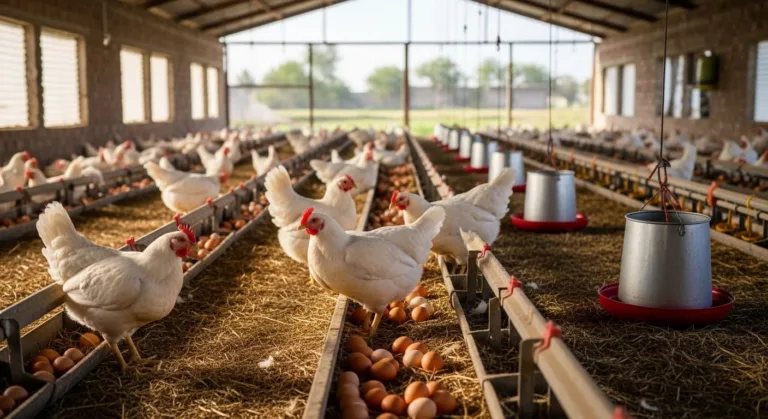
Your chickens need a coop that protects them from the heat, predators, and monsoon rains. Good ventilation is super important in Pakistan’s hot climate. Think of it like having a fan in your room during summer. Without air circulation, chickens can overheat quickly. The coop should also provide shade during the hottest parts of the day and clean, dry roosting areas where hens can sleep at night.
Quality Feed and Fresh Water
Eggs are made mostly of protein and calcium. If you want your hens to lay lots of high-quality eggs, they need good nutrition. Commercial layer feed is specially formulated with the right balance of nutrients. In Pakistan, you can find quality feed at agricultural stores in most cities and towns. Fresh, clean water is equally important, especially during hot weather. A hen that’s even slightly dehydrated will reduce her egg production significantly.
The Right Number of Hens
Here’s an interesting fact: chickens are social animals and do better in groups. However, you don’t want too many roosters (male chickens) because they can stress out the hens. For backyard egg production, you actually don’t need any roosters at all! Hens will lay eggs without a rooster around. The eggs just won’t be fertilized, which is perfectly fine if you want them for eating, not hatching.
How Multanfarms.com Helps Pakistani Farmers
Farms like Multanfarms.com play an important role in Pakistan’s poultry industry. They understand the specific challenges of raising chickens in Pakistan’s environment and provide valuable resources to both large-scale farmers and people with backyard coops. These farms often sell healthy chicks of proven breeds, offer advice on care and feeding, and share knowledge about the best practices for egg production in local conditions.
When you get chickens from experienced sources, you’re more likely to get birds that are already adapted to Pakistan’s climate and have been bred for high egg production. It’s like getting a head start in a race, you’re beginning with birds that have the best chance of success.
Making Your Decision: Which Breed Should You Choose?
So, which hen is truly the best for eggs in Pakistan? The honest answer is: it depends on your situation!
If you want maximum egg production and plan to care for your chickens intensively with good feed and housing, go with White Leghorns. They’re the top producers and most commercial farms choose them for a reason.
If you want a well-rounded bird that’s friendly, produces good eggs, and handles various conditions well, Rhode Island Reds are your best bet. They’re like the all-purpose smartphone of chickens, they do everything pretty well.
If you’re in a hot area with limited resources or want a low-maintenance flock, Fayoumi chickens might be perfect for you. They won’t produce as many eggs, but they’re survivors that thrive with less intensive care.
Some smart farmers even keep mixed flocks with different breeds, enjoying the benefits of each type. There’s no single “wrong” choice, just different options that work better for different situations.
Your Egg-cellent Future Awaits!
Raising chickens for eggs in Pakistan can be a rewarding experience, whether you’re doing it for your family’s breakfast table or thinking about a small farming business. The key is choosing a breed that matches Pakistan’s climate, your available resources, and your goals for egg production.
Remember, the best chicken breed is one that you can care for properly and that thrives in your specific conditions. With the right breed and good care, you could be collecting fresh eggs from your own backyard in just a few months!
So, are you ready to become a chicken keeper and enjoy fresh eggs every morning? Which breed sounds like the right fit for you?