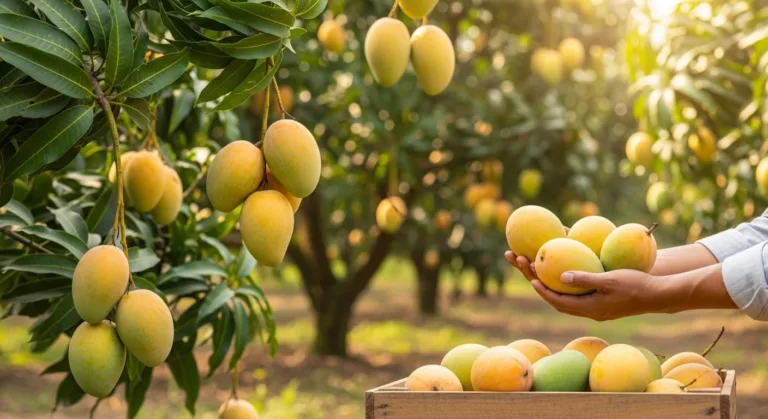
Have you ever bitten into a perfectly ripe, juicy mango and wondered where this amazing fruit came from? Mangoes are like nature’s candy, sweet, delicious, and packed with flavor. But here’s something cool: not all mangoes are created equal, and certain cities around the world have become legendary for producing the absolute best ones!
Imagine if your hometown became famous for something it grew better than anywhere else on the planet. That’s exactly what’s happened with mangoes in several cities across the globe. These places have the perfect combination of climate, soil, and farming expertise to grow mangoes that make people’s taste buds dance with happiness. Some cities are so famous for their mangoes that people travel from far away just to taste them during mango season!
In this article, we’re going on a delicious journey to discover which cities are celebrated for their incredible mangoes. You’ll learn what makes these places so special, why their mangoes taste different from others, and some surprising facts about the “king of fruits.” Get ready to become a mango expert!
The Mango Capital of India: Mirpur Khas
When people talk about amazing mangoes, one city in Pakistan consistently steals the spotlight: Mirpur Khas. This city, located in the Sindh province, is often called the “Mango Capital” because it produces some of the sweetest, most flavorful mangoes you’ll ever taste. The star variety here is called Sindhri, and it’s so good that people consider it the gold standard of mangoes!
What makes Mirpur Khas mangoes so special? It’s all about location, location, location! The city has hot, dry summers and just the right amount of rainfall. Think of it like Goldilocks and the Three Bears, not too wet, not too dry, but just right for mangoes. The soil is rich in nutrients, kind of like how fertile ground helps a garden grow amazing vegetables.
During mango season (usually May through August), the entire city comes alive with mango fever. Markets overflow with golden-yellow fruits, the sweet aroma fills the air, and festivals celebrate this incredible crop. Farmers in Mirpur Khas have perfected their growing techniques over generations, passing down knowledge like a precious family recipe.
The Sindhri mango from this region is famous for being fiber-free, which means it’s super smooth when you eat it. It’s like the difference between crunchy peanut butter and smooth peanut butter, some people just prefer that silky texture!
India’s Mango Hotspots: Where Sweet Meets Tradition
India is absolutely crazy about mangoes, and several Indian cities have earned worldwide fame for their exceptional varieties. Ratnagiri and Devgad in Maharashtra are practically synonymous with the Alphonso mango, often called the “King of Mangoes.” This variety is so prized that it’s exported to countries around the world and costs more than regular mangoes.
The Alphonso is known for its rich, creamy texture and perfect balance of sweetness and tanginess. It’s like comparing a gourmet ice cream to regular ice cream, both are good, but one is extraordinary! The coastal climate of these cities, with their unique combination of sea breeze and warmth, creates ideal conditions that can’t be replicated elsewhere.
Another famous mango city in India is Lucknow in Uttar Pradesh, celebrated for the Dasheri variety. This mango has been grown in the region for over 200 years! The Dasheri is known for its sweet, aromatic flavor and smooth, fiberless flesh. Locals say that once you taste a Dasheri from Lucknow, other mangoes just don’t compare.
Malihabad, also in Uttar Pradesh, deserves special mention too. This small town produces more than 70% of the mangoes sold in northern India! Walking through Malihabad during mango season is like walking through a fruity wonderland, with orchards stretching as far as you can see.
The Philippine Mango Paradise: Guimaras Island
Halfway around the world, Guimaras Island in the Philippines has built its entire identity around mangoes. This small island produces the sweetest mangoes in the world, seriously! They even made it into the Guinness Book of World Records. The Guimaras mango is so sweet that it barely has any tartness at all.
What’s the secret? The island’s volcanic soil is incredibly nutrient-rich, kind of like how volcanic soil in Hawaii helps pineapples grow so well. The tropical climate, with consistent warmth and regular rainfall, creates a mango paradise. Farmers here grow a variety called Carabao mangoes, which are smaller than some other types but packed with incredible flavor.
The people of Guimaras take their mangoes seriously. They have strict quality control, and only the best mangoes get the “Guimaras” label. It’s like how champagne can only be called champagne if it comes from the Champagne region of France. They’ve protected their reputation by making sure every mango that leaves the island meets high standards.
During the annual Manggahan Festival (that’s “mango festival” in the local language), the whole island celebrates with mango-eating contests, cooking competitions using mangoes, and even mango street dancing! Can you imagine a whole festival dedicated to one fruit? That’s how important mangoes are to this community.
Why Climate and Soil Make All the Difference
You might be wondering why mangoes from certain cities taste so much better than others. It’s not magic, it’s science! Mangoes are super picky about where they grow. They need specific conditions to develop that perfect sweetness and texture that makes them irresistible.
First, mangoes love heat. They need consistent warm temperatures, usually between 75-95°F, to grow properly. But they also need a dry period before the fruit sets, kind of like how you need to let cookie dough rest before baking for the best results. Cities famous for mangoes typically have hot, dry seasons followed by some rainfall, which gives the fruit time to develop its sugars.
The soil matters too. Mangoes prefer well-drained soil that’s slightly acidic. Think of it like this: if you were growing a plant in a pot, you wouldn’t use clay that doesn’t drain, right? You’d use potting soil that lets water flow through. Mango trees are the same way. The famous mango cities all have soil that drains well but still holds enough moisture and nutrients.
At Multanfarms.com, understanding these perfect growing conditions is essential. Whether it’s learning from the techniques used in Mirpur Khas, Ratnagiri, or Guimaras, knowing what makes world-class mangoes helps farmers everywhere improve their crops.
Different Varieties for Different Cities
Here’s something fascinating: there are over 1,000 varieties of mangoes grown worldwide! Each famous mango city tends to specialize in varieties that work best with their unique climate and soil. It’s kind of like how different regions make different styles of pizza, they’re all pizza, but each has its own special character.
The Alphonso from Ratnagiri is small to medium-sized with golden-yellow skin and saffron-colored flesh. It’s incredibly aromatic, meaning you can smell its sweetness even before you cut it open. People describe its taste as having hints of apricot and peach mixed with pure mango goodness.
The Sindhri from Mirpur Khas is larger and has bright yellow skin when ripe. It’s super juicy and has a honey-like sweetness that makes it perfect for eating fresh. Unlike some mangoes that are better for cooking, Sindhri is best enjoyed straight from the tree (or from the market!).
The Carabao mango from Guimaras is kidney-shaped and turns golden-yellow when ripe. It has almost no fiber, which makes it incredibly smooth to eat. The sweetness level is off the charts, sometimes measuring higher than other varieties on the Brix scale (that’s how scientists measure sugar content in fruit).
Other varieties like Kesar from Gujarat, India, Chaunsa from Pakistan, and Ataulfo from Mexico each have their own fan clubs. People debate which is best like sports fans argue about their favorite teams!
How Mangoes Impact Local Economies
For cities famous for mangoes, this fruit isn’t just a tasty snack, it’s serious business! Mango farming provides jobs for thousands of people, from the farmers who grow them to the workers who pack and transport them. During peak season, entire communities revolve around getting these precious fruits from orchards to markets and eventually to your table.
In Mirpur Khas, mango farming supports countless families. The season brings in income that people rely on for the whole year. It’s similar to how some beach towns depend on summer tourism, mango cities depend on that crucial harvest period. Markets buzz with activity, trucks loaded with mangoes head to cities across the region, and exporters ship premium fruit to other countries.
Tourism has also become a big deal in these mango-famous cities. People actually plan vacations around mango season! They visit orchards, taste different varieties, and bring home boxes of fresh mangoes. Some farms even offer “mango tourism” experiences where visitors can pick their own fruit and learn about cultivation. It’s like apple-picking in the fall, but with mangoes!
The global mango trade is worth billions of dollars, and cities with the best reputations can charge premium prices. A box of Alphonso mangoes from Ratnagiri might cost three times more than regular mangoes, but people happily pay because they know they’re getting something special.
Bringing It All Together: A World of Mango Magic
From the sun-drenched orchards of Mirpur Khas to the tropical paradise of Guimaras Island, cities around the world have earned their mango fame through generations of dedication, perfect growing conditions, and exceptional fruit quality. These places prove that when nature and human expertise combine, the results can be absolutely delicious!
Understanding where the best mangoes come from helps us appreciate this incredible fruit even more. Next time you enjoy a mango, think about the city where it might have grown, the farmer who tended the tree, and the perfect conditions that made it so sweet and juicy. Whether it’s a Sindhri, Alphonso, or Carabao, each variety tells a story of its hometown.
So here’s a question for you: if you could visit any of these famous mango cities during harvest season, which one would you choose? Would you head to Mirpur Khas for the legendary Sindhri, travel to Ratnagiri for the royal Alphonso, or island-hop to Guimaras for record-breaking sweetness? Wherever mangoes grow, they bring communities together and create memories as sweet as the fruit itself!