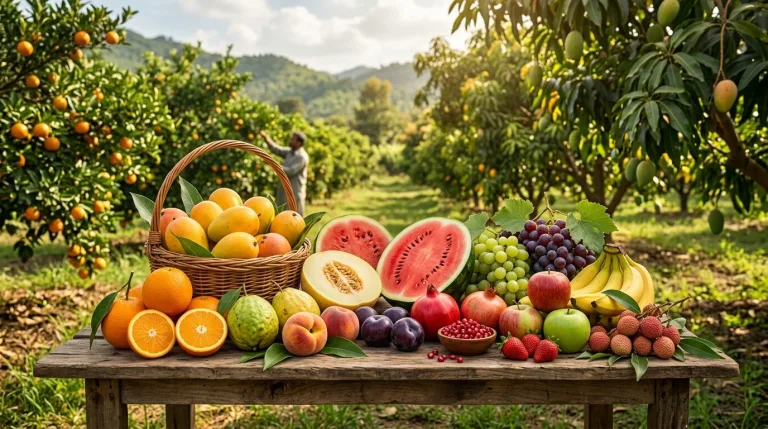
Pakistan is one of those rare countries where you don’t have to choose between a glorious mango summer and a sweet citrus winter. The country’s geography is so varied, from the scorching plains of Sindh to the cool mountain valleys of Gilgit-Baltistan, that almost every kind of fruit finds its perfect growing conditions somewhere within its borders. And when each fruit is in its natural season, the taste is in a completely different league from anything imported or stored for months in cold storage.
But here’s something most people don’t stop to think about. The same fruit can taste dramatically different depending on when you eat it. A mango pulled straight from the tree in June is a completely different experience from one that’s been artificially ripened and shipped across the country in December. Understanding which fruits are in season in Pakistan means knowing exactly when to go to the market and get the very best of what’s available.
Let’s take a tour through Pakistan’s fruit calendar, season by season.
Spring (February to April): A Fresh Start with Early Fruits
Spring in Pakistan brings warming temperatures and the first wave of fresh fruit to local markets. Strawberries are one of the season’s biggest highlights, grown mainly in the cooler zones of Punjab and parts of Khyber Pakhtunkhwa. Fresh Pakistani strawberries at peak ripeness are bright red, deeply fragrant, and far sweeter than the imported varieties you’ll find in the off-season months.
Loquat, locally known as “lukaat,” is another spring gem that many people overlook entirely. This small, orange-yellow fruit grows in clusters and has a sweet, mildly tangy flavor that sits somewhere between a peach and a plum. It ripens from March through April and is commonly found in hillside regions and home gardens across Punjab. If you’ve never tried fresh loquat in spring, you’re genuinely missing one of Pakistan’s best-kept fruit secrets.
Summer (May to August): The Season of Extraordinary Abundance
Summer is when Pakistan’s fruit calendar goes into full bloom, and the undisputed star of the season is the mango. Pakistan ranks among the world’s top mango-producing countries, and varieties like Chaunsa, Sindhri, Langra, and Anwar Ratol each have their own passionate fans across the country. Mangoes arrive in markets from May and peak through July and August, and if you’re in Multan during mango season, you already know there’s nothing quite like it anywhere else in the world.
Right alongside mangoes, watermelon and kharbooza (melon) take over summer tables from May through August. These high-water-content fruits are practically designed for Pakistan’s intense heat, keeping you hydrated and cool when temperatures climb past 40 degrees. Falsa, a tiny dark purple berry with a tart, refreshing punch, is another summer classic that’s impossible to resist when sold chilled at street stalls and fruit carts.
Summer also brings apricots from Gilgit-Baltistan, one of the finest apricot-producing regions in the entire world. Gilgit apricots are dried and enjoyed year-round, but the fresh ones available in June are something truly special. Lychee, plums, and jamun (black plum) also peak during these months, making summer the most generously stocked season on Pakistan’s fruit calendar.
Autumn (September to November): The Sweet Transition
As the heat breaks and temperatures begin to drop, a whole new lineup of fruit takes over the markets. Guava, or “amrood,” is one of autumn’s greatest offerings and remains available well into winter. Pakistani guava, especially the large pink-fleshed variety from central Punjab, is celebrated for its incredible sweetness, strong fragrance, and soft texture that deepens beautifully as the season progresses.
Pomegranate, locally called “anar,” is another autumn star worth celebrating. Pakistan grows outstanding pomegranates in Balochistan and parts of Khyber Pakhtunkhwa, and the ruby-red arils burst with sweet-tart juice when you bite into them. Research consistently links pomegranate consumption to heart health and antioxidant benefits, which makes eating a bowl of fresh anar in October feel like a genuinely worthwhile habit.
Autumn also brings grapes from Balochistan and the northern regions, available in green, red, and dark purple varieties depending on the area. Apples from Swat, Gilgit-Baltistan, and Balochistan hit their peak in September and October, offering a crisp, refreshing alternative to summer’s softer fruits. Persimmon, known locally as “japani phal,” makes a brief but delicious appearance in late October and November, adding one more reason to love the autumn fruit season in Pakistan.
Winter (November to February): Citrus Takes the Stage
If Pakistan’s summer belongs to the mango, its winter belongs to the kinnow. This mandarin-orange hybrid is grown extensively across Punjab, particularly in Sargodha district, and is one of Pakistan’s most important export fruits. Kinnow season runs from November through February, and the fruit is loved across the country for its bright orange color, easy-to-peel skin, and intensely sweet, juicy segments.
Oranges and grapefruit also fill winter markets during these months, providing a vital boost of vitamin C exactly when the cold season brings increased risk of colds and infections. Dates, while available year-round, are harvested fresh in late summer but remain a deeply beloved winter staple in dried form across Pakistani households. Banana is technically available all year in Pakistan, but its quality is noticeably better in the cooler months when it ripens more gradually and develops richer, more complex flavor.
Winter is also when guava continues to perform beautifully, overlapping from the autumn season all the way through January, giving you a reliable source of fresh, sweet fruit even in the coldest weeks of the year.
Why Eating Seasonal Fruits Actually Matters
It’s easy to walk into a supermarket and buy almost any fruit at any time of year, but seasonal fruit is almost always fresher, better tasting, and more nutritious. Fruits picked at natural peak ripeness carry higher concentrations of vitamins, antioxidants, and natural sugars compared to fruits harvested early and ripened artificially during long-distance transport.
Eating seasonal also means directly supporting the local farmers and agricultural communities who grow these fruits with real care and expertise. In Pakistan, where fruit farming is central to the livelihoods of families across Multan, Sargodha, Swat, and Gilgit-Baltistan, choosing seasonal produce is an investment in the people behind your food. It tastes better for you, and it genuinely matters to them.
Pakistan’s Fruit Calendar Is a Gift Worth Celebrating
From the first strawberries of spring to the last kinnow of February, Pakistan’s seasonal fruit cycle is one of the most diverse and rewarding in the world. Each season brings its own lineup of flavors, colors, and nutritional benefits, and following that natural rhythm is one of the simplest ways to eat better and live better all year long.
At Multanfarms.com, we celebrate the agricultural richness of Pakistan and the farming communities who make it possible. Explore our resources to learn more about the natural produce, traditional foods, and agricultural knowledge that define Pakistan’s extraordinary food heritage. Visit Multanfarms.com to discover more.