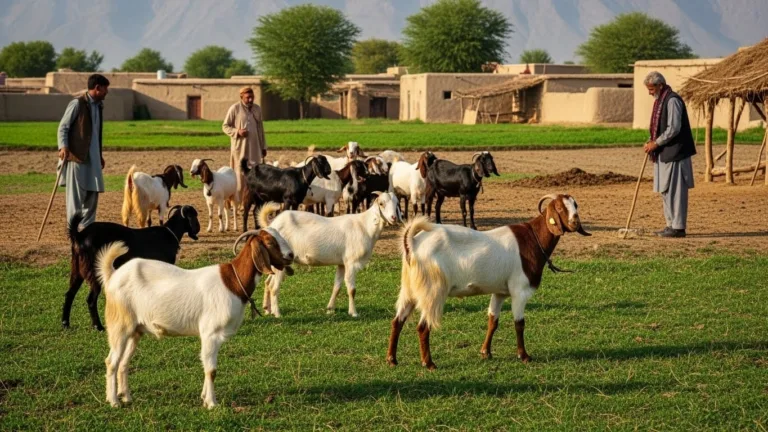
Imagine walking through a bustling market where the sounds of bleating goats mix with the chatter of excited buyers and sellers. The air smells like spices, and everywhere you look, there are goats of all sizes and colors, from pure white to spotted brown and black. This isn’t just any ordinary market, it’s one of Pakistan’s famous livestock markets, and goats are the absolute stars of the show!
Pakistan has a special relationship with goats that goes back thousands of years. These amazing animals aren’t just farm creatures, they’re a vital part of the country’s economy, culture, and daily life. In fact, Pakistan is home to over 78 million goats, making it one of the top goat-raising countries in the entire world! That’s more goats than there are people in many countries.
So why are goats such a big deal in Pakistan? What makes these animals so valuable to millions of families? And what can we learn from how Pakistani farmers, including those at places like Multanfarms.com, raise and care for these incredible creatures? Let’s explore the fascinating world of goats in Pakistan and discover why they matter so much!
Pakistan’s Amazing Goat Breeds: A Rainbow of Variety
Pakistan isn’t just raising any old goats, the country is home to some of the most unique and valuable goat breeds in the world! Think of it like how different dog breeds have different talents, some goats are better for milk, others for meat, and some are raised just because they’re so beautiful and unique.
The Beetal goat is like the superstar athlete of Pakistani goats. These goats are huge, with long, floppy ears that can reach down to their shoulders! They’re amazing milk producers and can weigh up to 200 pounds. Farmers love Beetal goats because they adapt well to Pakistan’s hot climate and produce both lots of milk and good meat. They’re basically the multi-talented performers of the goat world.
Another special breed is the Teddy goat, and yes, they’re as cute as they sound! These goats have incredibly long, silky hair that makes them look almost like they’re wearing fancy coats. People raise Teddy goats mainly for their appearance, and they can sell for huge amounts of money, sometimes tens of thousands of dollars! It’s like having a rare collectible that also happens to be a living animal.
The Kamori goat is another Pakistani treasure, known for being one of the best dairy goats in the world. These goats produce so much milk that families can make their living just from selling goat milk and cheese. They have beautiful brown and black coloring and can produce over three liters of milk per day. That’s enough to fill several of those big water bottles you might take to sports practice!
Why Goat Farming is a Lifeline for Pakistani Families
For millions of people in Pakistan, goats aren’t just animals, they’re like a living savings account. When families need money for emergencies, school fees, or medical bills, they can sell a goat. It’s much more practical than keeping money in a piggy bank, especially in rural areas where banks might be far away!
Goat farming works really well for small-scale farmers because goats don’t need tons of space or expensive equipment. Unlike cattle, which need lots of room and eat huge amounts of food, goats are efficient and adaptable. They can eat plants that other animals won’t touch, climb rocky terrain that cows can’t handle, and they’re small enough that even a family with a small yard can raise a few goats. It’s like choosing a pet that actually helps pay the bills!
Many women in Pakistan run successful goat-raising businesses from their homes. This is super important because it gives them economic independence and a way to contribute to their family’s income. They can manage a small herd of goats while also taking care of their households. Some women have turned their goat operations into thriving businesses, selling milk, meat, and even breeding high-quality goats to other farmers.
Pakistan’s government recognizes how important goats are to fighting poverty. They’ve created programs to help farmers get better goats, learn modern farming techniques, and access markets where they can sell their animals for good prices. It’s like having a support system that helps people build better lives, one goat at a time.
The Cultural Celebration: Eid and the Goat Connection
If you’ve ever heard of Eid al-Adha, you know that goats play a huge role in one of Pakistan’s most important religious celebrations. During this festival, which happens once a year, families who can afford it sacrifice an animal, usually a goat, to honor their faith and share meat with those who need it.
The weeks leading up to Eid are like the Super Bowl season for goat farmers! Markets pop up everywhere, filled with thousands of goats decorated with colorful ribbons, paint, and even lights. Families spend hours shopping for the perfect goat, examining them carefully and negotiating prices. Some goats can sell for the equivalent of several thousand dollars, especially if they’re big, healthy, and from special breeds.
This tradition creates a massive boost to Pakistan’s economy. Farmers who’ve been raising goats all year finally get to sell them for good prices, transporters move animals across the country, and markets buzz with activity. It’s estimated that billions of dollars change hands during this season. But it’s not just about money, it’s about bringing communities together, helping those in need, and continuing traditions that have been practiced for over a thousand years.
After the sacrifice, families share the meat in three parts: one for themselves, one for relatives and friends, and one for people who can’t afford meat regularly. This means that even families struggling financially get to enjoy nutritious goat meat during the celebration. It’s a beautiful example of how tradition and generosity work together.
Modern Farming Meets Traditional Knowledge
Pakistani goat farming is getting a serious upgrade! While traditional methods still work great, farmers are now combining old wisdom with new technology to raise healthier goats and make better profits. Places like Multanfarms.com represent this new wave of smart, sustainable farming.
Modern Pakistani goat farms use veterinary care to keep their animals healthy. This means regular check-ups, vaccinations, and treatments if goats get sick. It’s just like how you go to the doctor for check-ups and shots to stay healthy! Healthy goats grow faster, produce more milk, and have stronger babies, which means better income for farmers.
Some farmers are also using technology to improve breeding. They keep careful records of which goats produce the most milk or have the healthiest kids (that’s what baby goats are called!). By selecting the best animals for breeding, they’re gradually making their herds stronger and more productive. Think of it like how plant breeders create better vegetables over time, farmers are creating better goat varieties.
Nutrition has become a big focus too. Instead of just letting goats eat whatever they find, progressive farmers are creating balanced diets with the right mix of grasses, grains, and minerals. It’s like the difference between eating only candy versus eating a balanced meal with protein, vegetables, and whole grains. Better nutrition means healthier, more productive goats.
Environmental Heroes: How Goats Help Pakistan’s Landscape
Here’s something you might not expect: goats are actually helping Pakistan deal with environmental challenges! In many parts of Pakistan, tough, thorny plants and weeds take over land and make it hard to farm. But goats love eating these plants that other animals won’t touch.
Goats are like nature’s lawn mowers and weed whackers combined! They can clear land of unwanted vegetation, which helps prevent wildfires and makes space for better plants to grow. In hilly and mountainous areas where machinery can’t reach, goats do the job perfectly. Their ability to climb steep slopes and eat hardy plants makes them ideal for managing difficult terrain.
Their manure is also valuable as natural fertilizer. Instead of buying expensive chemical fertilizers, farmers can use goat droppings to enrich their soil and grow better crops. It’s a perfect example of sustainable farming where nothing goes to waste. The goats eat plants, produce valuable milk and meat, and their waste helps grow the next season’s crops. Talk about a win-win situation!
However, it’s important to manage goat herds carefully. Too many goats in one area can overgraze and damage the land, kind of like how too many people walking on a lawn will wear away all the grass. Smart farmers rotate their goats to different areas, giving the land time to recover. This balance between using resources and protecting the environment is crucial for the future.
Challenges and Hope for Tomorrow
Life isn’t always easy for goat farmers in Pakistan. They face challenges like disease outbreaks, which can devastate entire herds. Diseases spread quickly among animals, especially when goats are crowded together in markets or during transport. Climate change is making things harder too, with unpredictable weather patterns affecting the plants goats eat and the water they need.
Access to good veterinary care is still limited in many rural areas. Imagine if the nearest doctor was hours away when you got sick, that’s what many farmers deal with when their goats need medical attention. Better infrastructure, like roads, clinics, and trained animal doctors, would help solve this problem.
Despite these challenges, the future looks bright! Young people in Pakistan are getting interested in goat farming as a modern career, not just a traditional practice. Agricultural schools are teaching new techniques, the government is investing in livestock development, and organizations are helping farmers connect with better markets.
The Bigger Picture: Why This All Matters
Pakistan’s goat industry shows us how animals can be so much more than just farm creatures. Goats represent economic opportunity, cultural tradition, environmental management, and food security all rolled into one amazing package. For a country with over 220 million people, having a thriving goat sector means millions of families have a pathway out of poverty.
Understanding Pakistan’s relationship with goats also teaches us about global agriculture and food systems. While you might buy your food at a supermarket, billions of people around the world depend directly on animals like goats for their survival and success. It connects us to the reality that food production is complex, important work that deserves respect and support.
Next time you hear about Pakistan or see goats on a farm, you’ll know there’s an incredible story behind those bleating, curious animals with their funny rectangular pupils! They’re not just goats, they’re economic engines, environmental helpers, and cultural treasures all at once.
What other animals around the world do you think play such important roles in people’s lives and cultures?