Have you ever thought about what it takes to raise a fluffy sheep? Imagine a farmer in Pakistan waking up at dawn to feed and care for a whole flock, making sure they’re healthy and ready for market. Sheep are a big deal in Pakistan, especially in places like Multan, where farming is a way of life. The price of a sheep can tell us a lot about farming, culture, and even the economy!
In this article, we’re diving into the world of sheep prices in Pakistan, with a special focus on what’s happening at Multanfarms.com. You’ll learn why sheep are so important, what affects their prices, and how farmers in Pakistan make it all work. Plus, we’ll throw in some cool facts to make you say, “Wow, I didn’t know that!” Ready to explore? Let’s go!
Why Sheep Matter in Pakistan
Sheep are like superstars in Pakistan’s farming world. They’re raised for their meat, wool, and even milk, which makes them super valuable. In places like Multan, farmers rely on sheep to earn money and feed their families. It’s like how you might save up allowance for a new video game, but for farmers, selling sheep is their way to pay for important things like food and school supplies.
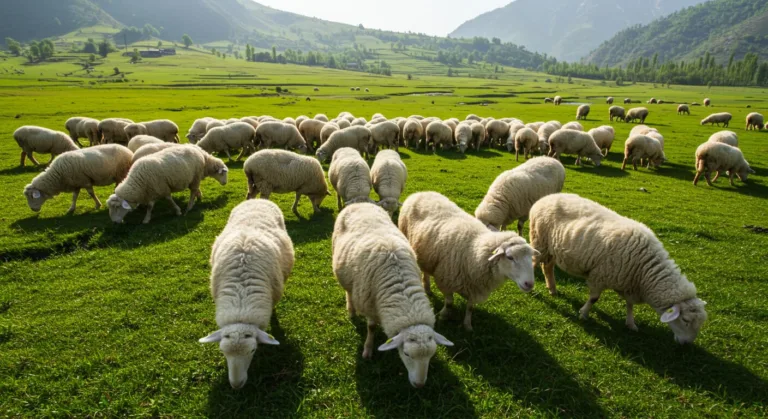
Pakistan has millions of sheep, and they’re especially common in areas like Balochistan and Punjab, where Multan is located. These animals are perfect for small farmers because they don’t need fancy equipment or huge fields to graze. Think of sheep as nature’s lawnmowers, happily munching on grass and turning it into products people need!
Did you know? Pakistan is one of the top countries in the world for raising sheep and goats, with over 109 million of these animals roaming the country
What Makes Sheep Prices Go Up or Down?
Ever wonder why the price of your favorite candy changes at the store? Sheep prices work in a similar way, going up or down based on a few key things. Here are the biggest factors that decide how much a sheep costs in Pakistan:
- Supply and Demand: If there are lots of sheep but not enough buyers, prices drop. But during festivals like Eid-ul-Adha, when everyone wants a sheep for Qurbani (a special sacrifice), prices can skyrocket. It’s like when everyone wants the newest toy at Christmas, and the price shoots up!
- Feed Costs: Sheep need food like grass, grains, or special feed. If food prices rise, farmers spend more to raise their sheep, so the sheep’s price goes up too.
- Health and Size: A healthy, chubby sheep is worth more than a skinny one. Farmers check things like weight and age to set a fair price. It’s like picking the best apple at the grocery store—bigger and shinier costs more!
- Location: Prices can vary depending on where you are. In Multan, a sheep might cost between 35,000 to 95,000 Pakistan Rupees (PKR), depending on the market and the sheep’s quality.
Fun Fact: During Eid-ul-Adha, Pakistanis spend over 425 billion PKR on animals like sheep for the festival. That’s like buying millions of video games in just a few days
How Multan Farms Helps Farmers and Buyers
Multan Farms, found at Multanfarms.com, is like a guidebook for anyone interested in sheep farming in Pakistan. They share tips on how to start a sheep farm and make it successful. Imagine it as a cheat code for farmers, helping them raise healthy sheep and sell them at good prices.
The website explains that starting a sheep farm in Pakistan doesn’t need a ton of money—about 2 million PKR can get you going. Farmers in Multan can raise breeds like Balochi or Harnai, which are perfect for the area’s climate. These sheep are raised for meat, wool, or both, and Multan Farms helps farmers figure out how to care for them and sell them at the right price. It’s like having a coach who helps you win at your favorite sport!
Did you know? Balochi sheep have fat tails, which store energy like a camel’s hump, helping them survive in tough conditions
Sheep Breeds and Their Prices
Not all sheep are the same, just like how every dog breed looks and acts differently. In Pakistan, different sheep breeds have different prices based on what they’re used for. Here’s a quick look at some popular breeds you might find in Multan:
- Balochi Sheep: These are big, with white wool and dark heads. They’re great for meat and milk, and their wool is used for blankets. They weigh about 35-40 kg and can cost around 50,000 PKR or more.
- Harnai Sheep: These medium-sized sheep are raised for both meat and wool. They’re found near Multan and might cost between 35,000 and 70,000 PKR, depending on their size.
- Kajli Sheep: Known for their tasty meat, these are popular during festivals. Their prices can jump to 80,000 PKR or higher during Eid!
Think of choosing a sheep like picking a character in a video game. Each one has special skills (meat, wool, or milk), and the “stronger” the sheep, the higher the price!
How Farmers Raise Sheep in Multan
Raising sheep is a bit like taking care of a pet, but on a bigger scale. Farmers in Multan start with young lambs, usually 6-8 months old, because they grow fast and gain weight easily. They feed them grass, grains, and sometimes special feed to make them healthy and plump. It’s like giving your body the right fuel to run faster or jump higher!
Multan Farms suggests keeping about 315-450 sheep on a farm to make it manageable. Farmers fatten up the lambs for about 120 days before selling them. This is called fattening, and it’s like helping the sheep “bulk up” for a big game. A well-fed sheep can fetch a higher price, sometimes up to 95,000 PKR in Multan’s markets
Fun Analogy: Raising sheep is like growing a garden. You plant the seeds (buy young lambs), water and care for them (feed and protect them), and then harvest the reward (sell them for a profit)!
Challenges That Affect Sheep Prices
Farming sheep isn’t always easy. Imagine trying to keep your homework perfect while it’s raining outside—that’s what farmers face with challenges like:
- Weather: Pakistan’s hot summers and cold winters can make it tough for sheep to stay healthy. Farmers need to protect them, which costs money.
- Diseases: Sheep can get sick, just like people catch colds. Diseases like brucellosis can hurt the flock and lower prices if buyers are worried.
- Market Changes: Prices can drop if too many people sell sheep at once, or rise if there’s a big demand, like during Eid.
Multan Farms helps farmers tackle these problems by sharing advice on keeping sheep healthy and finding the best markets to sell them. It’s like having a map to avoid obstacles in a game!
Why Should You Care About Sheep Prices?
You might be thinking, “Why do sheep prices matter to me?” Well, they’re a big part of life in places like Multan. When sheep prices are good, farmers make more money, which helps their families buy things like clothes, food, or even books for school. It’s like how your parents’ job helps pay for your video games or snacks.
Plus, sheep are part of Pakistan’s culture, especially during festivals like Eid-ul-Adha. Understanding sheep prices helps you see how farmers work hard to keep traditions alive. And who knows? Maybe one day you’ll visit a farm in Multan and see these fluffy animals up close!
Did you know? Sheep wool from Pakistan is used to make warm blankets and carpets that people buy all over the world
Wrapping It Up
Sheep prices in Pakistan are more than just numbers—they tell a story about farmers, culture, and the economy. In Multan, places like Multanfarms.com help farmers raise sheep like Balochi and Harnai, turning them into meat, wool, and milk that people need. Prices change based on things like demand, feed costs, and even the weather, but farmers keep working hard to make a living.
Next time you see a sheep, think about the effort it takes to raise it and how it connects to life in Pakistan. What do you think it would be like to be a sheep farmer for a day? Maybe you’d love the challenge of caring for a flock and watching them grow!