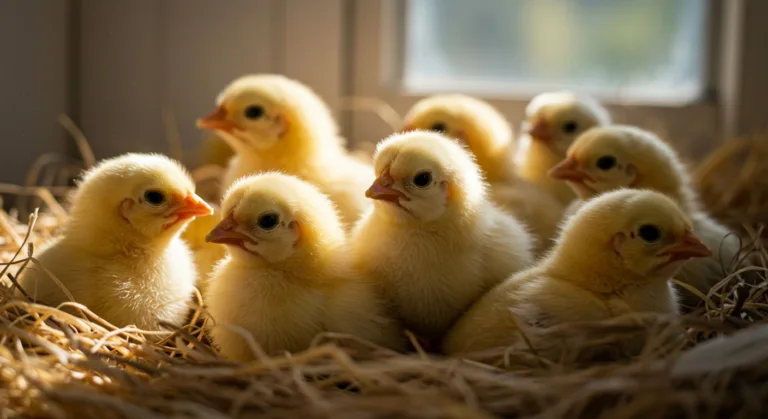
Picture this: you’re walking through a farm and you see hundreds of tiny, fluffy yellow chicks peeping around in boxes. They look super cute and innocent, right? But here’s something that might blow your mind, each one of those adorable little creatures could be worth anywhere from 80 to 150 Pakistani rupees! That’s like buying a small snack at school, but these chicks aren’t just cute pets, they’re actually tiny goldmines on legs.
Welcome to the fascinating world of white layer chicks in Pakistan! These aren’t your ordinary backyard chickens. These special birds are like the superheroes of the chicken world, bred specifically to become egg-laying machines. Understanding their prices isn’t just about numbers, it’s about discovering how a simple chick can turn into a profitable business that feeds millions of people across the country.
What Makes White Layer Chicks So Special?
Have you ever wondered why some chickens lay eggs every single day while others barely lay one a week? The secret lies in their genetics! White layer chicks are specially bred birds that come from chicken varieties like White Leghorn, which are famous for being incredible egg producers.
Think of them like Formula 1 race cars, while regular chickens are like regular family cars. Both can get you from point A to point B, but one is built for high performance! White Leghorn chickens were actually introduced to Pakistan as part of breeding programs to develop birds that could survive harsh environmental conditions while being capable of producing lots of eggs.
These amazing birds can lay up to 300 eggs per year! That means almost one egg every single day for most of the year. Compare that to local desi chickens that might lay only 60-80 eggs annually, and you can see why farmers are willing to pay extra for these super-layers.
The “white” in white layer chicks refers to the color of their feathers when they grow up, and also often to the white eggs they produce. It’s like having a chicken that comes with a built-in uniform, they all look similar and produce consistent, high-quality eggs.
Breaking Down the Price Game
So, what exactly determines how much you’ll pay for a white layer chick in Pakistan? It’s not as simple as walking into a store and seeing a fixed price tag. The cost depends on several factors that work together like ingredients in a recipe.
Quality and genetics play a huge role in pricing. Companies like HB Chicks distribute high-quality ISA White chicks in Pakistan, and these premium genetics come with premium prices. It’s like buying a smartphone, you can get a basic model or pay more for the latest features!
Location matters too. Chicks in big cities like Lahore, Karachi, or Islamabad might cost more due to transportation and higher demand. Rural areas closer to breeding farms often have lower prices because there’s less travel involved for the chicks.
Season and demand create price fluctuations just like how ice cream costs more in summer! During peak farming seasons or when there’s high demand for eggs, chick prices tend to go up. During slower periods, you might find better deals.
Age and vaccination status also affect the price. Day-old chicks cost less than older, vaccinated ones that have a better survival rate. It’s like buying insurance, you pay a bit more upfront for peace of mind later.
The Real Numbers Behind the Fluff
Let’s talk actual prices! Based on current market conditions, white layer chicks in Pakistan typically cost between 80 to 150 rupees per chick. That might not sound like much, but when you’re buying hundreds or thousands for a farm, those numbers add up quickly!
According to recent market data, chicken prices have been fluctuating, with current retail prices for chicken meat at around Rs. 595 per kilogram, which gives you an idea of the overall poultry market dynamics.
Here’s a fun way to think about it: if you bought 100 white layer chicks at 100 rupees each, you’d spend 10,000 rupees. But if each of those chickens lays 250 eggs in a year, and each egg sells for 15 rupees, you’d make 375,000 rupees! That’s like turning your allowance into a treasure chest, but remember, you also have to feed and care for the chickens.
Different regions in Pakistan might have slightly different prices. Areas with better infrastructure and closer to major cities might see prices on the higher end, while rural farming communities might get better deals directly from hatcheries.
From Chick to Champion Egg Layer
The journey from a tiny chick to a productive layer is like watching a superhero origin story! When farmers buy these chicks, they’re not just buying a bird, they’re investing in a future egg production system.
These chicks need special care from day one, starting with proper temperature control in brooders at 95°F for the first week, then gradually reducing by 5°F each following week. It’s like raising a baby that needs constant attention and care!
The chicks eat specially formulated feed that helps them grow strong bones and develop their egg-laying organs. By the time they’re 18-20 weeks old, they start laying their first eggs. It’s like waiting for your favorite fruit tree to finally produce fruit after months of watering and care!
Professional farmers know that the initial investment in quality chicks pays off big time. A good white layer hen will produce eggs for about 72 weeks, which is almost a year and a half of steady income. That’s like having a job that pays you every single day!
Why This Matters to You and Pakistan
You might be wondering, “Why should I care about chicken prices when I’m not planning to become a farmer?” Well, the white layer chick industry affects everyone in Pakistan in ways you probably never thought about!
First, it directly impacts the price of eggs in your local market. When chick prices go up, farmers might produce fewer chickens, which means fewer eggs, which means higher egg prices at the store. It’s all connected like a giant puzzle!
Second, the poultry industry provides jobs for thousands of people across Pakistan. From the people who breed the chicks to the truck drivers who transport them, to the shop owners who sell eggs, this little yellow fluffball supports entire communities.
Third, eggs from these layer chickens are a major source of protein for millions of Pakistani families. They’re affordable, nutritious, and available almost everywhere. Understanding the economics behind them helps you appreciate that breakfast egg a bit more!
The Future of Fluffy Profits
The white layer chick industry in Pakistan is growing faster than you can say “peep!” Major companies are expanding their operations, with some facilities housing over 100,000 parent stock hens using modern cage systems. It’s like the chicken version of a high-tech factory!
As Pakistan’s population grows and more people move to cities, the demand for eggs keeps increasing. This means the white layer chick business isn’t just surviving, it’s thriving! Smart farmers who understand this market are building successful businesses one chick at a time.
Technology is also changing the game. Modern hatcheries use advanced equipment to ensure higher survival rates and better quality chicks. It’s like upgrading from a basic calculator to a smartphone, the results are dramatically better!
Who knows? Maybe understanding these fluffy economics today will inspire you to think about innovative ways to contribute to Pakistan’s food security tomorrow. After all, every successful business starts with understanding the basics, even if those basics happen to go “peep peep” and waddle around on tiny yellow feet!