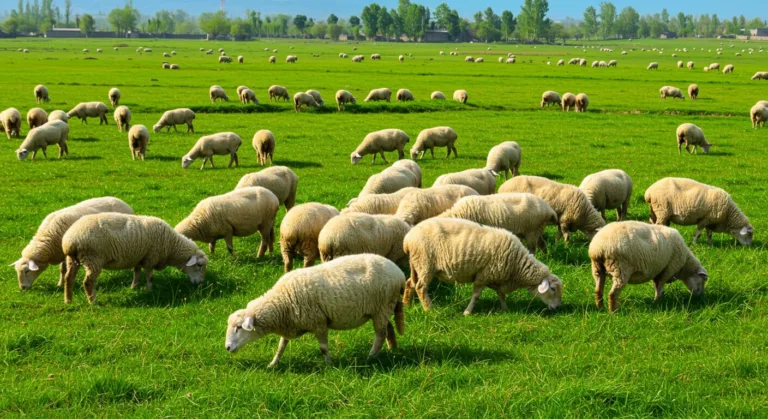
Have you ever watched a fluffy sheep munching grass in a field and wondered what that animal has to do with a faraway country like Pakistan? Imagine vast green pastures where families raise these gentle creatures not just for fun, but as a key part of their daily lives, from providing yummy meals to warm wool for cozy blankets. In Pakistan, sheep aren’t just farm animals; they’re like trusted sidekicks that help people thrive in tough lands. Today, we’re exploring this special bond between Pakistan and sheep, and you’ll see how it shapes everything from food on the table to family traditions.
This connection goes way back in time and touches every corner of the country, especially in sunny places like Multan where farms buzz with activity. You’ll learn about the different kinds of sheep that call Pakistan home, how farmers care for them, and why this teamwork boosts the whole economy. By the end, you might even picture yourself helping out on a sheep farm, feeling the soft wool or tasting fresh mutton stew. Let’s trot along and uncover the woolly wonders of Pakistan!
A Quick Peek at Sheep’s Big Role in Pakistan
Pakistan and sheep share a deep friendship that’s all about survival and joy in rural life. With over 30 million sheep roaming the country, they’re a huge part of farming, especially in dry and hilly areas where growing crops can be tricky. Think of sheep as nature’s multitaskers: they give meat for barbecues, milk for creamy yogurt, and wool for knitting scarves that keep you warm on chilly nights. In fact, the livestock world, including sheep, makes up more than half of Pakistan’s farm money and supports millions of families.
This bond started thousands of years ago, when early people in the region tamed sheep for food and tools. Today, it’s a lifeline for about 30 to 35 million workers who herd them across provinces like Punjab and Balochistan. Did you know Pakistan ranks as the 12th biggest sheep producer worldwide? That’s like being a star player on the global farm team! Farms in Multan, with their rich soils and sunny skies, play a starring role too, raising hardy breeds that thrive there.
Meet the Star Sheep Breeds of Pakistan
Pakistan boasts around 28 different sheep breeds, each suited to its own patch of land, like players on a soccer team with special skills. In the hot plains of Punjab, including Multan, you’ll find the Lohi sheep, famous for their curly horns and tasty meat. These medium-sized fluffballs weigh up to 45 kilograms and produce wool that’s perfect for weaving rugs, kind of like how your favorite blanket comes from a sheep’s cozy coat.
Head to the rugged hills of Balochistan, and meet the Balochi sheep, tough fat-tailed adventurers that store energy in their tails like a camel’s hump for lean times. They’re great for fattening up quickly, turning into juicy mutton for family feasts. Another Multan favorite is the Dera Din Panah, a black-coated breed that’s speedy growers, reaching 45 kilos for rams and loved for their bold color that stands out in the fields. Up north, the Kaghani sheep rule with their woolly warmth, ideal for colder spots.
These breeds aren’t just random; farmers pick them like choosing the best bike for a bumpy trail. For example, Lohi in Multan handle the heat well, while Balochi trek long distances without complaining. Did you know some breeds, like the Teddy, even have twins or triplets often, boosting farm families’ luck? It’s like winning the animal lottery!
How Farmers and Sheep Team Up Every Day
Raising sheep in Pakistan is like running a busy after-school club: it takes planning, care, and a lot of love to keep everyone happy. Farmers start young, buying healthy lambs around three months old, when they’re weaned and ready to nibble grass and fodder. In Multan, where the sun beats down, they provide shady spots and fresh water, watching for signs of sickness like a vigilant coach spotting a sprained ankle.
Daily life involves herding flocks to graze on open pastures, a tradition that’s as old as the hills. Sheep munch on wild grasses, helping control weeds while fertilizing the soil with their droppings, like natural lawn mowers with built-in compost. During Eid al-Adha, the big festival, families sacrifice sheep as a thank-you, sharing meat with neighbors, which builds community spirit. It’s not just work; it’s a cycle where sheep nourish people, and people protect sheep.
But it’s not always easy. Pests and dry spells challenge farmers, so they use simple tricks like mixing feeds for better growth. Imagine tagging each sheep like naming your video game characters, tracking their weight and health to pick the strongest ones for breeding. This smart teamwork ensures flocks stay strong and productive.
The Economic Magic: How Sheep Boost Pakistan’s Wallet
Ever thought about how a fluffy sheep could help pay for school books or new bikes? In Pakistan, sheep farming pumps money into the economy like a hidden treasure chest. The meat from sheep, called mutton, supplies 40% of the country’s red meat, feeding families and filling markets in cities like Lahore and Karachi. Wool gets spun into yarn for clothes and carpets, exported to places far away, adding extra cash.
In rural spots like Multan, sheep turn tough, dry lands into goldmines. Farmers sell lambs for quick profit, especially breeds like Bibrik or Harnai that fatten fast. This supports over 8 million rural households, giving jobs from herding to shearing. Studies show mutton output directly lifts farm GDP, like scoring points in a game that counts toward the team win. Plus, during festivals, demand skyrockets, turning ordinary farms into buzzing businesses.
Take a Multan farm: a herder starts with 300 sheep, sells half yearly, and uses profits for better feed or even a tractor. It’s a ripple effect, where one healthy flock helps the whole village thrive. Did you know sheep hides become leather for shoes, adding yet another layer to this economic blanket?
Sheep in Stories and Celebrations
Sheep aren’t just workers in Pakistan; they’re stars in tales and traditions that warm the heart. In folklore, they’re symbols of wealth and good fortune, like the loyal dog in your favorite adventure book. Families pass down stories of clever shepherds outsmarting wolves, teaching kids about bravery and care.
During cultural events, sheep take center stage. At weddings, wool-dyed fabrics make stunning outfits, and mutton curries steal the show on feast tables. In mountainous areas, herders sing songs about their flocks while trekking, turning chores into melodies. Even in art, paintings of grazing sheep capture Pakistan’s peaceful landscapes.
For kids in rural Pakistan, sheep are playmates too. They learn to shear wool young, fingers flying like in a craft project, creating yarn for homemade toys. This cultural thread weaves sheep into daily joy, reminding everyone that these animals are family members in fuzzy coats.
Tackling Challenges and Dreaming Big
No friendship is perfect, and Pakistan’s sheep bond faces bumps like droughts that shrink pastures or diseases that sneak in. In arid zones, overgrazing wears out land, like too many kids trampling a playground. But farmers fight back with better breeding, choosing strong sires to build tougher flocks.
Government help, like training in Multan farms, teaches modern ways such as vaccinations and balanced feeds. Future trends point to eco-friendly herding, mixing sheep with crops for healthier soil. Imagine solar-powered water pumps keeping flocks hydrated, or apps tracking health like a fitness tracker for animals.
These steps promise brighter days, with sheep helping Pakistan grow sustainably. It’s like upgrading your bike for longer rides: a little effort goes a long way.
Wrapping Up the Woolly Tale
From the sunny fields of Multan to the northern hills, Pakistan’s relationship with sheep is a powerhouse of economy, culture, and community. We’ve seen how breeds like Lohi and Balochi provide meat, wool, and milk, supporting millions while starring in festivals and stories. This teamwork turns challenges into triumphs, fueling rural dreams and global trade.
Why does it matter to you? Because understanding this bond shows how animals and people worldwide team up for a better life, full of flavor and warmth. Next time you spot a sheep, think of Pakistan’s vibrant farms. What’s one way you could support local farmers in your area, maybe by trying a new wool craft or recipe? Let’s celebrate these fuzzy friends together!