Imagine a giant bird taller than your dad, sprinting across a field like it’s in a race, but on just a tiny patch of ground. Sounds wild, right? That’s an ostrich, the world’s biggest bird, and farming them is like hitting the jackpot for smart, space-saving agriculture. Have you ever thought about how farms feed the world without using up every bit of land? Well, ostrich farming is a cool answer, especially in places like Pakistan where land can be tricky to come by.
At farms like Multan Farms in Pakistan, they’re raising these speedy birds and showing how you can get big results from small spaces. In this article, we’ll explore why ostrich farming requires far less acreage than raising cows or other animals. You’ll discover how it works, what makes it awesome for the planet, and why it’s popping up in sunny spots like Multan. Get ready to learn some fun facts that might make you see your next burger differently!
What Makes Ostriches Such Space-Savers?
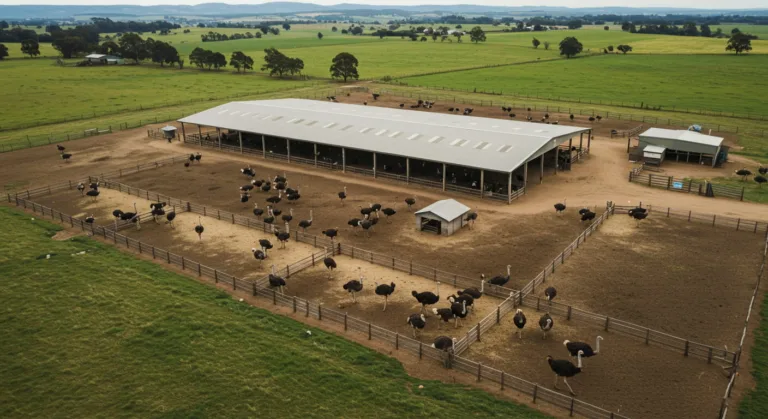
Ostriches are like the superheroes of the farm world when it comes to using land wisely. To start a basic ostrich farm, you only need about one acre for a pair of breeding birds. That’s like the size of a football field, but way smaller than what cows demand. Cattle ranching? It takes at least two acres per cow, and since you need a whole herd to get going, you’re talking dozens of acres quick. Picture this: On 100 acres, you could raise 1,500 ostriches, but only about 500 cows. It’s like fitting a huge party in your living room instead of renting a stadium!
This low-land need comes from how ostriches live. They’re tough runners who don’t need massive pastures to graze all day. They munch on simple feeds like grains and veggies, turning them into meat super efficiently. At Multan Farms, they start with just 45 birds on a small setup, proving you don’t need a giant spread to make it work. Why does this matter? Because in crowded places, it means more food from less dirt.
Did You Know? Ostriches can run up to 45 miles per hour, so they stay fit on less space, kind of like how you don’t need a huge gym to jog around the block.
How Does Ostrich Farming Stack Up Against Cow Ranching?
Let’s break it down like a game of tug-of-war between ostriches and cows. Ostrich farming wins big on space because one bird gives you as much meat as several cows, but uses way less ground. Experts say ostriches need just 2% of the land that cattle do to produce the same pound of protein. It’s like comparing a compact car to a monster truck, both get you places, but one parks easier!
Cows roam and eat grass for hours, which means huge fields to avoid overgrazing. Ostriches, on the other hand, are happy with fenced runs where they can dash around without wrecking the soil. Plus, they breed faster, popping out chicks quicker than calves arrive, so your farm grows without gobbling more land. At places like Multan Farms, this setup lets them breed and sell birds without sprawling across the countryside.
Think of it this way: If farming cows is like building a massive Lego castle that takes forever and tons of bricks, ostrich farming is snapping together a cool fort with half the pieces and twice the fun.
Why Is Ostrich Farming a Win for the Planet?
Ever worry about running out of water or chopping down too many trees for farms? Ostrich farming is like a green superhero cape for the Earth. These birds sip about one-third the water cows need to make the same meat, which is huge in dry spots like Pakistan. And since they pack more birds onto less land, there’s no need to clear forests or dry up rivers for extra space.
In Pakistan, where water can be scarce, farms like Multan Farms use this smart method to grow ostriches alongside crops like mangoes and wheat. It’s sustainable, meaning it keeps the soil healthy and the air clean for years. Ostriches also produce less waste that pollutes, so your farm stays eco-friendly. Imagine if every burger came from a bird that high-fives the planet, instead of one that guzzles resources.
Did You Know? Ostrich farms can even help fight climate change by needing up to 1/50th the grazing space of cattle, leaving room for trees to soak up carbon.
Getting Started: What Does an Ostrich Farm Look Like?
Ready to picture your own ostrich adventure? Starting one is simpler than you think, especially with less land in the mix. First, grab that one to three acres and fence it tall, about six feet high, because these birds are escape artists. Add a basic shelter for shade and rain, and you’re set, no fancy barns needed like for cows.
At Multan Farms in Pakistan, they import healthy chicks from places like Australia and raise them with local feeds to keep costs low. Birds hit breeding age in two to four years, laying eggs that hatch into fluffy chicks faster than cow pregnancies drag on. It’s like starting a band: Cows need a full orchestra setup on a big stage, but ostriches jam in a garage with just a few members.
Here’s a quick list of startup basics for ostrich farming:
- Land: 1-3 acres for a small group.
- Birds: Start with 2 pairs (about $5,000 total).
- Feed and Water: Simple daily scoops, way less than cow hay bales.
- Fence and Shelter: Tough barriers to keep the speed demons in.
This low-key vibe makes it perfect for beginners or folks with small plots.
Cool Products from These Giant Birds
Ostriches aren’t just about legs for racing, they’re like walking treasure chests! One bird gives you lean, red meat that tastes like steak but with less fat, great for healthy eats. Then there’s the hide for super-strong leather bags, fluffy feathers for fancy hats, and even oil from the fat for lotions. Eggs? They’re huge, like three-dozen chicken eggs in one, perfect for omelets or crafts.
In Pakistan, Multan Farms sells meat to restaurants in cities like Lahore and Multan, plus exports leather worldwide. It’s like getting multiple gifts from one friend at your birthday. Compare that to cows, which mostly give milk or beef, ostriches multiply the perks without multiplying the land use. Who knew a bird could be such a multitasker?
Did You Know? Ostrich meat has more iron than beef and can lower cholesterol, making it a smart pick for staying strong like your favorite athlete.
Ostriches Taking Off in Pakistan
Pakistan is waking up to ostrich magic, and it’s exciting! Farms have jumped from 70 nationwide in 2016 to over 200 in Punjab alone, with Multan right in the heart of it. The hot, dry climate there matches ostriches perfectly, since they chill from 2 to 50 degrees Celsius on tough land that cows might skip.
Multan Farms leads the pack, breeding birds and teaching others how to start small. It’s boosting jobs in rural spots, where less land means more families can join in. But challenges like getting chicks and building markets are real, yet experts say it’s the “bird for the next millennium” for food security. Think of it as Pakistan’s secret weapon: Turning scrubby fields into profit zones, one giant stride at a time.
Wrapping Up the Ostrich Adventure
Ostrich farming is a game-changer, needing far less acreage than cow ranching while delivering meat, leather, and more with a tiny footprint. From efficient breeding on one acre to eco-wins like slashing water use, it’s smart farming at its best. Places like Multan Farms in Pakistan show how this fits real life, blending with crops and creating jobs without sprawling everywhere.
So why care? Because as our world gets cozier, we need ways to feed everyone without harming the planet. Next time you spot a big bird at the zoo, remember: Ostriches could be the key to greener farms everywhere. What if you convinced your family to try ostrich meat, or even dreamed up your own mini-farm? How would you make space work for you?