Have you ever gone to the store with your parent to buy eggs and heard them say, “Wow, eggs are more expensive this week!”? If you live in Pakistan, you’ve probably noticed that the price of desi eggs seems to bounce up and down like a basketball. One week they might cost one amount, and the next week, they’re a bit different. But why does this happen? What makes something as simple as an egg change in price so often?
Today, we’re going to crack open this mystery (pun intended!) and explore what affects the price of desi eggs in Pakistan. You’ll learn about supply and demand, seasons, chicken health, and even how global events can make your breakfast cost more or less. By the end of this article, you’ll understand the fascinating journey an egg takes from a farm to your kitchen table, and why that journey affects what your family pays for it.
Understanding egg prices isn’t just about numbers, it’s about seeing how our world is connected in ways we don’t usually notice. So let’s get started!
What Makes Desi Eggs Special?
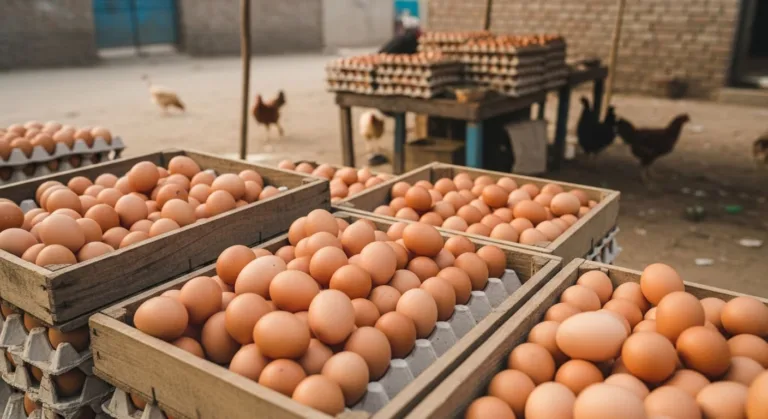
Before we dive into prices, let’s talk about what makes desi eggs different from regular eggs. The word “desi” means local or traditional in Urdu, and desi eggs come from desi chickens. These aren’t the white chickens you might see in big commercial farms. Desi chickens are the traditional breeds that have been raised in Pakistan for generations.
These chickens usually roam around freely, pecking at the ground and eating a more natural diet. Because of this, desi eggs often have darker yellow yolks and are believed to be more nutritious than eggs from farm-raised chickens. Many people think they taste better too! This special quality is one reason why desi eggs often cost more than regular eggs, but their price can still change from day to day.
The Dance of Supply and Demand
Here’s where things get interesting. The price of desi eggs follows something called the law of supply and demand. Don’t worry, this isn’t as complicated as it sounds! Think of it like this: imagine you’re selling handmade friendship bracelets at school. If you only made five bracelets but twenty kids want to buy them, you could probably charge more because everyone wants them. But if you made fifty bracelets and only five kids want them, you’d probably have to lower your price to sell them all.
The same thing happens with desi eggs. When there are lots of eggs available (high supply) but not as many people buying them (low demand), prices go down. But when everyone wants eggs and there aren’t enough to go around, prices go up. In Pakistan, this balance changes all the time based on different factors.
For example, during Ramadan or Eid, more families are cooking special meals and baking treats, so the demand for eggs shoots up. When this happens, even if farms are producing the same number of eggs, the price increases because more people are competing to buy them. It’s like when a new video game comes out and everyone rushes to the store, the popular items sometimes cost more!
Seasons and Weather: Nature’s Price Tag
You might not think about it, but the weather and seasons play a huge role in egg prices. Chickens are living creatures, and just like you might feel lazy on a super hot day, chickens also get affected by extreme temperatures. When it’s really hot in summer, desi chickens don’t lay as many eggs because they’re uncomfortable and stressed. Less eggs means higher prices.
During cooler months, chickens tend to be happier and lay more eggs. When farms have more eggs to sell, the supply goes up and prices usually come down. It’s nature’s way of controlling the market! Additionally, extreme weather events like floods or droughts can damage farms, make it hard to transport eggs, or affect the crops that farmers use to feed their chickens. All of these things can push prices higher.
Here’s something interesting: chickens need about 14-16 hours of daylight to lay eggs regularly. In winter, when days are shorter, some chickens naturally slow down their egg production. This is why you might notice egg prices creeping up during certain times of the year, even without any major events happening!
The Cost of Keeping Chickens Happy and Healthy
Let’s think about what it takes to raise chickens and get those eggs to market. Farmers need to buy feed (chicken food), keep the chickens healthy with medicine when needed, maintain their coops, and pay workers to collect and pack the eggs. When any of these costs go up, the price of eggs usually goes up too.
For example, if the price of wheat or corn increases (these are main ingredients in chicken feed), farmers have to spend more money feeding their chickens. They can’t just take a loss, so they raise the price of eggs to cover their costs. It’s like if the price of art supplies doubled, you’d probably have to charge more for those friendship bracelets we talked about earlier!
Transportation is another big factor. Eggs need to be carefully transported from farms to markets and stores. When fuel prices increase in Pakistan, it costs more to run the trucks that deliver eggs. These extra costs get added to the final price you see at the store. So even though the eggs themselves haven’t changed, getting them to you has become more expensive.
What’s Happening Right Now with Egg Prices?
As of today, the price of one desi egg in Pakistan can vary depending on where you live. In big cities like Karachi, Lahore, or Islamabad, prices might be a bit different from smaller towns or rural areas. Generally, you can expect to pay anywhere from 25 to 40 rupees for a single desi egg, though this can change daily.
Why the range? Well, cities usually have higher prices because eggs have to travel farther and go through more sellers before reaching you. In places like Multan, where there are many farms (like Multan Farms), eggs might be a bit cheaper because they don’t have to travel as far. It’s the same reason why fruits and vegetables are often cheaper at a farmer’s market than at a big supermarket in the city.
Right now, several factors are affecting prices across Pakistan. The cost of chicken feed has been fluctuating, weather patterns have been unpredictable in some regions, and global economic conditions are making everything a bit more expensive. All of these things add up and affect what you pay for your breakfast!
How Global Events Affect Your Local Eggs
Here’s something that might surprise you: things happening on the other side of the world can actually change the price of eggs in your neighborhood! How is that possible? Well, Pakistan imports some of the ingredients used in chicken feed from other countries. If there’s a problem with crop production in those countries, or if international shipping becomes more expensive, it affects farmers in Pakistan.
Also, when the value of the Pakistani rupee changes compared to other currencies like the US dollar, it can make imported goods more expensive. Since some farming equipment and medicines for chickens are imported, this affects the overall cost of producing eggs. It’s like a domino effect, one thing tips over and causes the next thing to fall.
Even diseases in other countries can affect egg prices in Pakistan. If there’s a bird flu outbreak somewhere in the world, Pakistan might temporarily stop importing certain products to protect local chickens. This can cause shortages or make certain farming supplies more expensive, which eventually affects the price of eggs.
Being a Smart Egg Shopper
Now that you understand why prices change, here are some tips for your family. Buying eggs directly from farms or local markets often gives you better prices than big supermarkets. Farms like those in Multan often sell fresh desi eggs at more reasonable prices because there are fewer middlemen involved.
It’s also smart to pay attention to seasonal patterns. If you know prices tend to go up during certain times of the year, your family might want to buy a few extra when prices are lower (eggs can last several weeks in the refrigerator!). Also, building a relationship with a trusted local egg seller can sometimes lead to better deals and fresher eggs.
Another thing to consider is that while desi eggs are more expensive than regular eggs, many people think they’re worth it for the taste and nutrition. It’s about finding the balance between quality and price that works for your family’s budget.
Wrapping It All Up
So, why does the price of a desi egg keep changing in Pakistan? As you’ve learned, it’s not just one thing, it’s a whole web of connected factors! From the weather affecting how many eggs chickens lay, to global events influencing feed costs, to simple supply and demand in your local market, all these pieces work together to determine what you pay.
The next time you’re at the store and see the price of eggs, you’ll know there’s a fascinating story behind that number. You’ll understand that farmers are working hard to keep their chickens healthy, dealers are navigating transportation costs, and nature itself is playing a role in what ends up on your breakfast plate. Eggs might seem simple, but the economics behind them are pretty complex!
What do you think? Will you look at eggs differently now? Maybe you’ll even start noticing the price changes yourself and try to figure out what might be causing them. Understanding how prices work is a great skill that’ll help you make smarter decisions about all kinds of things in the future!