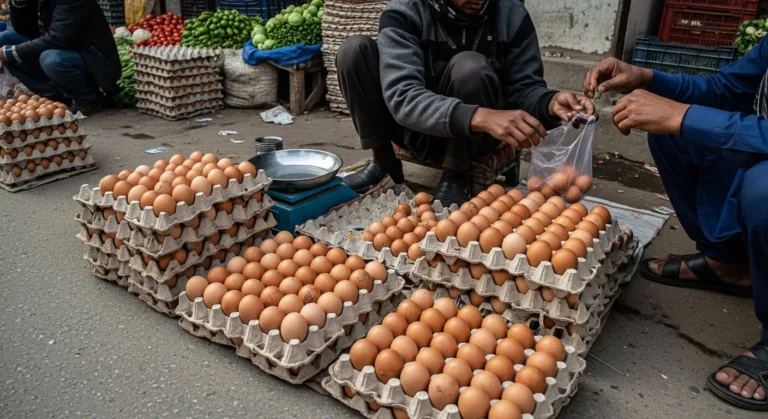
Have you ever been sent to the neighborhood shop to buy eggs and noticed the price is different from last week? Maybe your mom mentioned that eggs are more expensive this month, or you overheard adults talking about how desi egg prices keep going up and down. It’s kind of puzzling, right? After all, chickens lay eggs pretty much every day, so why doesn’t the price just stay the same?
Here’s the interesting thing: the price of one desi egg is influenced by way more factors than you might think! It’s not just about chickens and eggs. Weather, chicken feed costs, transportation, festivals, and even what’s happening in other countries can affect how much you pay for that single egg. Understanding these price changes is actually a great way to learn about economics, farming, and how the market works in real life.
In this article, we’re going to crack open the mystery (pun intended!) of desi egg pricing. You’ll learn what makes desi eggs different from regular eggs, why their prices fluctuate so much, what affects the cost, and how farmers and sellers decide on pricing. By the end, you’ll have a whole new appreciation for that simple egg sitting in your breakfast plate!
What Makes Desi Eggs Special Anyway?
Before we dive into prices, let’s talk about what “desi” actually means. In Urdu and Hindi, “desi” refers to something local or traditional. So desi eggs come from traditional, local chicken breeds rather than the commercial hybrid chickens you see in big poultry farms. These desi chickens are usually smaller, often free-range (meaning they roam around freely instead of being kept in cages), and they lay fewer eggs compared to commercial chickens.
Desi eggs look different too! They’re usually smaller than regular farm eggs, and their yolks tend to be darker and more orange-colored. Many people believe desi eggs taste better and are more nutritious because the chickens eat a natural diet of grains, insects, and whatever they find while roaming around. It’s like comparing homemade food to fast food, both fill you up, but one is generally considered healthier and more flavorful.
Because desi chickens lay fewer eggs (maybe 2-3 per week instead of 5-6), and because they’re raised in a more traditional way, desi eggs are usually more expensive than regular commercial eggs. Think of it like handmade crafts versus factory-made products. The handmade stuff takes more time and effort, so it costs more!
Breaking Down the Cost: What You’re Really Paying For
When you pay for one desi egg, you’re not just paying for the egg itself. You’re actually paying for a whole chain of costs that add up. Let’s break it down so it makes sense.
First, there’s the cost of raising the chicken. Desi chickens need food (grains, corn, wheat), water, shelter, and care. Even though they’re often free-range and find some of their own food, farmers still need to provide supplementary feed. If the price of wheat or corn goes up (which happens based on harvest conditions and market demand), the cost of raising chickens increases, and that gets passed on to egg prices.
Then there’s labor and time. Someone has to take care of these chickens every day, collect the eggs, clean them, and get them ready for sale. Unlike big automated farms where machines do a lot of the work, desi chicken farming is usually more hands-on. All that human effort has value!
Don’t forget about transportation and storage. Eggs need to get from the farm to the market or shop near you. That involves transportation costs (fuel isn’t cheap!), and eggs are fragile, so they need careful handling. Some eggs might break during transport, and those losses also factor into the final price.
Finally, there’s the seller’s margin. The shopkeeper or market vendor needs to make some profit too. They have their own costs like rent, electricity, and employees. All these layers add up to determine the final price you see on that price tag!
The Rollercoaster Ride: Why Prices Go Up and Down
Now here’s where it gets really interesting! Desi egg prices don’t stay fixed like, say, the price of a pencil. They change based on something called supply and demand. This is a super important concept in economics, so let’s understand it with a simple example.
Imagine there’s a new video game everyone wants, but the company only made a limited number of copies. What happens? The price goes up because lots of people want it (high demand) but there aren’t enough copies (low supply). The same thing happens with eggs! During winter months, chickens lay fewer eggs because of the cold weather and shorter days. When there are fewer eggs available but the same number of people want to buy them, prices naturally increase.
Seasonal changes play a huge role. Summer heat can stress chickens, making them lay fewer eggs. Monsoon season might make it harder to transport eggs or affect chicken health. On the flip side, when the weather is perfect and chickens are happy and healthy, they produce more eggs, and prices might drop a bit.
Festival seasons also impact prices big time! Before Eid, Ramadan, or other major celebrations, demand for eggs shoots up because people are cooking more and preparing special dishes. When everyone wants eggs at the same time, sellers can charge more. It’s basic supply and demand in action!
Feed prices are another major factor. If there’s a drought and wheat crops fail, wheat becomes expensive. Since wheat is a major component of chicken feed, the cost of raising chickens goes up, and egg prices follow. It’s all connected like a chain reaction!
Regional Differences: Why Location Matters
Here’s something you might not have thought about: the price of one desi egg can be different depending on where you live in Pakistan! If you’re in a big city like Lahore, Karachi, or Islamabad, you might pay more than someone living in a rural village. Why? Let’s figure it out.
In cities, there are more middlemen involved. The egg might go from the farmer to a wholesaler, then to a retailer, and finally to you. Each person in this chain adds a little bit to the price. In villages, you might buy directly from the farmer or someone who knows the farmer, cutting out those extra costs.
Transportation costs vary too. If eggs need to travel a long distance to reach city markets, the transportation cost (fuel, vehicle maintenance, driver wages) gets added to the price. In rural areas where farms are nearby, these costs are much lower.
Cities also have higher operating costs for shops. Rent in urban areas is way more expensive than in villages. That shopkeeper paying high rent needs to sell eggs at a slightly higher price to cover their expenses. It’s not that they’re trying to cheat you, they’re just trying to keep their business running!
How Farmers Decide on Pricing
You might wonder, who actually decides what one desi egg should cost? The answer is more complicated than you’d think! Farmers don’t just wake up and randomly pick a price. They consider several things carefully.
First, they calculate their production costs. How much did they spend on feed, medicine, shelter, and labor? They need to charge enough to cover these costs, otherwise, they’d be losing money with every egg they sell. Imagine if you made friendship bracelets and sold them for less than the cost of the beads, you’d run out of money pretty quickly!
They also watch the market rate. If everyone else is selling desi eggs for Rs. 20, a farmer can’t suddenly charge Rs. 50 without a good reason (like their eggs being organic or extra fresh). They need to stay competitive while still making a profit. It’s a balancing act!
Quality plays a role too. Some farmers raise their chickens with premium organic feed, no antibiotics, and extra care. These eggs can command higher prices because they’re genuinely better quality. It’s like how a fresh mango from a good orchard costs more than a regular one from a street vendor.
Many farmers also form cooperatives or work with organizations like Multanfarms.com that help them get fair prices and connect directly with buyers. This cuts out some middlemen and can help both farmers earn more and customers pay reasonable prices.
The Bigger Picture: Economics in Your Kitchen
Understanding egg prices is actually a window into understanding how our economy works! Every time you buy something, there’s a whole story behind its price. The price of one desi egg teaches us about farming, market forces, transportation, and how different factors connect to affect our daily lives.
It also helps us appreciate the work that goes into producing our food. That simple egg represents the farmer waking up early to feed chickens, the care taken to raise healthy birds, the effort to collect and clean eggs, and the journey from farm to your kitchen. When prices go up, it’s often because one of these steps became more expensive or difficult.
Next time you eat an omelet or see eggs in the market, you’ll know there’s so much more to the story than just “an egg is an egg.” You’ll understand why prices change, what affects the cost, and how the whole system works together.
Why Should You Care About Egg Prices?
So why does all this matter to you? Well, understanding food prices helps you become a smarter consumer and a more informed citizen. When you know why prices fluctuate, you won’t be surprised when eggs cost more during winter or festival season. You’ll understand it’s not always about sellers being greedy, it’s often about genuine cost increases or supply shortages.
Plus, when you understand where your food comes from and what goes into producing it, you develop more respect for farmers and food producers. These hardworking people face challenges like unpredictable weather, rising costs, and market uncertainties, yet they keep working to provide nutritious food for everyone.
If you’re interested in supporting local farmers and getting quality desi eggs, looking for platforms like Multanfarms.com can help. These platforms often connect consumers directly with farmers, ensuring fair prices for both sides and transparency about where your food comes from.
The next time someone in your family mentions egg prices, you can jump into the conversation with actual knowledge! You might even impress them with facts about supply and demand, seasonal variations, and production costs. How cool is that?
So here’s a question to think about: knowing everything you now know about desi egg prices, do you think the current price is fair? Would you be willing to pay a bit more for eggs if you knew the chickens were treated well and the farmers got a fair deal? Understanding the story behind our food helps us make better, more thoughtful choices!