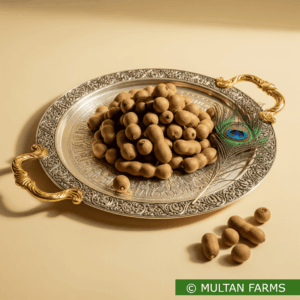
Have you ever tasted something so sour that your whole face scrunched up, but you couldn’t help going back for more? That’s the magic of dried imli, also known as tamarind! This dark brown, sticky fruit might look a bit strange at first, kind of like a lumpy brown pod, but it’s packed with flavor that’s been loved for thousands of years. From Pakistani kitchens to restaurants around the world, dried imli has become an essential ingredient that adds that perfect tangy punch to countless dishes.
Dried imli starts its journey as a fresh pod hanging from tall tamarind trees, but the real transformation happens when it’s dried and preserved. The process turns the fruit into a concentrated flavor bomb that can last for months in your pantry. It’s like the difference between a fresh grape and a raisin, except instead of getting sweeter, imli becomes more intensely sour and complex.
In this article, we’re going to explore everything about dried imli, from how it’s made to why it’s such a superstar in kitchens across Pakistan and beyond. You’ll discover why farmers in places like Multan treasure this ingredient and how something so sour can make food taste absolutely amazing. Get ready to learn about one of nature’s most interesting flavor powerhouses!
What Exactly Is Dried Imli and Where Does It Come From?
Dried imli comes from the tamarind tree, a massive tree that can grow up to 80 feet tall and live for over 200 years. Imagine a tree that was alive when your great-great-great-grandparents were kids! These trees produce long, bean-shaped pods that hang down in clusters, and inside each pod is the sticky, sour pulp that we call imli.
The fresh pods have a hard, brittle shell that’s kind of like nature’s packaging. When you crack open the shell, you find the brown pulp clinging to several hard seeds. The pulp is where all the flavor lives, and it has this amazing combination of sour, slightly sweet, and almost fruity taste. It’s not like anything else you’ve probably tried before.
When farmers harvest tamarind, they usually let the pods mature fully on the tree until they turn from green to brown. Then they’re picked, and the drying process begins. In places like Multan, where the sun is strong and the climate is dry, the pods might be dried naturally in the sun. This process removes moisture and concentrates all those intense flavors, making the imli last much longer without going bad. It’s similar to how people make sun-dried tomatoes, except imli gets more sour instead of sweeter.
How Do Farmers Turn Fresh Tamarind Into Dried Imli?
The process of creating dried imli is actually pretty fascinating and has been perfected over generations. First, farmers collect the ripe pods from the trees, which usually happens once or twice a year during harvest season. This timing is super important because pods picked too early won’t have developed their full flavor, while overripe pods might start to ferment.
Once collected, the pods are spread out in the sun on clean surfaces like large sheets or concrete platforms. The hot sun does most of the work, slowly drawing out the moisture over several days. During this time, farmers turn the pods regularly to ensure even drying, kind of like flipping cookies on a baking sheet so they don’t burn on one side. The shells become even more brittle, and the pulp inside shrinks and darkens.
After the pods are thoroughly dried, they’re often stored in their shells or the pulp is removed and pressed into blocks. Some farmers separate the pulp from the seeds and shells right away, creating pure tamarind pulp that’s easier to use in cooking. This pulp gets compressed into dense blocks or balls that look almost black and feel sticky to the touch. These blocks can last for months or even years when stored properly, making dried imli an incredibly practical ingredient for both home cooks and commercial food production.
Why Is Dried Imli So Important in Pakistani Cooking?
If you’ve ever eaten Pakistani or South Asian food, you’ve probably tasted imli without even realizing it! This ingredient is like a secret weapon in the kitchen, adding complexity and brightness to dishes that would otherwise taste flat. Think about how a squeeze of lemon can wake up a dish, imli does that times ten.
One of the most popular uses for dried imli is in chutneys and sauces. Imli chutney is that dark, tangy-sweet sauce you might see at restaurants or family gatherings, drizzled over samosas, pakoras, or chaat. The imli provides the sour backbone while jaggery or sugar balances it with sweetness, and spices like cumin and chili add warmth. It’s this perfect combination that makes you want to lick your plate clean.
Dried imli also stars in curries and stews, especially in dishes like imli wali machli (tamarind fish curry) or certain vegetable preparations. When you add imli to a curry, it doesn’t just make it sour, it adds depth and helps balance rich, oily, or spicy flavors. It’s like how salt doesn’t just make food salty but brings out other flavors too. The tartness cuts through heavy dishes and makes them more interesting and easier to eat.
Many traditional drinks also feature dried imli. Imli ka sharbat is a refreshing beverage made by soaking tamarind pulp in water, straining it, and mixing it with sugar and spices. On a scorching summer day in Multan, nothing beats a glass of cold imli sharbat! It’s tangy, sweet, and incredibly refreshing, kind of like lemonade’s more sophisticated cousin.
What Makes Dried Imli So Healthy?
Here’s something cool: dried imli isn’t just delicious, it’s actually packed with nutrients that are good for your body. This is one of those rare treats where taste and health benefits team up perfectly. Ancient medicine systems have used tamarind for thousands of years, and modern science is backing up many of those traditional uses.
Dried imli is loaded with antioxidants, which are compounds that help protect your cells from damage. Think of antioxidants like bodyguards for your cells, fighting off harmful things that could make you sick. Tamarind contains particularly high levels of certain antioxidants that support overall health and may help prevent various diseases.
The fruit is also surprisingly rich in vitamins and minerals. It contains vitamin C, which helps your immune system stay strong, and B vitamins that help your body turn food into energy. Imli also provides important minerals like potassium, magnesium, and iron. Iron is especially important because it helps your blood carry oxygen throughout your body, kind of like delivery trucks bringing packages to every house in a neighborhood.
Traditional medicine has long used imli as a natural digestive aid. The fruit contains natural acids and fiber that can help with digestion and keep things moving smoothly through your digestive system. Some people drink diluted tamarind water to help with stomach discomfort, though you should always check with a doctor before using food as medicine.
How Do You Actually Use Dried Imli in Your Kitchen?
If you’ve never cooked with dried imli before, don’t worry, it’s easier than you might think! The most common form you’ll find is blocks or compressed balls of tamarind pulp. To use it, you need to extract the flavor and get rid of the seeds and fiber.
The basic method is super simple. You break off a chunk of the dried tamarind (usually about the size of a lime or small lemon for a recipe serving four people) and soak it in warm water for 15-20 minutes. The warm water softens the pulp and starts dissolving all those concentrated flavors. Then you squish and mash the softened tamarind with your fingers or a spoon, mixing it thoroughly with the water.
Next comes the straining part, which is important because you want the smooth, flavorful liquid without any seeds or stringy fiber. Pour the mixture through a strainer, pressing down on the solids to extract as much liquid as possible. What you’re left with is tamarind concentrate, a thick, dark liquid that’s the essence of imli. This concentrate is what you’ll add to your recipes.
The amount you use depends on how tangy you want your dish. Start with less than you think you need because you can always add more, but you can’t take it out once it’s in there! It’s like adding hot sauce, better to start small and build up to your perfect level. Some cooks like to add a pinch of salt to their tamarind concentrate to balance the sourness even more.
Where Can You Find Quality Dried Imli?
Finding good quality dried imli is pretty straightforward if you know what to look for. In Pakistan, especially in agricultural regions like Multan, you can find fresh and dried tamarind at local markets and from farms that specialize in traditional crops. Places like Multanfarms.com focus on providing quality dried fruits and traditional ingredients to customers who appreciate authentic flavors.
When shopping for dried imli, there are a few signs of quality to watch for. Good tamarind should look dark brown to almost black, not grayish or moldy. It should feel slightly sticky but not wet or slimy. If you’re buying it in block form, the block should be firm but not rock-hard. Really old or poor-quality tamarind becomes too dry and loses much of its flavor.
The smell test is also helpful. Quality dried imli has a fruity, slightly wine-like aroma that’s pleasant even though it’s sour. If it smells musty, dusty, or off in any way, skip it and find a better source. Many people prefer buying from trusted local sources or established farms because they know the tamarind has been properly processed and stored.
Some stores also sell tamarind concentrate in jars, which is super convenient if you don’t want to deal with soaking and straining. While this can be handy, many cooks feel that starting from the dried form gives you more control over the intensity and freshness of flavor. It’s kind of like the difference between fresh-squeezed orange juice and juice from a carton, both work, but one might taste a bit better.
Wrapping It All Up
Dried imli is so much more than just a sour ingredient, it’s a flavor tradition that’s been passed down through countless generations in Pakistan and across South Asia. From the tamarind trees growing in sunny climates to the careful drying process and finally to your plate, this humble fruit plays a starring role in creating unforgettable flavors.
Whether it’s adding tang to your favorite chutney, balancing the richness of a curry, or refreshing you on a hot day as a cooling drink, dried imli proves that the best ingredients often come from nature’s simplest sources. The fact that it’s also packed with health benefits is just an added bonus that makes appreciating this ingredient even easier.
Next time you taste something tangy and delicious in Pakistani food, think about the dried imli that might be behind that amazing flavor. Maybe you’ll even feel inspired to grab some tamarind and experiment in your own kitchen. Who knows? You might discover your new favorite ingredient. What dish would you most want to try making with dried imli?